
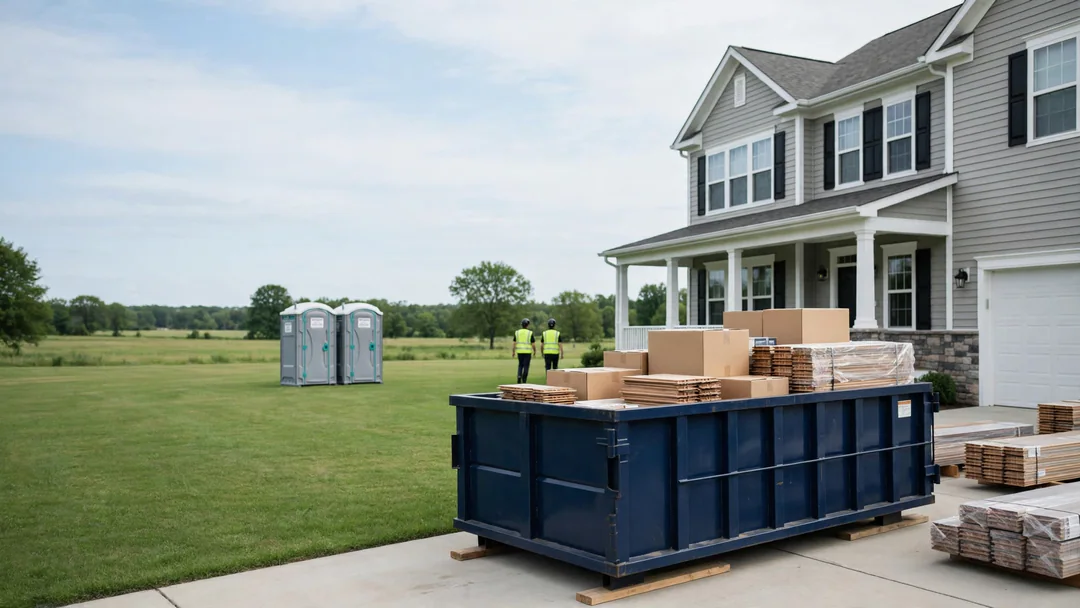
Oregon · West
Dumpster & Porta Potty Rental in Oregon
Plan a roll-off dumpster or portable toilet rental anywhere in Oregon, with state-specific guidance on permits, disposal and seasons.
One quick call to a real person. You approve the price before anything ships.
- All 50 states + DC
- Price confirmed before delivery
- Pricing explained up front
Can I rent a dumpster or porta potty in Oregon?
Yes. We coordinate roll-off dumpster and portable toilet rentals across Oregon through independent local providers. Pricing, sizes and delivery windows depend on the provider serving your ZIP code, and permits are handled at the city or county level when equipment goes on a public street.
Dumpster and portable toilet rental in Oregon
The Cascade Range splits Oregon into two very different rental markets. West of the mountains, the Willamette Valley holds most of the population, running from Portland through Salem to Eugene, with the Coast Range and the Pacific shoreline beyond. East of the Cascades, Central and Eastern Oregon are high desert, ranch country and fast-growing resort towns such as Bend.
Older housing is a defining feature of the valley cities. Portland, Salem and Eugene have many early twentieth-century bungalows, craftsman homes and mid-century ranches, so remodels, basement cleanouts and lead-safe renovation work are common reasons to rent a container.
Haul & Hygiene coordinates with independent haulers and sanitation providers across the state rather than operating its own trucks. Your provider confirms sizes, delivery access and schedules for your address. Browse city pages for Portland, Salem, Eugene and Bend.
Dumpster rental in Oregon: what to know
In the valley cities, 10- and 20-yard containers handle most kitchen and bath remodels, basement cleanouts and roof tear-offs. Bigger 30- and 40-yard units show up on new construction, commercial buildouts and whole-house cleanouts. Compare dimensions on our dumpster sizes page.
Many older Portland, Salem and Eugene neighborhoods have narrow lots, shared or single-car driveways and street trees, so a smaller container or street placement with a permit is sometimes the only workable option. Tell your provider about overhead wires, low branches and slopes before delivery.
During the wet season, ask about covering the container and plan more frequent swaps for heavy, waterlogged debris. Protect asphalt or pavers with boards under the rails; see how to prepare your driveway. Yard debris from pruning and storm cleanup is common enough that a dedicated yard waste dumpster can make sense.
Portable toilet rental in Oregon
West of the Cascades, rain and mud are the main planning concerns. Set units on level, firm ground or gravel so service trucks can reach them in wet months, and keep pathways clear for guests at events.
East of the Cascades, freezing nights are common for much of the year in Bend and the high desert, so ask about antifreeze or brine in holding tanks and adjusted service intervals. Summer events in dry areas may benefit from units placed in shade and serviced more often.
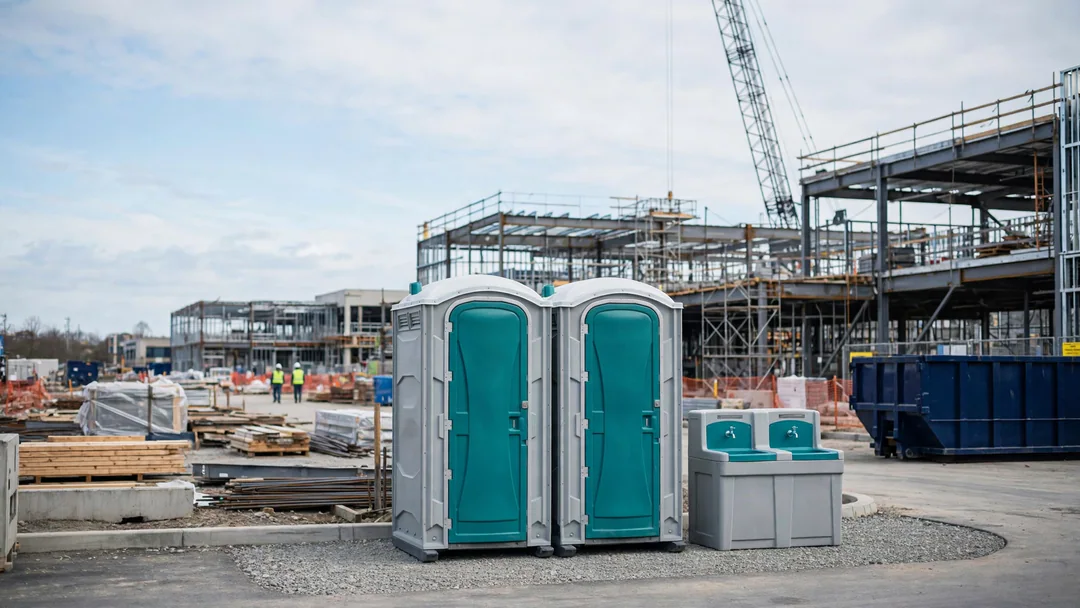
For construction, federal OSHA rules at 29 CFR 1926.51 set minimum toilet counts by crew size; see our OSHA jobsite toilet guide. Large Portland-area projects often use long-term rentals with weekly service. Include an ADA-accessible unit at public events, and consider restroom trailers for vineyard weddings.
Climate and seasonal considerations
Western Oregon has a marine climate: mild temperatures, long gray stretches of rain from roughly October through spring, and dry, warm summers. Rain matters for dumpster rentals because an uncovered container collects water, and soaked drywall, carpet and yard debris weigh much more than dry material. A tarp and a quick swap schedule help keep you under the hauler's limit; see dumpster weight limits.
Occasional ice storms and snow events can shut down valley roads for a few days, delaying deliveries and pickups. East of the Cascades, Bend and the high desert see colder winters, more snow and big swings between day and night temperatures, so portable toilets there may need winter treatment. Our winter portable toilet guide explains the options.
Late summer wildfire season can bring smoke and road closures, which sometimes affects outdoor events and remote job sites.
Construction activity and common projects
The Portland metro drives most of Oregon's construction volume. Washington County, home to Intel's large Hillsboro campuses and Nike's headquarters near Beaverton, sees ongoing industrial, office and housing work, while infill townhomes, accessory dwelling units and apartment projects fill in older Portland neighborhoods.
Salem and the mid-valley mix state government buildings, agriculture-related facilities and new subdivisions. Eugene and Springfield center on the University of Oregon, health care and residential remodeling. Bend and the wider Deschutes County area have grown quickly, with steady demand for custom homes, vacation rentals and commercial buildings.
Wildfire rebuilding has also become a recurring category in parts of the state. Larger jobs typically pair construction dumpsters with jobsite portable toilets, and remodels of older homes often call for renovation dumpsters.
- Remodels of older bungalows and craftsman homes
- Accessory dwelling unit and infill construction
- Basement and garage cleanouts
- Roof replacement after winter storms
- Wildfire debris cleanup and rebuilding
- High desert custom home construction
- Vineyard and farm events
- Tech campus and industrial construction
Disposal rules and restricted materials
The Oregon Department of Environmental Quality (DEQ) oversees solid waste permitting for landfills, transfer stations and material recovery facilities. In the Portland area, the regional government known as Metro plans the garbage and recycling system for the three-county region and operates public transfer stations, so tipping rules there can differ from the rest of the state.
Oregon has a strong recycling culture and an electronics recycling program, Oregon E-Cycles, that covers items such as computers, monitors and televisions, which should go to a collection site rather than a dumpster. Hazardous waste, paint, tires, batteries, propane tanks and appliances containing refrigerant are commonly restricted at disposal facilities.
Homes built before 1978 may contain lead paint, and older buildings may contain asbestos, which needs proper handling before demolition. Check what you cannot put in a dumpster and ask your hauler about debris recycling options.
Permits in Oregon
Oregon has no single statewide dumpster permit. A container placed on your own driveway or private lot usually does not need one, though local rules apply. If the container or a portable toilet needs to sit in a street, parking lane, sidewalk or other public right-of-way, cities typically require a street-use or right-of-way permit, and may ask for reflectors or barricades.
Portland, Salem, Eugene and Bend each handle these permits through their own city departments, and unincorporated areas fall to the county. Many newer subdivisions in Washington County, the mid-valley and Central Oregon have HOA rules limiting how long a container can stay visible. Some historic districts may add their own considerations.
Confirm with your city or county and HOA before delivery. Our dumpster permit guide and portable toilet permit guide cover the questions to ask.
Event sanitation planning
Oregon's outdoor event calendar is concentrated in the dry months from late spring through early fall. The Portland Rose Festival fills June with parades and waterfront activities, and the Oregon State Fair runs in Salem in late summer, ending around Labor Day.
Eugene is known as a track and field town, with meets at the University of Oregon's Hayward Field, and the Oregon Country Fair takes place in the woods west of Eugene each July. The Pendleton Round-Up rodeo is a major September event in Eastern Oregon. Bend hosts summer concerts, brewery events, trail races and river festivals.
Willamette Valley wineries are popular wedding venues, often on rural sites with no permanent restrooms. Plan with our porta potty quantity guide, add hand-washing stations near food, and work through the event sanitation checklist.
Cities in Oregon
Major metro areas: Portland–Vancouver–Hillsboro · Salem · Eugene–Springfield · Bend · Medford · Corvallis
Services in Oregon
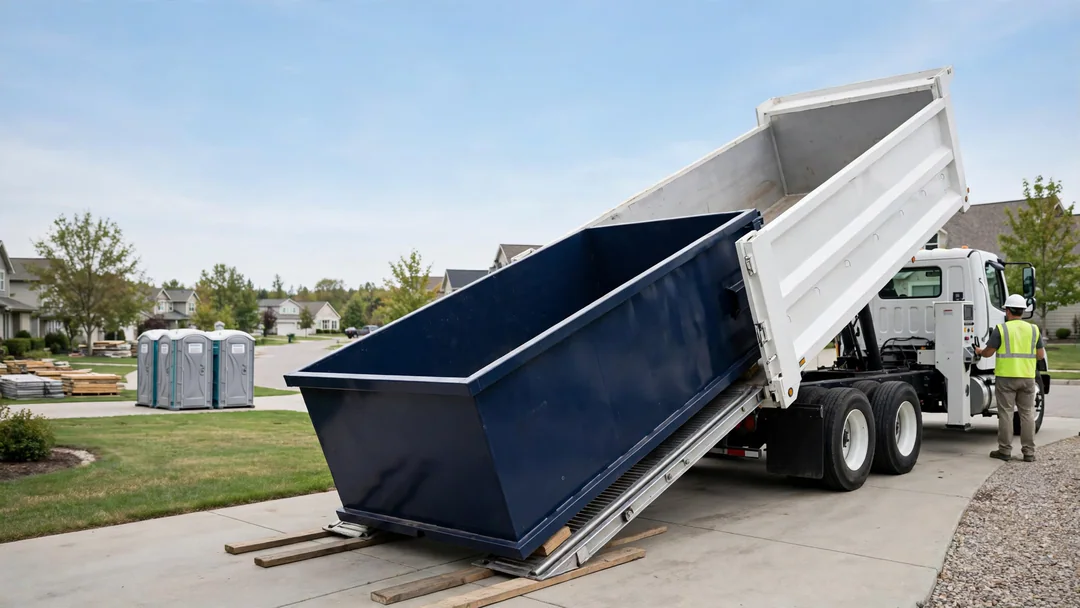
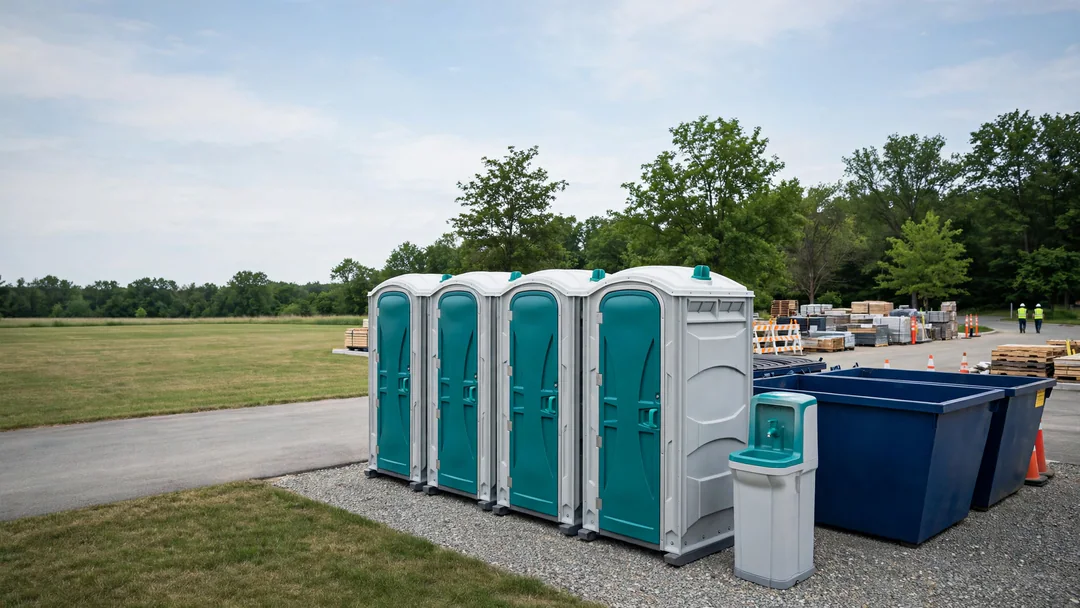
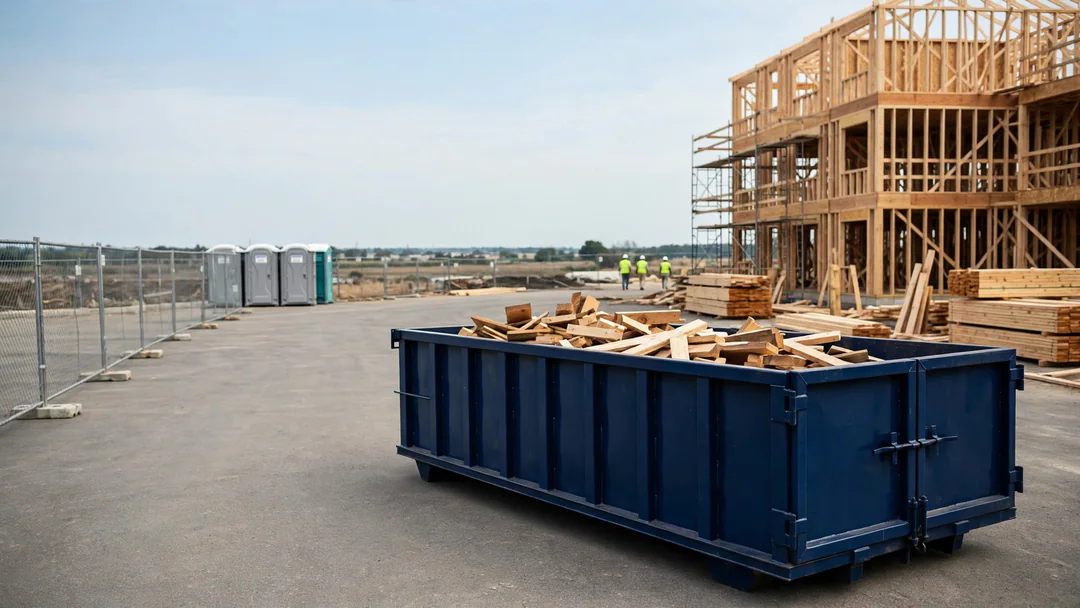
Oregon rental FAQs
Do I need a permit for a dumpster in Oregon?
Not at the state level. A container on your own driveway usually does not need a permit, but placing one on a street, sidewalk or parking lane typically requires a city right-of-way permit. Portland, Salem, Eugene and Bend each run their own process, so confirm locally and check HOA rules.
Does Oregon rain affect dumpster rentals?
Yes. An uncovered container collects water during the wet season, and soaked debris adds weight that can push you past the hauler's limit. Covering the container with a tarp when it is not in use and scheduling timely swaps helps.
Can I put old TVs or computers in a dumpster in Oregon?
Generally no. Oregon runs the Oregon E-Cycles program for electronics such as computers, monitors and televisions, and these items should go to a collection site. Ask your hauler about anything else you are unsure of before loading it.
Is dumpster rental different in Bend than in the Willamette Valley?
The process is the same, but conditions differ. Bend has a drier climate, colder winters and more snow, and many lots sit on rocky volcanic soil. Steep or gravel driveways may limit which containers a truck can place safely.
How early should I book portable toilets for a summer event in Oregon?
Summer is the peak season for festivals, fairs and vineyard weddings, so booking several weeks ahead is wise, especially for restroom trailers and ADA units. Your provider will confirm availability for your date and location.
Who handles garbage disposal rules in the Portland area?
The Oregon DEQ permits facilities statewide, while the regional government Metro plans the garbage and recycling system for the Portland three-county area and runs public transfer stations. Your hauler will know which facility your debris goes to.
Sources and official resources
Neighboring states
Ready to book a dumpster?
Planning a project in Oregon? Share your ZIP code and dates to check provider availability.