
Dumpster Services
Home Cleanout Dumpster Rental
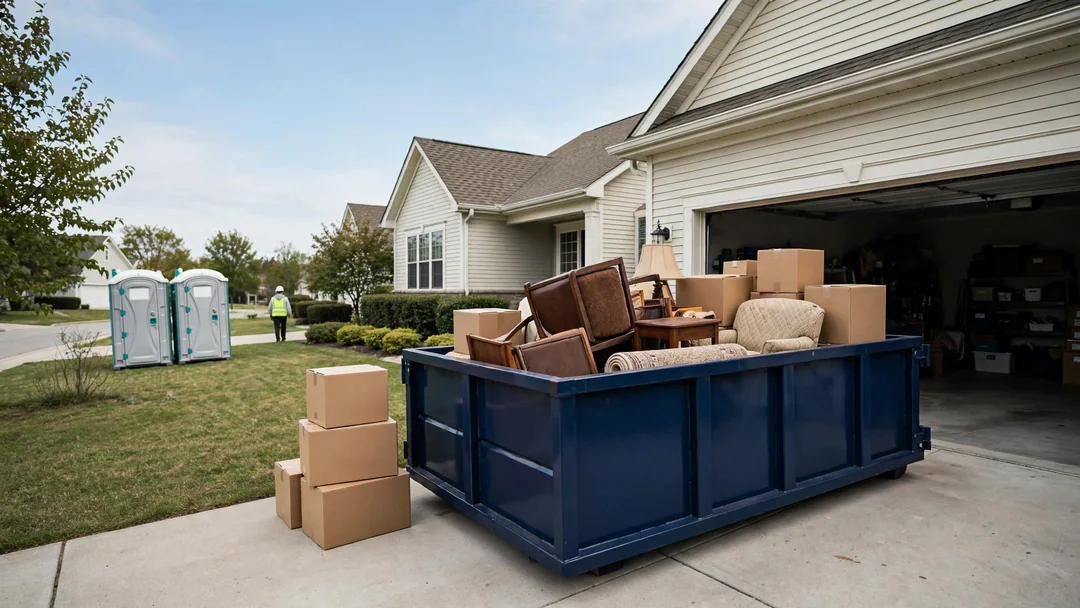
Decluttering a home is easier with one container on the driveway and a plan for every room. Here is how to organize the job.
One quick call to a real person. You approve the price before anything ships.
- All 50 states + DC
- Price confirmed before delivery
- Pricing explained up front
- 10–40 ydRoll-off sizes
- 50 + DCStates served
- 7–14 daysTypical rental period
- Same-dayDelivery when available
What size dumpster do I need for a house cleanout?
A single garage, attic, or basement often fits in a 10 or 15 yard container. A whole-house cleanout with furniture commonly needs a 20-yard, and very full homes may need a 30-yard or a swap. The right size depends on how much furniture and bulk is involved. Your provider can help estimate; sizes and specs vary by hauler.
Plan the cleanout room by room
Before the container arrives, walk through each space and estimate what is leaving. Note large furniture, appliances, and anything heavy. That list helps the provider recommend a size and helps you spot items that need special handling.
- Garage: old tools, broken equipment, lumber scraps, boxes, and shelving.
- Attic: stored boxes, holiday decor, old insulation if allowed, and furniture.
- Basement: water-damaged items, old furniture, carpet, and storage.
- Living areas: sofas, beds, dressers, rugs, and general clutter.
- Kitchen: small appliances, cookware, and pantry clutter. Refrigerators need special handling.
Set up a sorting system
A cleanout moves faster with clear categories. Label areas or bins for keep, donate, sell, recycle, and dumpster. Make decisions once and move items straight to their zone. Donation centers, consignment shops, and online marketplaces can take usable furniture and household goods. Metal, cardboard, and electronics often have separate recycling routes. Everything left goes into the roll-off.
Common cleanout situations
Home cleanouts happen for many reasons, and each has its own pace and sensitivities.
- Downsizing or preparing to sell. See moving dumpsters.
- Clearing a loved one's home. See estate cleanouts.
- Recovering a property after foreclosure. See foreclosure cleanouts.
- Hoarding situations, which may need extra time, protective gear, and professional help.
- Post-flood cleanup of wet carpet, drywall, and furniture.
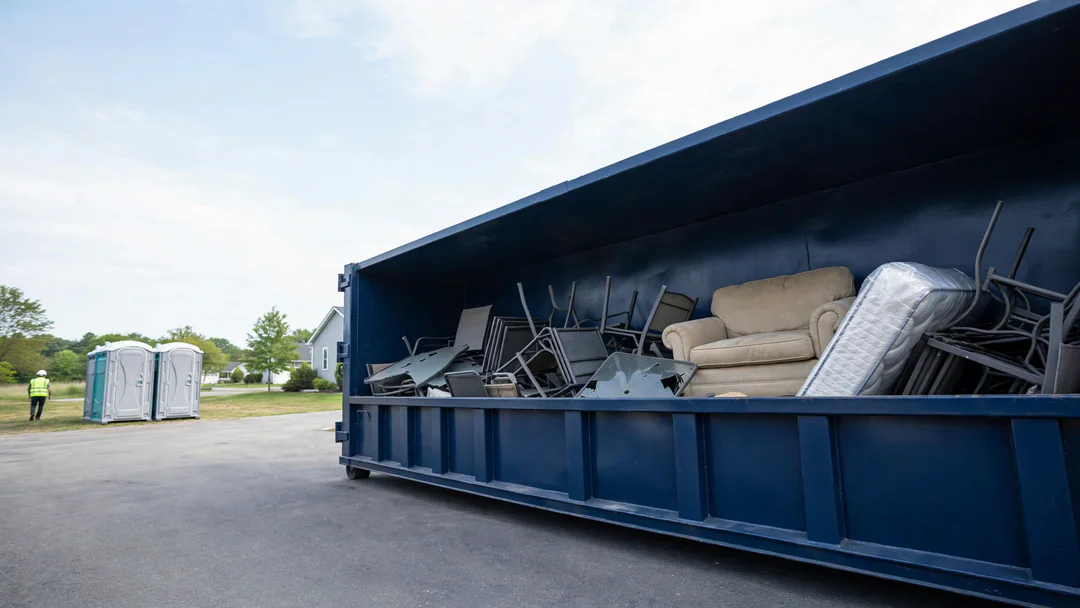
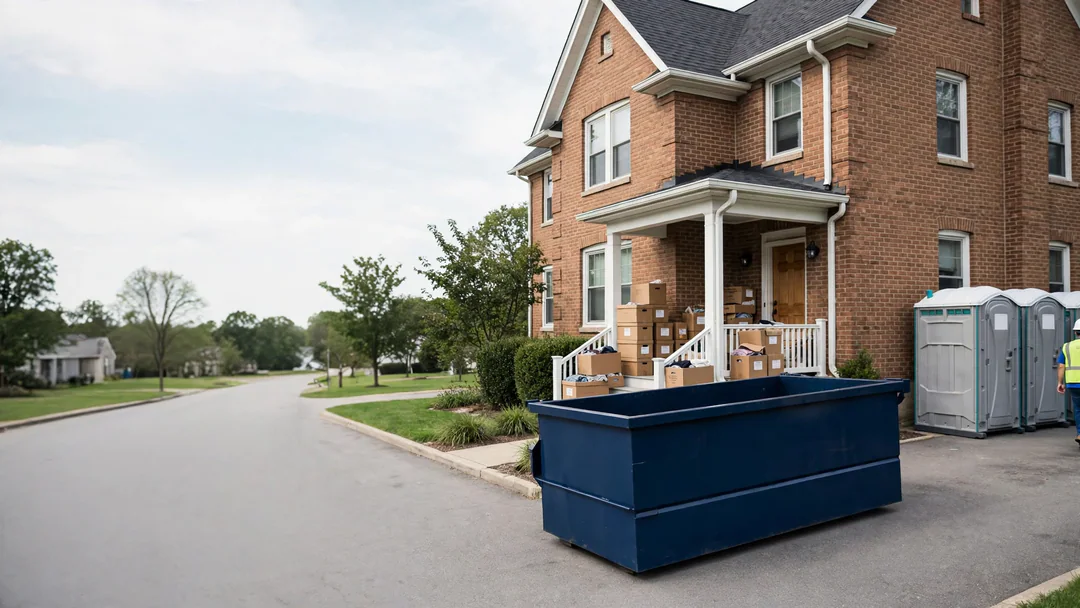
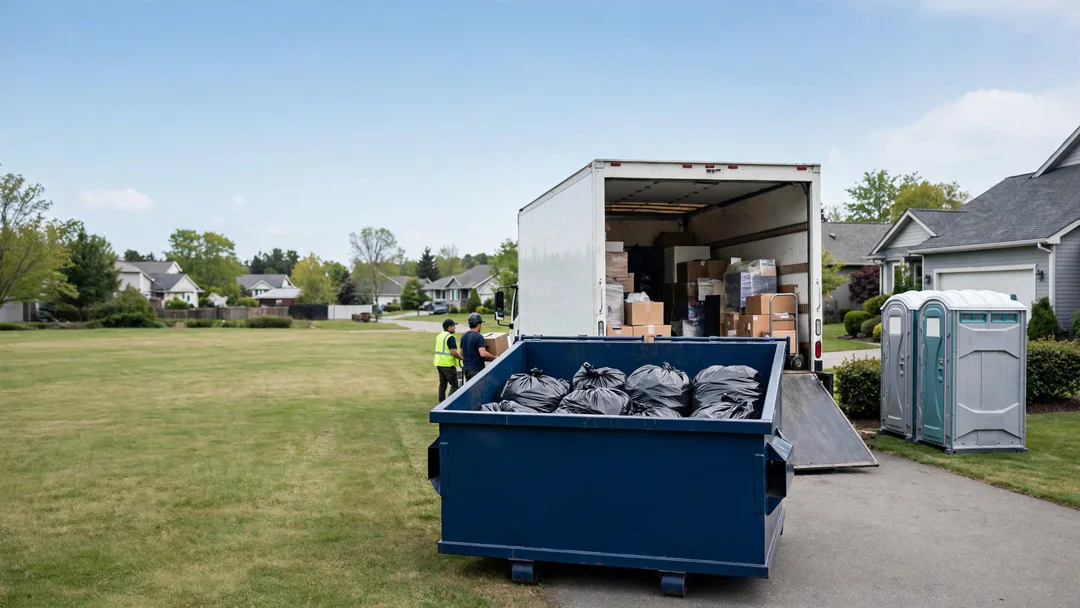
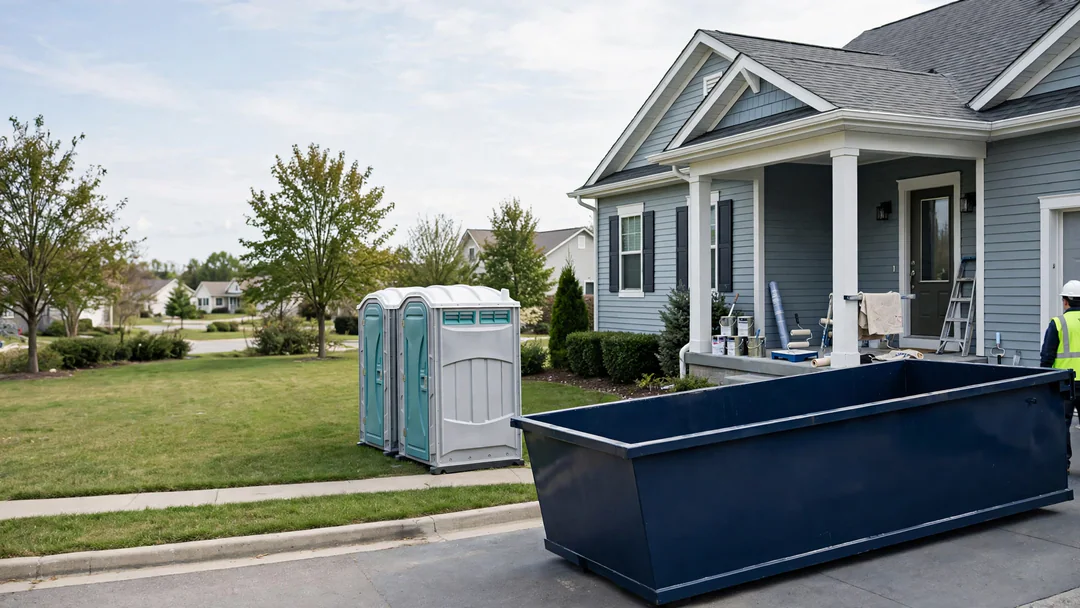
Before and after example
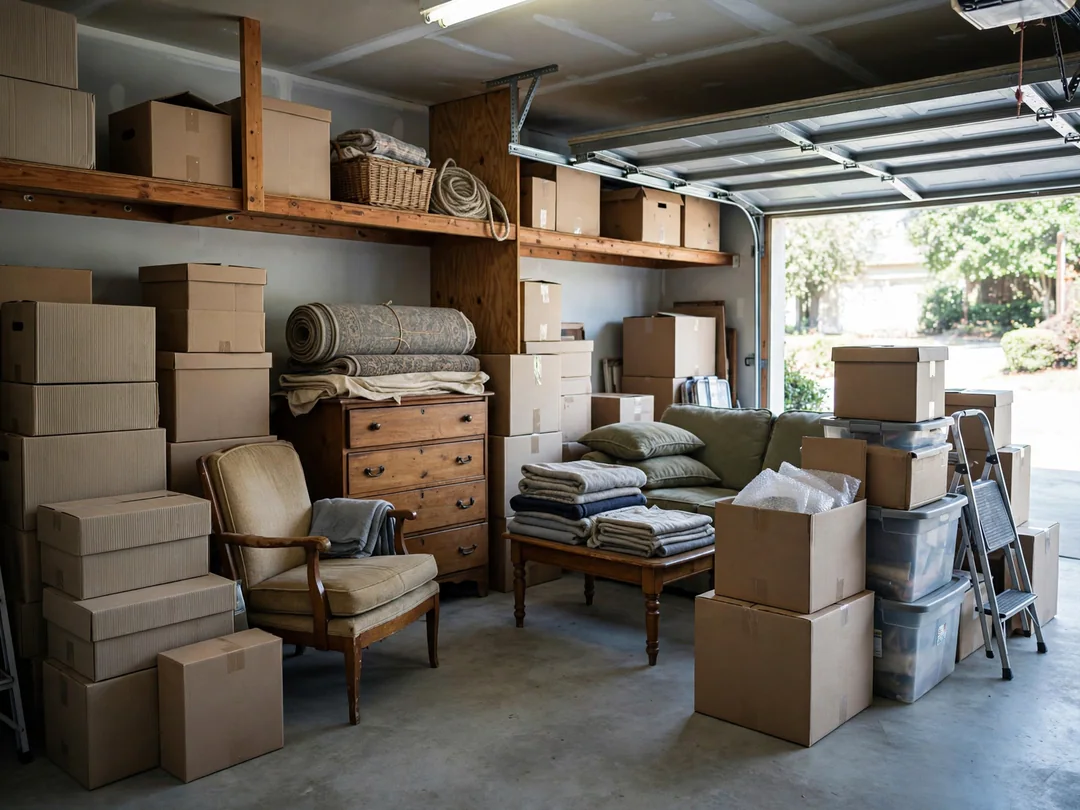
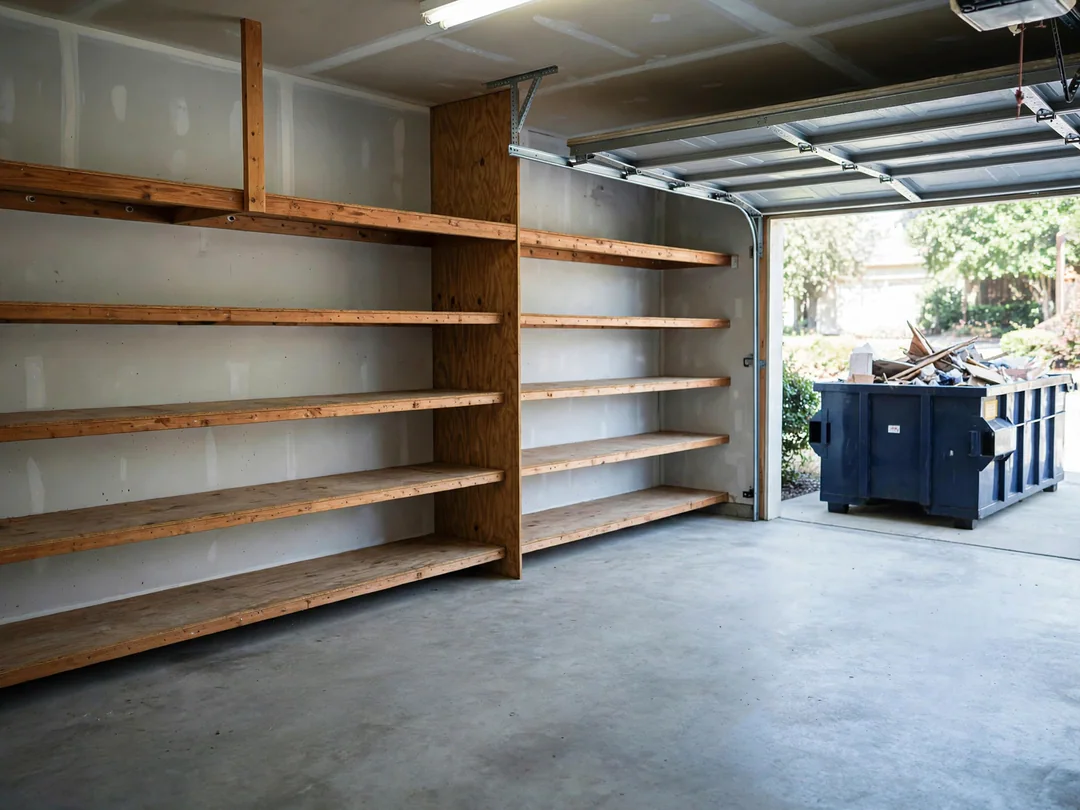
Illustrative example, not a specific customer project.
Loading for maximum space
Household goods are bulky and irregular. Load flat items like tabletops and mattresses first, then pack boxes and smaller items around them. Disassemble furniture where possible and bag loose clutter so it fills gaps. Walk heavy pieces in through the rear door if the container has one. Keep debris level with the top of the walls.
Items to keep out of a cleanout dumpster
Cleanouts often turn up paint cans, cleaning chemicals, pesticides, old batteries, propane cylinders, and electronics. These are commonly restricted. Many communities hold household hazardous waste collection days or run drop-off sites. Refrigerators and freezers require refrigerant recovery. Check what you cannot put in a dumpster before you start.
Safety during a cleanout
Wear gloves, sturdy shoes, and a dust mask when clearing attics and basements. Watch for sharp objects, mold, and pests in long-stored items. Older homes may have materials such as asbestos-containing insulation or flooring; do not disturb suspected materials and have them tested first. Take breaks and get help with heavy furniture.
Timing delivery around your cleanout
Schedule the container to arrive once sorting is mostly done, not before. Spend the first few days deciding what stays and what goes, arranging donation pickups, and listing items for sale. Then have the roll-off delivered when you are ready to load steadily. This keeps the rental window focused on actual loading and reduces the chance of paying for extra days. If you are working with a deadline, such as a closing date or lease end, count backward and leave a buffer of a day or two for pickup. Tell your provider your deadline when you book so they can plan the haul.
Frequently asked questions
How long does a whole-house cleanout take?
It depends on the home and how much sorting is needed. Many people finish within a typical rental window, while larger or emotional cleanouts may need an extension.
Can I put old insulation in a dumpster?
Fiberglass insulation is often accepted when bagged. Older loose-fill or vermiculite insulation may contain asbestos and should be tested before removal.
Should I use one large dumpster or two smaller ones?
One container is usually simpler if you have the space. Two smaller rentals over time can work for phased cleanouts or tight driveways.
Can a cleanout dumpster go on the street?
It may, but many cities require a permit for street placement. A driveway is usually easier. See our permit guide.
What if I find valuables while cleaning out?
Go slowly through drawers, books, and boxes before tossing them. Once items are in the container, retrieving them can be difficult and unsafe.
Related pages
Ready to book a dumpster?
Share your ZIP code and project details. We will route it to an available provider near you.