
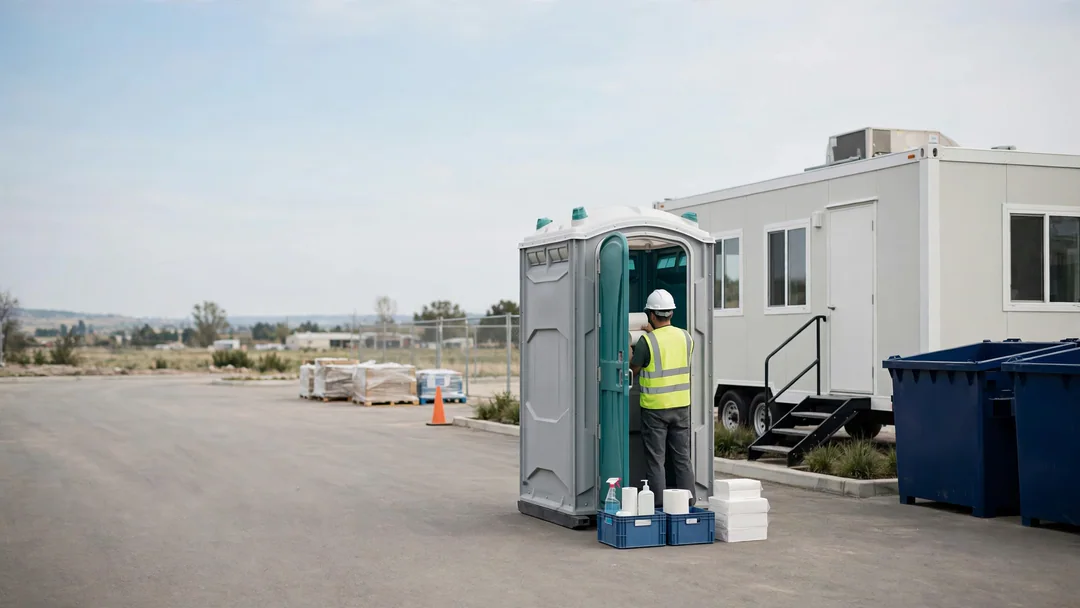
Ongoing Sanitation
Long-Term Porta Potty Rental
Some sites need restrooms for months or even years: long construction projects, parks without plumbing, farms, remote facilities and seasonal businesses. Long-term rentals pair units with a recurring service schedule.
One quick call to a real person. You approve the price before anything ships.
- All 50 states + DC
- Price confirmed before delivery
- Pricing explained up front
- 50 + DCStates served
- ADAAccessible units available
- WeeklyTypical servicing for job sites
- 1 day+Event to long-term rentals
How does a long-term porta potty rental work?
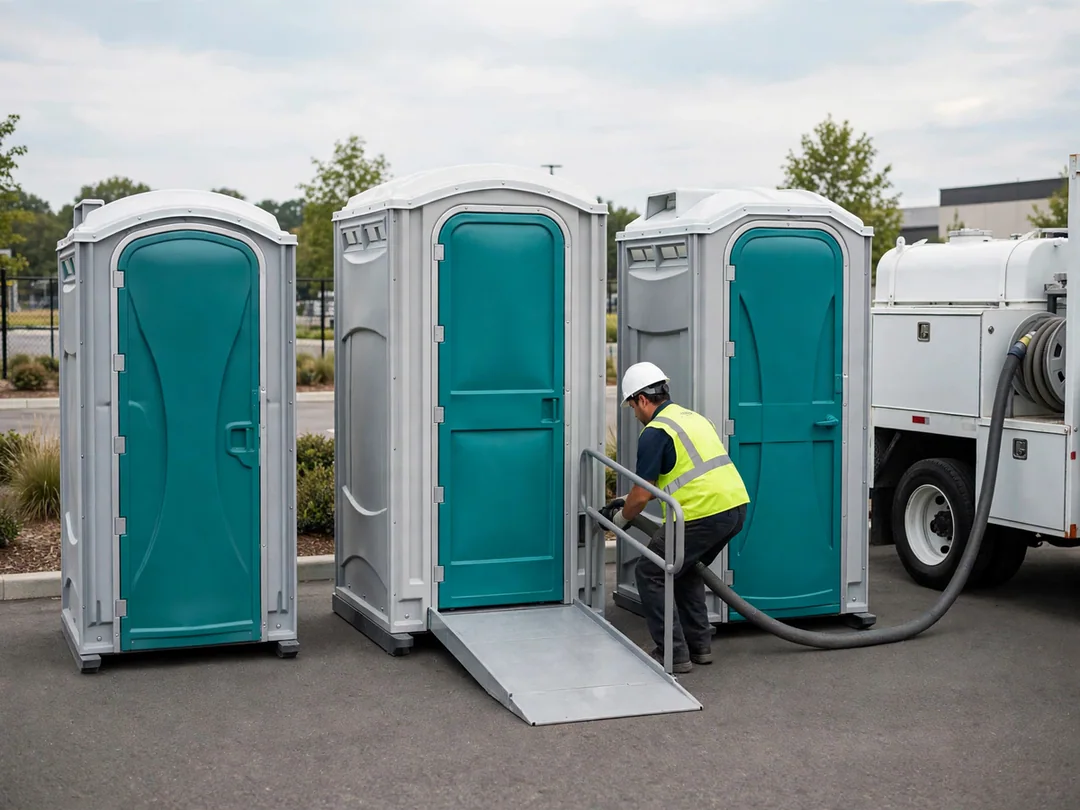
A long-term rental keeps one or more units on site for a month or longer, usually billed on a recurring cycle that includes a set service schedule, often weekly. The provider pumps, cleans and restocks each visit and swaps or repairs units as needed. Terms, billing cycles and minimum periods vary by provider, so review the agreement before signing.
Who uses long-term rentals
Long-term rentals cover any situation where restroom needs continue well beyond a weekend. The common thread is that the site lacks permanent plumbing, or permanent restrooms are not practical to build for the time involved.
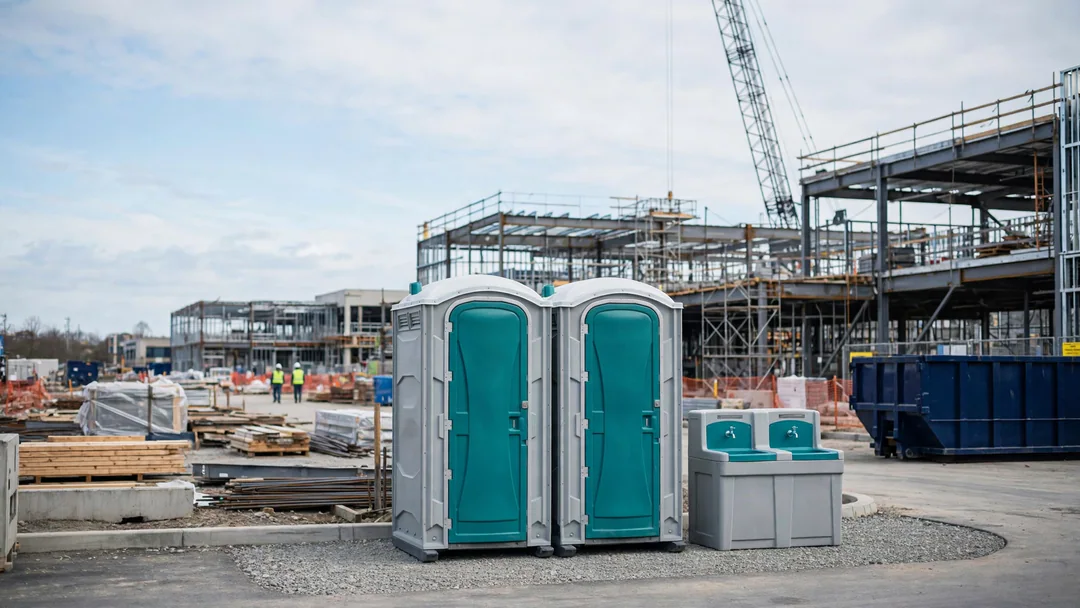
- Commercial and residential construction projects
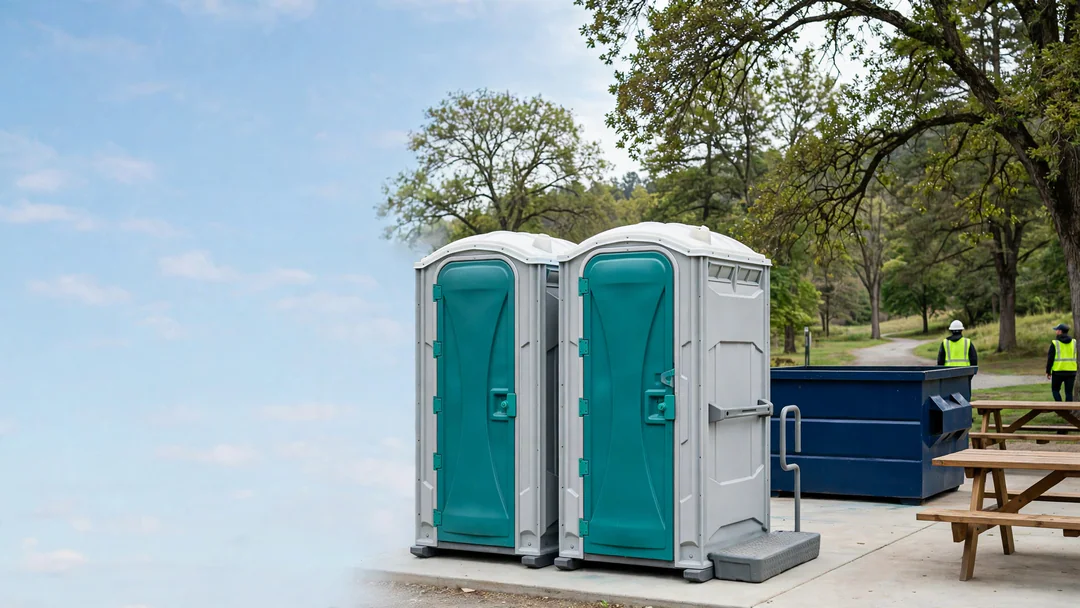
- Parks, trailheads, boat ramps and sports fields
- Farms, orchards, vineyards and nurseries
- Seasonal businesses like farm stands and fireworks tents
- Remote facilities, quarries and utility sites
- Homes during extended renovation or septic replacement
Choosing a service frequency
The schedule matters more than the unit. A weekly visit is typical for most long-term rentals, and it is the common baseline on construction sites. Heavier use, more people, hot weather or public access can call for twice-weekly service. Very light use, such as a single unit at a rarely visited trailhead, may work with less frequent service if the provider agrees.
Tell the provider how many people use the units and when. Usage patterns change through the year, so revisit the schedule each season. Our maintenance page explains what happens during each visit.
| Situation | Typical starting point |
|---|---|
| Small crew or household | Weekly |
| Larger crew or long shifts | Weekly plus extra visits, or more units |
| Public park or trailhead | Weekly or more in peak season |
| Light, occasional use | As agreed with the provider |
Adjusting as the site changes
Long projects are rarely static. Crews grow and shrink, phases move to different parts of the property and seasons change demand at parks and farms. A good long-term arrangement makes adjustments easy. Most providers will add or remove units, relocate them and change service frequency with notice. Keep a single point of contact who knows where units are and how they are being used, so requests are quick and accurate.
For construction, review crew size against OSHA 29 CFR 1926.51(c) minimums whenever headcount changes; see our OSHA guide.
Seasonal considerations
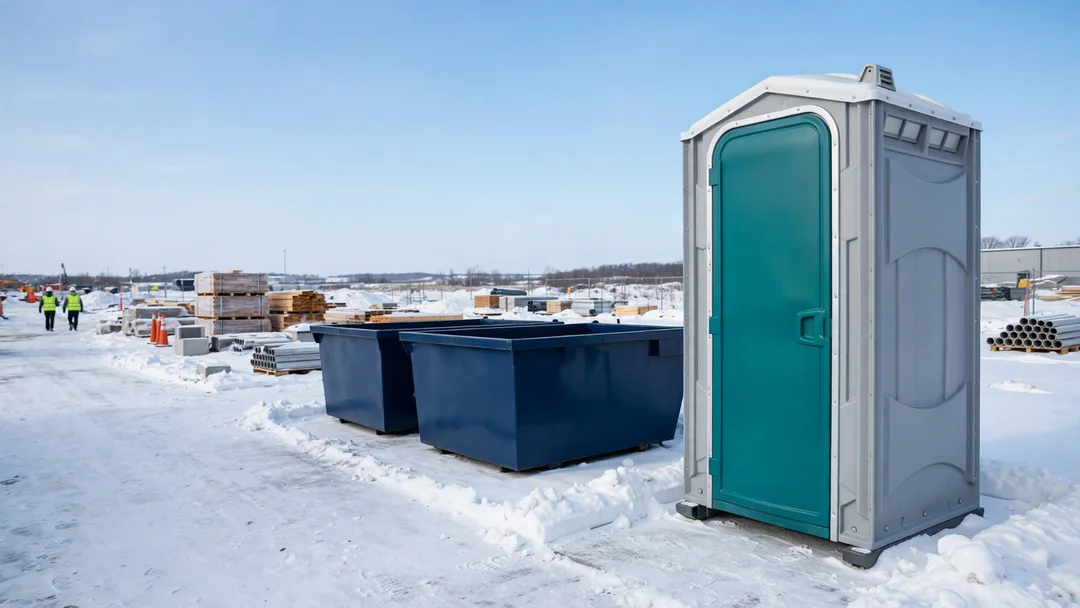
Units that sit for months go through every kind of weather. In winter, providers may add antifreeze or brine to tanks and adjust schedules so waste does not freeze; heated units may be available in cold markets. Our winter rental guide has more. In summer, odor builds faster, so shade and more frequent service help. In storm-prone areas, ask about anchoring units against high winds.
Placement for months, not days
A unit that stays for a season needs a better spot than one dropped for a weekend. Choose firm, well-drained ground that will not turn to mud in the rainy months, and confirm the service truck can reach it in every season, including after snow or when fields are planted. Keep units away from wells, streams and drainage paths, and out of the way of mowing, deliveries and equipment.
At public sites like parks and trailheads, place units where they are visible from a parking area or path. Visible units tend to see less vandalism and are easier for visitors to find. Securing units to a post or anchor can help in windy locations and discourages tipping. If the site is gated or locked, give the provider a reliable way in for every scheduled visit, since a missed service on a long-term rental compounds quickly.
Keeping users happy over the long run
Small habits keep long-term units pleasant. Post a phone number on the unit so users can report problems. Add a trash can nearby so litter stays out of the tank. Ask users not to dispose of anything other than waste and toilet paper. And check in with the provider whenever complaints start, because the fix is usually a schedule change or an extra unit.
Even with regular cleaning, units wear over months of use. Doors, latches, vents and dispensers take the most abuse. On a long-term rental, providers typically repair or swap out damaged units as part of normal service, though damage beyond normal wear may be billed to the customer depending on the agreement. Report problems promptly; a broken latch or cracked vent is easy to fix early and unpleasant to live with.
Agreements and billing
Long-term rentals usually run on a recurring billing cycle, often monthly, that bundles the unit and its service visits. Read the agreement for minimum terms, notice periods for pickup, fuel or environmental surcharges, damage terms and what counts as an extra service. We do not publish prices, because they vary by market and provider; see porta potty prices for the factors that affect a long-term quote.
Starting a long-term rental
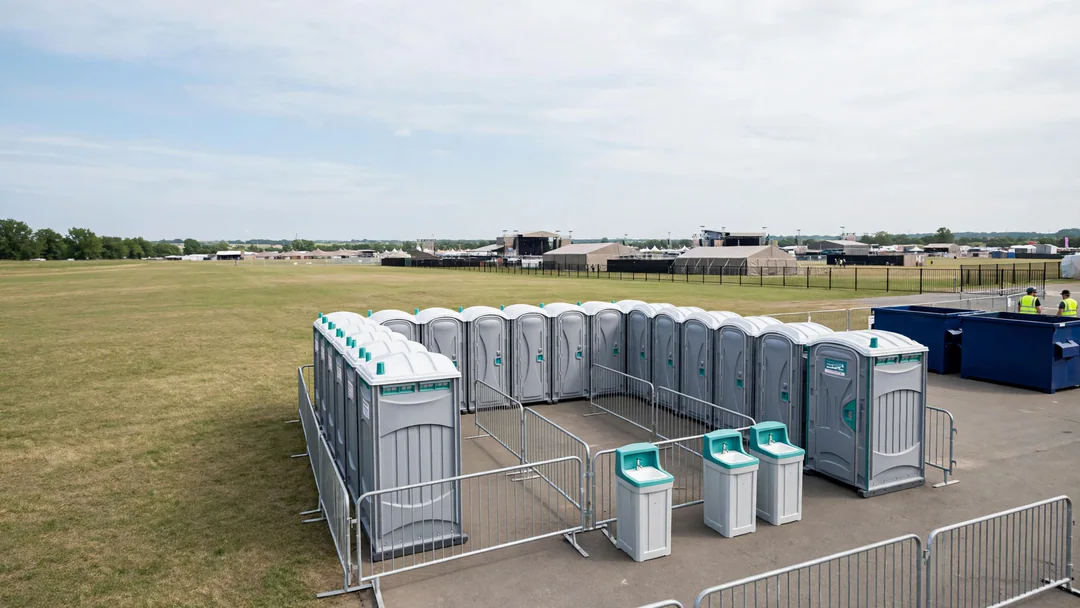
Send the site address, start date, expected duration, user count, any public access, and a note about placement and truck access. Mention whether you need accessible units or hand washing. The provider will recommend a unit mix and service schedule, and you can adjust both over time.
Long-Term Porta Potty FAQs
How long can I rent a porta potty?
As long as you need it. Many providers handle rentals of months or longer, with recurring billing and scheduled service.
Is weekly service enough for a long-term rental?
For most small crews and households, yes. Heavy use, public access or hot weather can call for more frequent visits.
Can I change the number of units mid-rental?
Usually yes, with notice. Most providers will add, remove or relocate units as your needs change.
What happens if a unit is damaged?
Report it right away. Providers typically repair or swap units for normal wear; damage beyond that may be billed depending on the agreement.
Do long-term rentals cost less per month?
Terms vary by provider. Some structure long-term pricing differently from short rentals; ask how billing works when you request a quote.
Related pages
Need portable toilets on site?
Share your ZIP code and project details. We will route it to an available provider near you.