
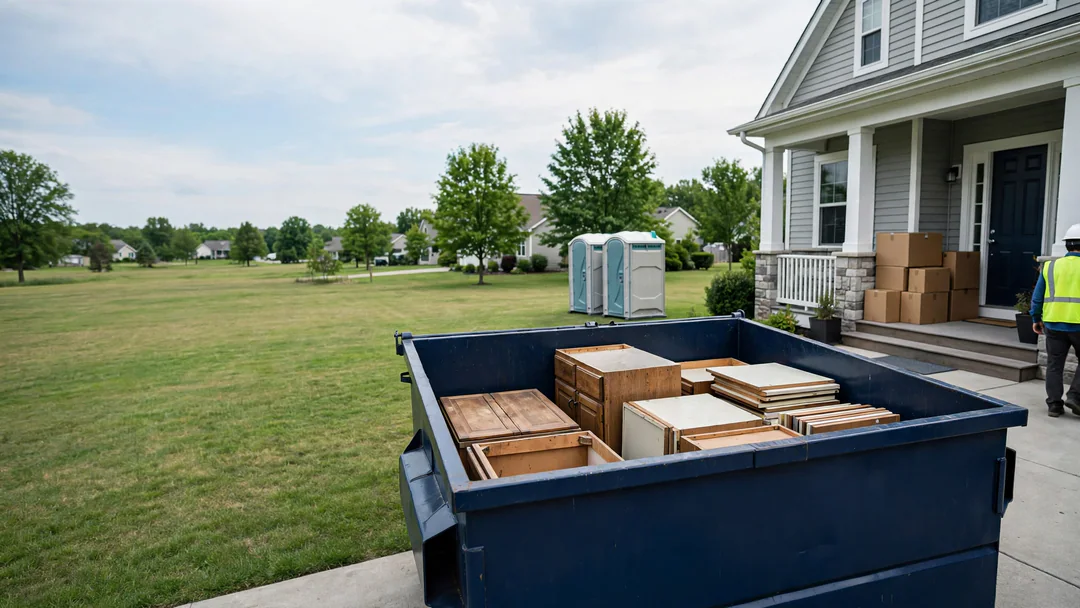
Dumpster Use Cases
Dumpster Rental for Home Renovation Projects
A remodel creates debris in waves. Planning the container around those waves keeps the job moving and the house livable.
One quick call to a real person. You approve the price before anything ships.
- All 50 states + DC
- Price confirmed before delivery
- Pricing explained up front
- 10–40 ydRoll-off sizes
- 50 + DCStates served
- 7–14 daysTypical rental period
- Same-dayDelivery when available
How do I plan a dumpster for a home renovation?
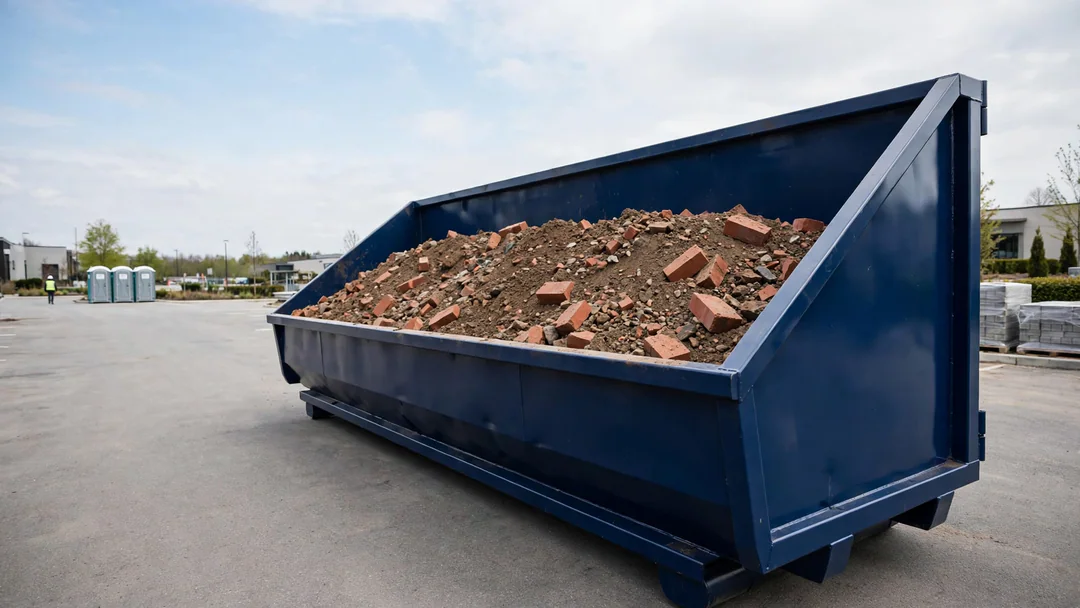
Match the container to the heaviest phase of the remodel, usually demolition, and schedule delivery a day before tear-out begins. Estimate volume room by room, keep heavy materials like tile and plaster in mind for weight, and confirm placement and any permit with your local provider. Sizes, weight allowances, and rules vary by provider and location.
Plan the container around renovation phases
Most remodels produce the bulk of their waste in the first few days, when cabinets, fixtures, drywall, and flooring come out. After that, debris slows to packaging, offcuts, and cleanup. Planning around those phases helps you avoid paying to keep a half-empty container on site for weeks, or running out of room on demo day.
- Demolition
Schedule delivery the day before tear-out. This is when you need the most open volume and when weight adds up fastest.
- Rough-in
Plumbing, electrical, and framing changes create smaller amounts of lumber, wire, and pipe scraps. A swap may be useful here if demo filled the first container.
- Finishes
Drywall offcuts, flooring scraps, and a lot of cardboard packaging. Break boxes down to save space.
- Final cleanup
Book the pickup once the last debris is loaded. Ask your provider how to request pickup and how much notice they need.
Typical sizes by renovation scope
These are planning starting points, not guarantees. The actual fit depends on how much you remove, how heavy it is, and how carefully you load. Your provider can help you adjust.
- Compare options on the dumpster sizes page.
- Read how weight is handled in dumpster weight limits.
| Project scope | Size often considered | Notes |
|---|---|---|
| Single bathroom | 10-yard | Tile, mortar beds, and cast-iron tubs are heavy for their volume |
| Kitchen remodel | 10- to 20-yard | Cabinets and countertops are bulky; stone tops add weight |
| Basement finish or flooring throughout | 15- to 20-yard | Carpet and pad take up space; tile and plaster add weight |
| Multi-room or whole-house remodel | 20- to 30-yard | Consider a swap instead of one oversized container |
| Addition with demolition | 30-yard or larger | Framing waste and roofing may call for separate loads |
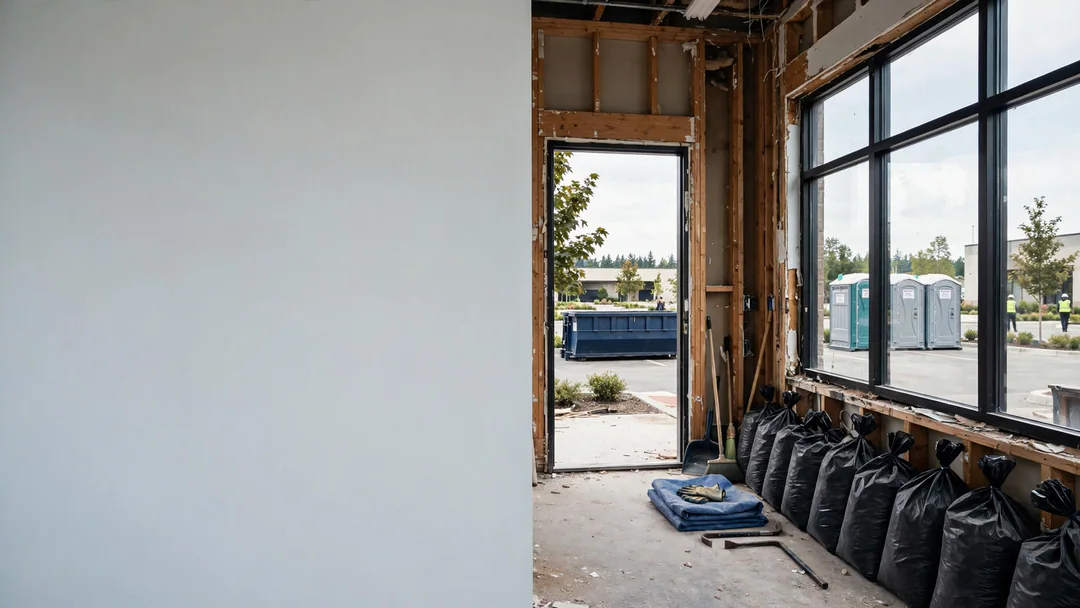
Living at home during the remodel
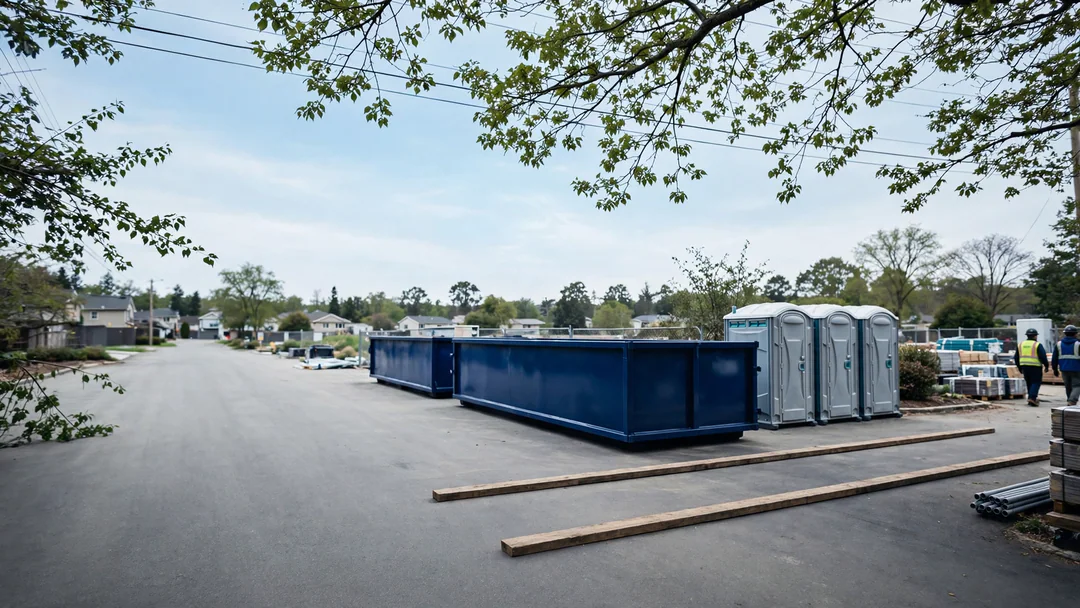
Many renovations happen while the family still lives in the house, which changes how you plan the container. Think about where the debris path runs from the work area to the dumpster, and keep it away from the main entrance you use every day.
- Place the container where it does not block the garage you need for daily parking, if possible.
- Lay boards or plywood under the rails if your provider recommends it to protect the driveway.
- Keep a tarp handy to cover the load before rain and to discourage neighbors from adding their own trash.
- Plan a clear walking route so kids and pets stay away from the drop zone.
Mixed remodel debris and what to keep out
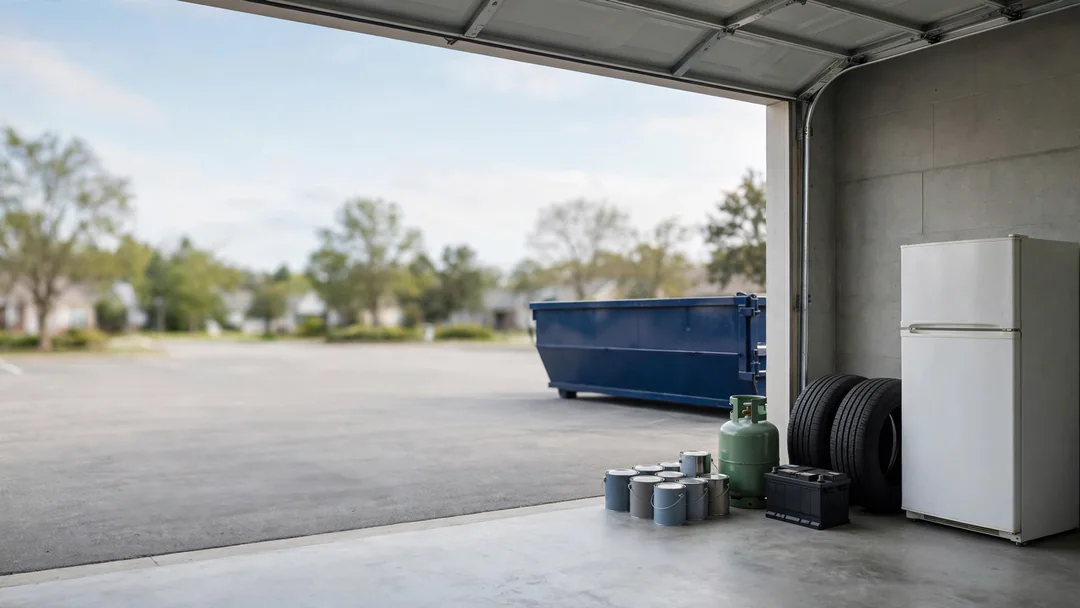
Most remodel waste, such as drywall, lumber, cabinets, flooring, and fixtures, can typically go in a standard roll-off. Some items need separate handling. Many states ban tires, lead-acid batteries, and appliances containing refrigerant from regular landfill disposal, and paints, solvents, and other liquids are usually restricted. Older homes may contain asbestos or lead paint, which require testing and specialized handling under federal, state, and local rules before demolition.
See what you cannot put in a dumpster and confirm the list with your provider, since accepted materials vary by location.
Coordinating with your contractor
If a contractor is running the remodel, decide early who books the dumpster. Some contractors include debris removal in their bid; others expect the homeowner to arrange it. Clarify who calls for swaps and pickup, who is responsible for overweight charges, and whether the crew will sort recyclable materials like clean metal or cardboard. A short written note about these points avoids confusion when the container fills on a busy day.
Permits and HOA rules for renovation containers
A dumpster on your own driveway usually does not need a city permit, but placement on the street or sidewalk often does. Homeowners associations may also limit how long a container can stay or where it can sit. Check with your city or county and your HOA before delivery. Our dumpster permits guide explains what to ask.
Frequently asked questions
Should I rent one big dumpster or swap a smaller one?
For long remodels with heavy demo, a swap of a smaller container is often easier to place and reduces the chance of overloading. For short, single-phase jobs, one container sized for the demo is usually simpler. Ask your provider which options they offer.
How long will I need the dumpster for a remodel?
It depends on your schedule. Some households keep the container only for demolition and handle finish waste with regular trash. Others keep it for the full project. Rental periods and extension terms vary by provider.
Can I put old windows and doors in the dumpster?
Usually yes, but glass and painted materials in older homes may raise lead-paint questions. Confirm with your provider and follow any local requirements for pre-1978 homes.
Is a renovation dumpster different from a residential dumpster?
The equipment is often the same. This page focuses on planning around remodel phases. For general product details, see the residential dumpsters page.
Can my contractor and I share the dumpster?
Yes, as long as everyone agrees on who books it, who pays for extra weight, and who calls for pickup.
Related pages
Ready to book a dumpster?
Share your ZIP code and project details. We will route it to an available provider near you.