
Dumpster Services
Roll-Off Dumpster Rental
The roll-off is the open-top steel container you see on driveways and job sites. Here is how the equipment works and how to get one from a provider in our network.
One quick call to a real person. You approve the price before anything ships.
- All 50 states + DC
- Price confirmed before delivery
- Pricing explained up front
- 10–40 ydRoll-off sizes
- 50 + DCStates served
- 7–14 daysTypical rental period
- Same-dayDelivery when available
What is a roll-off dumpster?
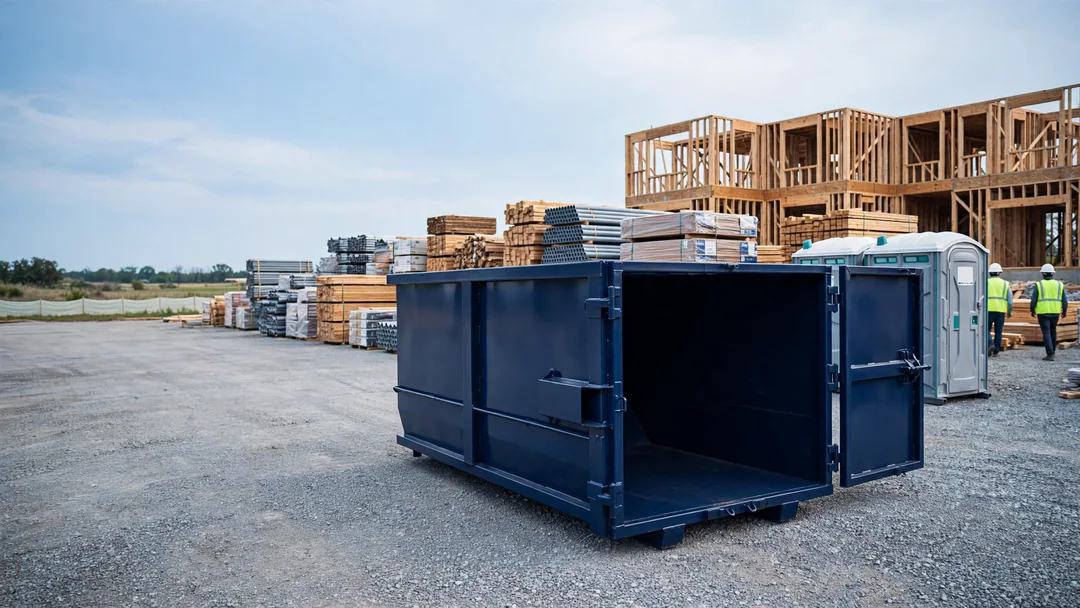
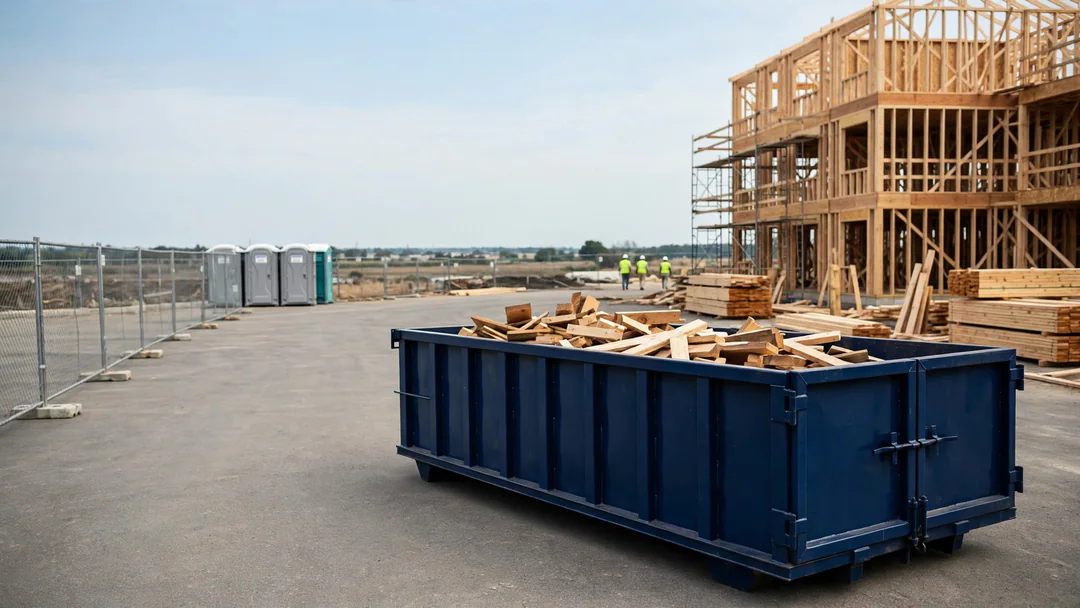
A roll-off dumpster is a rectangular, open-top steel container that a specialized truck slides onto the ground using a hoist and rails. You fill it on site, and the truck winches it back up and hauls it to a disposal or recycling facility. Sizes are measured in cubic yards, typically 10 to 40, and specs vary by hauler.
Roll-Off Dumpsters: dumpster sizes at a glance
| Size | Typical dimensions | Holds about |
|---|---|---|
| 20-yard | ~22 ft L × 8 ft W × 4.5 ft H | 6–8 pickup-truck loads |
| 40-yard | ~22 ft L × 8 ft W × 8 ft H | 12–16 pickup-truck loads |
- Weight: heavy debris like concrete, dirt or shingles reaches the weight allowance before the container is full, so it usually goes in a smaller container. See dumpster weight limits.
- Permits: a dumpster on your own driveway usually needs no permit; one on a street or sidewalk often does. See dumpster permits.
How a roll-off container is built
A roll-off is a welded steel box with an open top, reinforced floor rails, and steel wheels or rollers at one end. The rails let the truck's cable or hook system pull the container onto a tilted bed, and the rollers let it glide off again without being lifted by a crane.
Most residential and construction roll-offs have a swing door at the rear end. Opening that door lets you walk debris in or wheel a dolly inside instead of lifting everything over the wall. Door style, latch design, and wall height differ between manufacturers, so the box your provider brings may not match photos you see online.
How delivery and pickup work
The roll-off truck backs up to your chosen spot and raises its bed. The container slides down the rails and sets onto the ground, usually in a few minutes. Pickup is the reverse: the driver hooks the container, winches it back up, and drives it to the landfill, transfer station, or recycler that accepts your type of debris.
- The truck needs a long, fairly straight approach plus room for the container behind it.
- Overhead clearance matters because the bed tilts up steeply during drop-off and pickup.
- Firm, level ground keeps the container stable and makes the door easier to open and close.
- Some haulers offer a swap: they pick up the full box and drop an empty one in a single trip.
Hook-lift vs. cable roll-off systems
Haulers use two main truck designs. Cable systems pull the container up the bed with a winch cable attached to the front. Hook-lift systems use a hydraulic arm that grabs a bar on the front of the container. You do not need to choose one, but the system affects which containers a hauler can carry and sometimes how much room the truck needs. If your site is tight, describe it when you request a quote so the provider can send compatible equipment.
Roll-off sizes at a glance
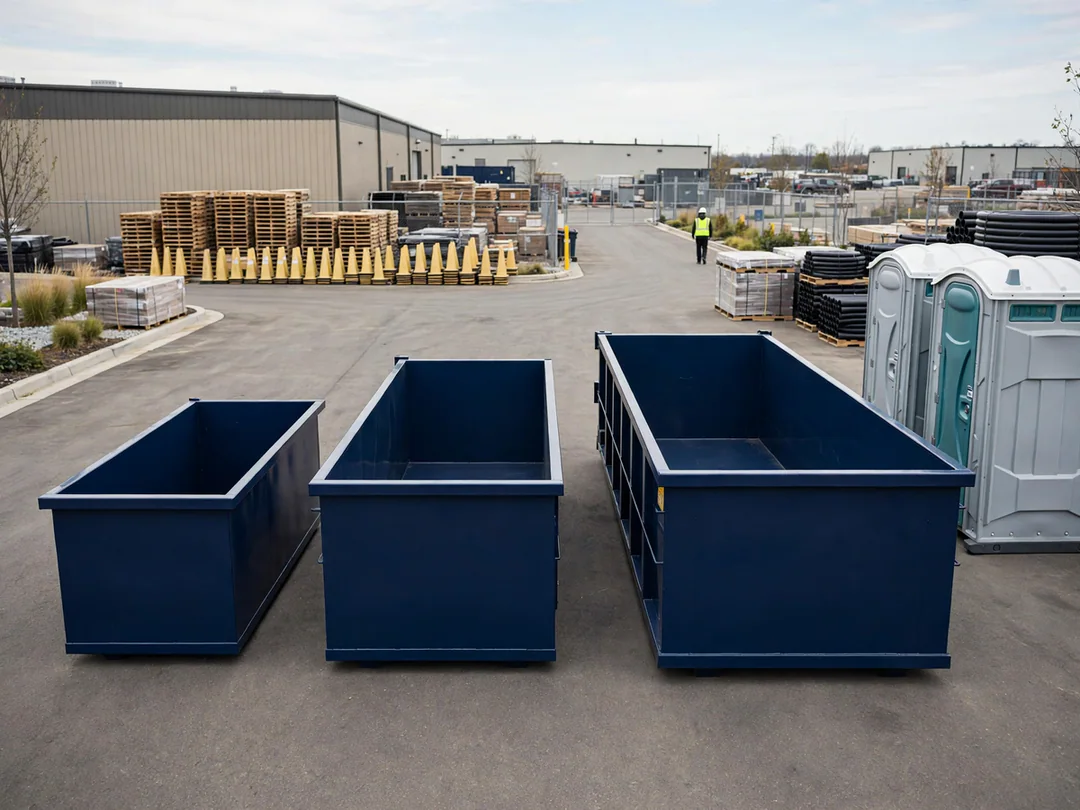
Roll-offs commonly come in 10, 15, 20, 30, and 40 cubic yard sizes. Not every hauler stocks every size, and some carry in-between sizes such as 12 or 25 yards. The footprint of 20, 30, and 40 yard boxes is often similar; the walls simply get taller. That means a bigger box may fit the same driveway as a 20-yard but be harder to load over the side.
For dimensions, capacity, and weight considerations size by size, see our dumpster sizes guide.
Loading a roll-off safely and efficiently
How you load the container affects how much fits and whether the hauler can legally move it. A few habits help:
- Put flat, heavy items such as drywall and doors on the floor first, then fill gaps with smaller debris.
- Break down furniture and cut long boards so pieces lie flat instead of creating air pockets.
- Keep debris at or below the top of the walls. Overfilled boxes may be refused until material is removed.
- Spread heavy material across the floor rather than piling it at one end.
- Close and latch the rear door before you call for pickup.
When a roll-off is the right tool
Roll-offs suit projects where debris accumulates over several days or where the volume is too large for a few trailer loads. Remodels, cleanouts, roofing, landscaping, and construction all fit. For a handful of bulky items that you want someone else to carry out, a crew-loaded service may be simpler; our guide on dumpster vs. junk removal walks through the trade-offs. Haul & Hygiene does not own containers. We connect you with an independent hauler whose equipment, terms, and disposal access fit your project and location.
Roll-Off Dumpsters FAQs
Why is it called a roll-off?
The name comes from the way the container rolls off the back of the truck on its wheels or rollers during delivery and is rolled back on for pickup.
Can I move the container after it is delivered?
No. Roll-offs are too heavy to move by hand once set, and dragging them can damage surfaces. Choose the location carefully before the driver arrives, and ask for a reposition if needed, which some haulers charge for.
Do roll-offs come with a lid?
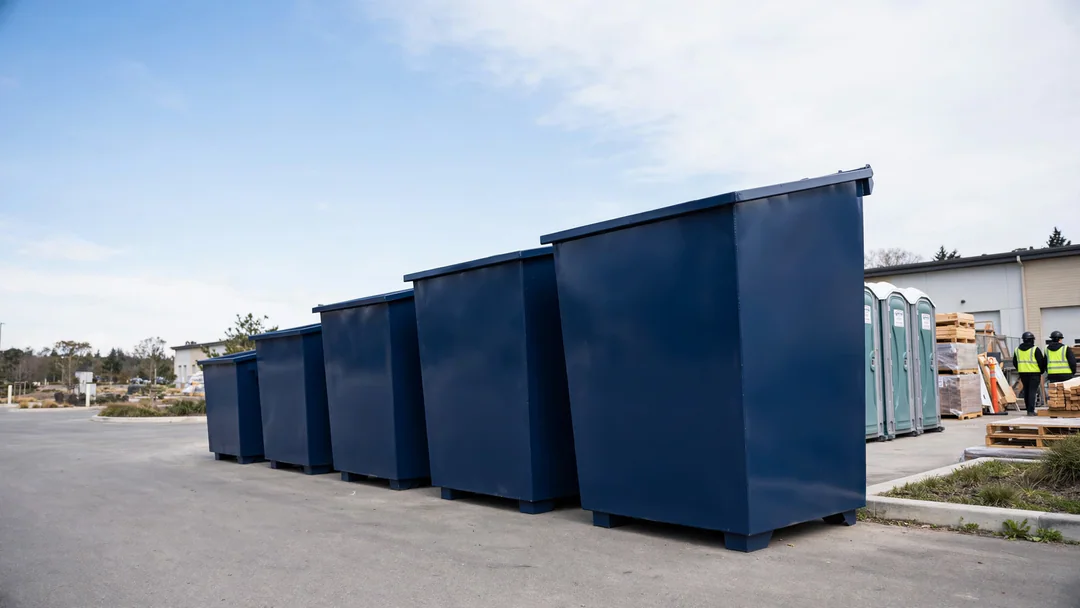
Most are open-top. Some haulers can provide a tarp or, for certain sizes, a lidded container. Ask your provider if you need to keep rain out or discourage others from using the box.
Is the rear door always included?
Many residential and construction roll-offs have a swing door, but not every container does. If walk-in loading matters for your project, mention it when you request a quote.
What surface does a roll-off need?
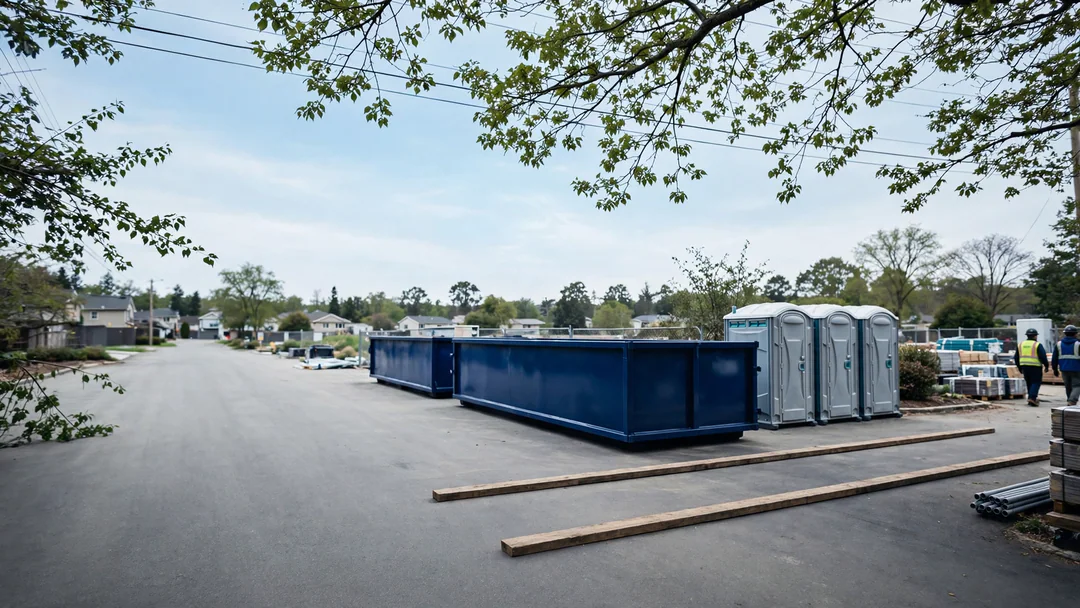
A firm, level surface such as a concrete or asphalt driveway works best. Soft lawns and gravel can rut under the weight, especially when wet. Boards under the rails help spread the load.
Related pages
Ready to book a dumpster?
Share your ZIP code and project details. We will route it to an available provider near you.