
Idaho · Mountain West
Dumpster & Porta Potty Rental in Idaho
Plan a roll-off dumpster or portable toilet rental anywhere in Idaho, with state-specific guidance on permits, disposal and seasons.
One quick call to a real person. You approve the price before anything ships.
- All 50 states + DC
- Price confirmed before delivery
- Pricing explained up front
Can I rent a dumpster or porta potty in Idaho?
Yes. Haul & Hygiene coordinates roll-off dumpster and portable toilet rentals across Idaho, including the Boise City (Treasure Valley), Idaho Falls, Coeur d'Alene, Pocatello areas, through independent local providers. Pricing, container sizes and delivery windows depend on the provider serving your ZIP code, and a permit is usually needed only when equipment goes on a public street.
Dumpster and portable toilet rental in Idaho
Idaho's population is spread across a few distinct regions. The Treasure Valley in the southwest, anchored by Boise, Meridian, Nampa and Caldwell, holds the largest share of residents and most of the state's construction activity. Eastern Idaho centers on Idaho Falls and Pocatello along the Snake River Plain, the Magic Valley surrounds Twin Falls, and the forested Panhandle in the north includes Coeur d'Alene and Sandpoint.
Much of southern Idaho is high desert irrigated by the Snake River and its canals, while the central and northern parts of the state are mountainous and heavily forested. Those differences shape road access, weather and the kinds of projects people rent equipment for.
Haul & Hygiene coordinates with independent haulers and sanitation providers throughout Idaho rather than operating its own fleet. Your provider confirms sizes, access and scheduling. See pages for Boise, Meridian, Nampa and Idaho Falls.
Dumpster rental in Idaho: what to know
Across Idaho's growing suburbs, 10- and 20-yard containers handle most remodels, garage cleanouts and roof tear-offs, while 30- and 40-yard containers are typical on new home construction and commercial sites. See our dumpster sizes page for typical dimensions.
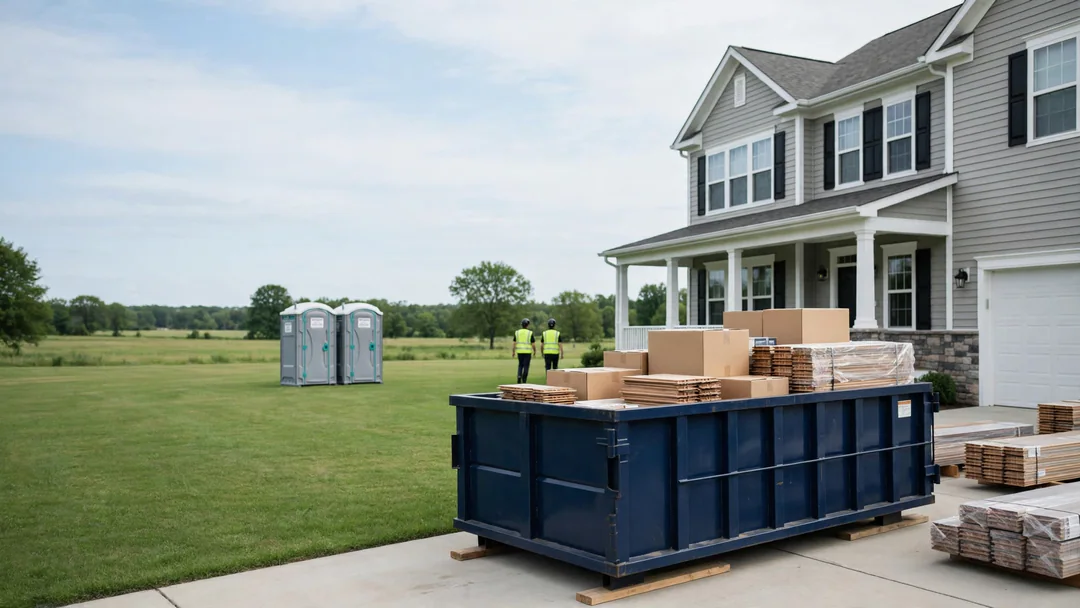
Newer Treasure Valley neighborhoods usually have wide concrete driveways that accept a roll-off easily, though HOA rules may limit time on site. On rural properties, gravel lanes and soft irrigated ground need attention, especially in spring when fields are wet and frost is coming out of the soil.
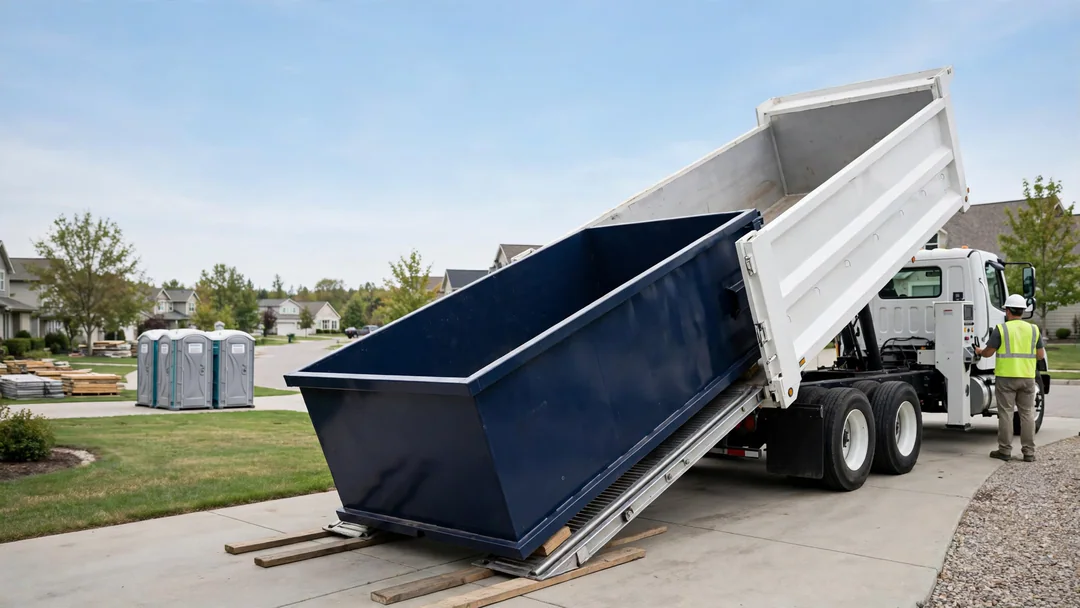
In winter, clear snow from the delivery spot and keep the path open for pickup. Boards under the rails protect concrete; see how to prepare your driveway. For farm cleanouts with metal and heavy equipment parts, ask about weight limits first.
Portable toilet rental in Idaho
Idaho's biggest sanitation challenge is temperature swings. Summer events in the Treasure Valley and Magic Valley can be hot and dry, increasing use and odor, while winter job sites face freezing nights for months. Ask your provider about freeze protection for holding tanks and adjusted service in cold weather.
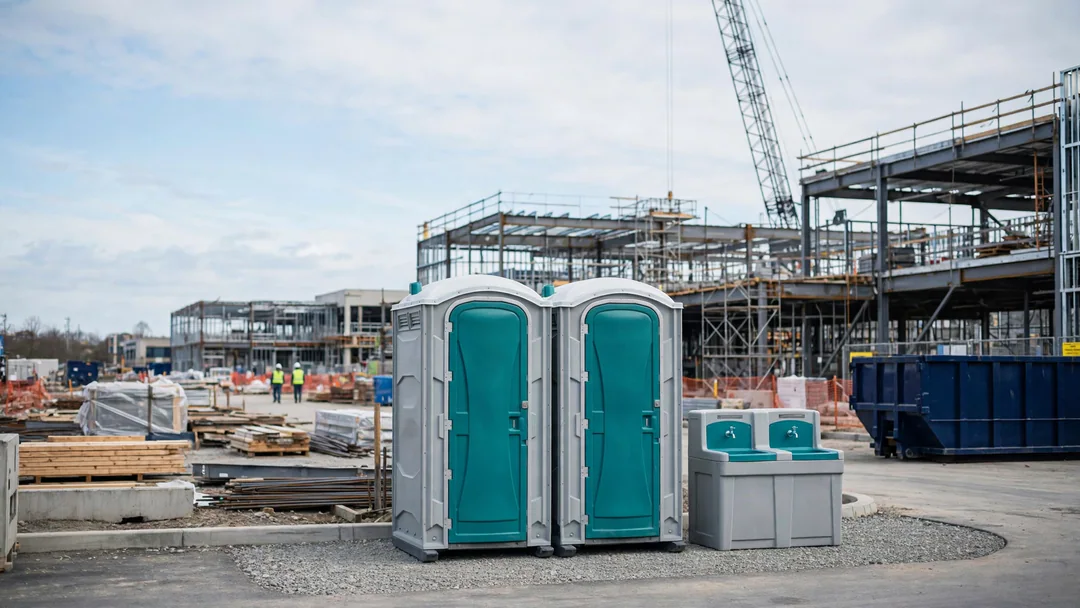
For construction, federal OSHA rules at 29 CFR 1926.51 set minimum toilet counts by crew size; see our OSHA jobsite toilet guide. Subdivision builders often use one unit per active lot cluster with weekly service.
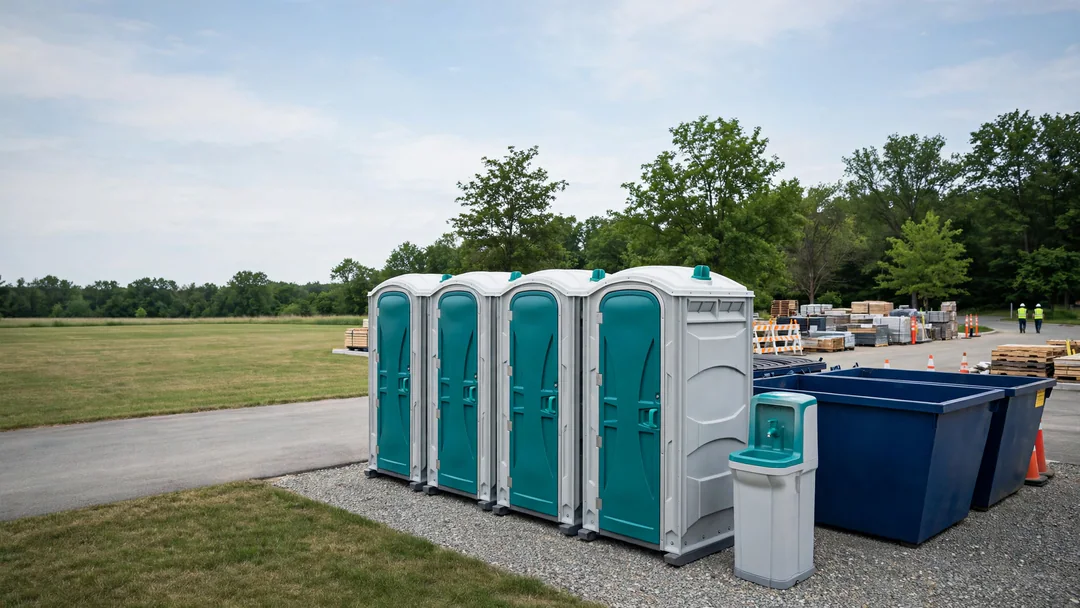
Rural events, rodeos and weddings often have no plumbing, so plan for ADA-accessible units, hand-washing and possibly restroom trailers. Wind across open plains can tip unsecured units, so staking is common.
Climate and seasonal considerations in Idaho
Southern Idaho has a semi-arid climate with hot, dry summers and cold winters. In the Treasure Valley, summer afternoons are often hot and sunny, while winter can bring snow, freezing fog and temperature inversions that keep cold air trapped in the valley for days. Eastern Idaho is higher and colder, with longer winters, stronger winds across the Snake River Plain and more frequent snow.
Cold weather affects portable toilets most: holding tanks can freeze without antifreeze or brine, and service routes may slow after storms. Our winter portable toilet guide explains the options. For dumpsters, snow and ice on driveways need to be cleared for delivery and pickup.
The northern Panhandle is wetter and snowier, and summer wildfire smoke can drift across much of the state in late summer, occasionally affecting outdoor events and job sites.
Construction activity and common projects in Idaho
The Treasure Valley has been one of the fastest-growing areas in the West, and new subdivisions, apartments, schools, shopping centers and roads have spread across Ada and Canyon counties. Meridian, Nampa, Kuna, Star and Caldwell have seen heavy residential building, while Boise sees infill, remodels and downtown projects. Micron Technology, headquartered in Boise, has also driven large-scale industrial construction.
Eastern Idaho's economy includes the Idaho National Laboratory, agriculture and food processing, with steady residential and commercial building around Idaho Falls and Ammon. Across the state, farms, dairies and potato operations produce equipment, shop and outbuilding projects.
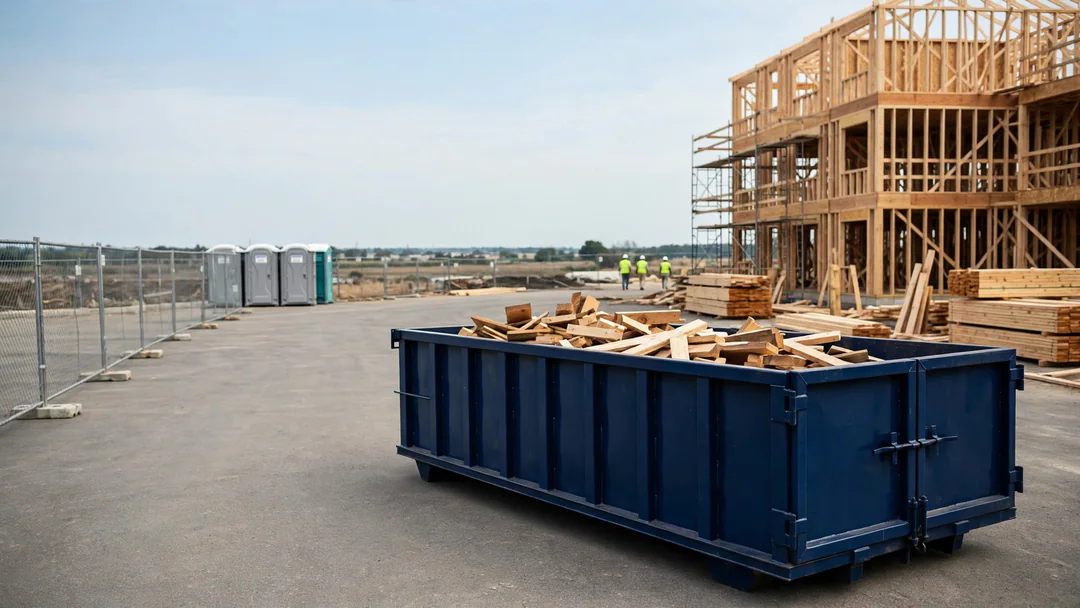
Most larger jobs pair construction dumpsters with jobsite portable toilets, and subdivision builders often prefer long-term rental arrangements.
- New subdivision construction in the Treasure Valley
- Home remodels and basement finishes
- Farm, dairy and outbuilding cleanouts
- Roof replacement after wind and hail
- Industrial and manufacturing construction
- Moving and downsizing cleanouts
- Rodeos, fairs and rural weddings
Disposal rules and restricted materials in Idaho
The Idaho Department of Environmental Quality (DEQ) oversees solid waste rules in the state, while counties typically own and operate the landfills and transfer stations residents and haulers use. That means accepted materials, hours and sorting rules can vary from Ada County to Canyon County to Bonneville County.
Items commonly restricted at Idaho disposal sites include household hazardous waste such as paint, solvents and pesticides, along with tires, vehicle batteries, used oil, propane cylinders and appliances containing refrigerant. Some counties run separate household hazardous waste collection days or sites. Electronics and fluorescent bulbs are often directed to recycling.
Ask your hauler before loading anything unusual, and review what you cannot put in a dumpster. Clean concrete, metal and wood may be recyclable; see construction debris recycling.
Permits in Idaho
Idaho has no statewide dumpster permit. A container placed on your own driveway or lot usually does not need one. If it will sit on a public street or right-of-way, rules typically come from the city, and in Ada County, public roads are managed by the Ada County Highway District (ACHD) rather than individual cities, so right-of-way approval may run through ACHD.
Outside Ada County, cities and county road departments set their own requirements. Many new Treasure Valley subdivisions have HOA covenants that limit how long containers, trailers or portable toilets can stay visible.
Confirm with your local road agency, city and HOA before delivery. Our dumpster permit guide and portable toilet permit guide explain what to ask.
Event sanitation planning in Idaho
Idaho's event season runs mostly from late spring into early fall. The Western Idaho Fair takes place in Boise in August, the Eastern Idaho State Fair runs in Blackfoot around Labor Day, and the Snake River Stampede rodeo is held in Nampa each July. Boise also hosts the Treefort Music Fest in late March, which often means cool, unpredictable weather.
Smaller towns hold rodeos, county fairs, farmers markets and harvest festivals, and summer floats on the Boise River draw crowds to riverside parks. Rural venues, barns and mountain lodges are popular for weddings.
Plan unit counts with our porta potty quantity guide, add hand-washing stations where food is served, and work through the event sanitation checklist.
Cities in Idaho
- Boise
- Meridian
- Nampa
- Idaho Falls
- Caldwell
- Pocatello
- Coeur d'Alene
- Twin Falls
Major metro areas: Boise City (Treasure Valley) · Idaho Falls · Coeur d'Alene · Pocatello · Twin Falls · Lewiston
Services in Idaho
Idaho rental FAQs
Do I need a permit for a dumpster in Idaho?
There is no statewide permit. Driveway placement usually needs none, but placing a container on a public road typically requires approval. In Ada County, public roads are managed by the Ada County Highway District, so check with ACHD as well as your city and HOA.
Can portable toilets freeze in Idaho winters?
Yes. Many providers add antifreeze or brine to holding tanks in cold months and may adjust service schedules. Ask about winter options when you book.
What cannot go in a dumpster in Idaho?
Hazardous waste, tires, vehicle batteries, used oil, propane tanks and refrigerant appliances are commonly restricted. County landfills set their own rules, so check with your hauler before loading anything unusual.
Can a dumpster be delivered to a farm or ranch in Idaho?
Often, yes. The truck needs firm, level ground and room to maneuver. Share details about gravel lanes, gates and wet fields so your provider can plan.
When is the busiest season for rentals in the Treasure Valley?
Spring through fall is busy with construction, roofing and events, and late summer adds fairs and rodeos. Booking a few days to a few weeks ahead helps, depending on the equipment.
Do you serve both Ada and Canyon counties?
Yes. Providers in our network cover Boise, Meridian, Eagle, Kuna, Nampa, Caldwell and surrounding communities. Call with your ZIP code to confirm availability.
Idaho sources and official resources
States neighboring Idaho
Ready to book a dumpster?
Planning a project in Idaho? Share your ZIP code and dates to check provider availability.