
Construction Waste Guide
Construction Debris Recycling
Much of what leaves a jobsite can be recovered if it is kept clean and sorted. Here is how to set up recycling that actually works.
One quick call to a real person. You approve the price before anything ships.
- All 50 states + DC
- Price confirmed before delivery
- Pricing explained up front
Can construction debris be recycled?
Yes, many construction and demolition materials are commonly recycled, including clean concrete, asphalt, brick, scrap metal, untreated wood, cardboard, and in some areas drywall and asphalt shingles. Whether a material can be recycled depends on local facilities and how clean the load is. Ask your hauler which materials they can divert and whether they need separate containers.
Why recycle construction debris
Construction and demolition (C&D) debris is a large share of the material sent to disposal facilities, and much of it is heavy, inert, and reusable. Recycling can reduce what goes to landfill, and in some areas it can lower disposal costs when clean loads are accepted at lower rates than mixed debris. Some cities, counties, and green-building programs require C&D recycling or diversion reporting for certain projects. Requirements vary, so ask your building department.
Materials commonly recycled
| Material | Common outlet | Keep it clean of |
|---|---|---|
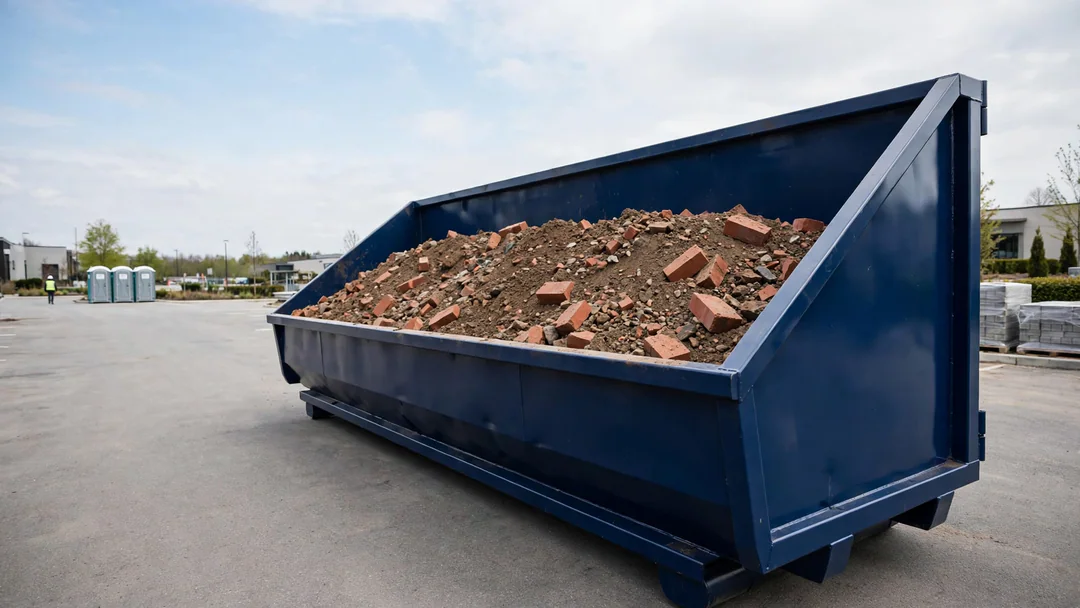
| Concrete, brick, block | Crushed for aggregate or fill | Trash, wood, rebar where required |
| Asphalt pavement | Reused in new asphalt | Soil and debris |
| Scrap metal | Scrap metal recyclers | Non-metal attachments where practical |
| Untreated wood and pallets | Mulch, fuel, or reuse | Painted, treated, or laminated wood |
| Cardboard and packaging | Paper recyclers | Food waste and wet material |
| Drywall scrap | Gypsum recycling in some areas | Painted or mixed debris |
| Asphalt shingles | Paving or fuel uses in some areas | Nails are often allowed; confirm |
Source separation versus mixed recycling
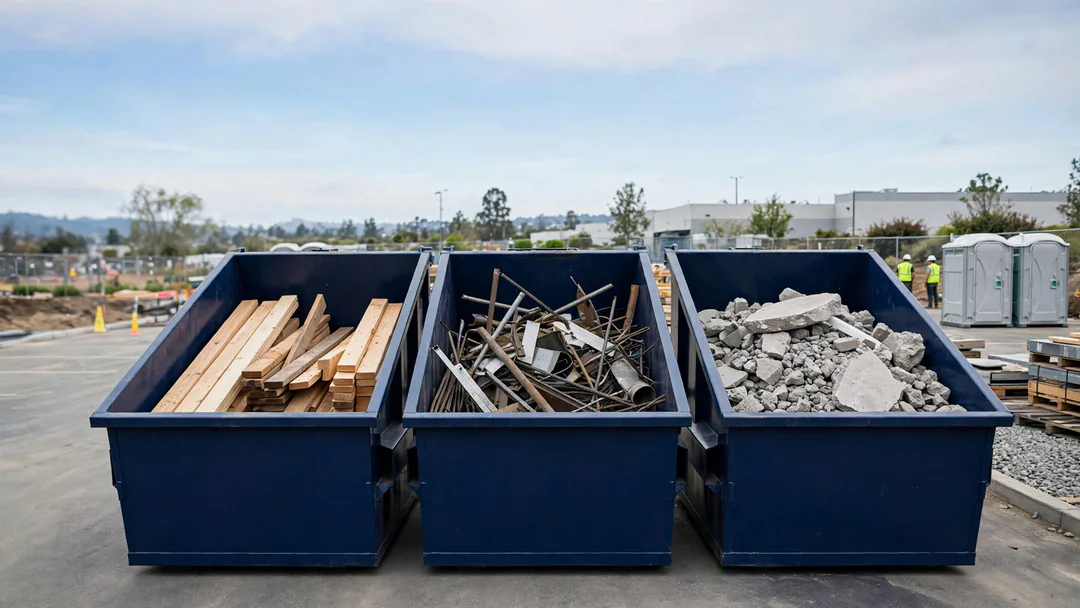
There are two common approaches. Source separation means sorting on site into dedicated containers, such as one for concrete, one for metal, and one for mixed debris. It produces the cleanest loads and the most options. Commingled or mixed C&D recycling means everything goes into one container and is sorted at a processing facility that can recover materials. It is simpler on site but depends on a suitable facility being nearby.
Many projects use a hybrid: separate containers for heavy, high-volume materials like concrete, and a mixed container for everything else. A dedicated concrete dumpster is a common starting point.
Setting up jobsite recycling
- Ask your hauler
Find out which materials local facilities accept and whether separate containers are needed.
- Plan by phase
Demolition produces concrete and metal; framing produces wood; finishes produce drywall and packaging.
- Label containers
Use clear signs so every trade knows where materials go.
- Brief the crew
Explain why contamination matters and who to ask when unsure.
- Track results
Keep haul tickets and any recycling receipts if the project requires reporting.
Contamination is the main risk
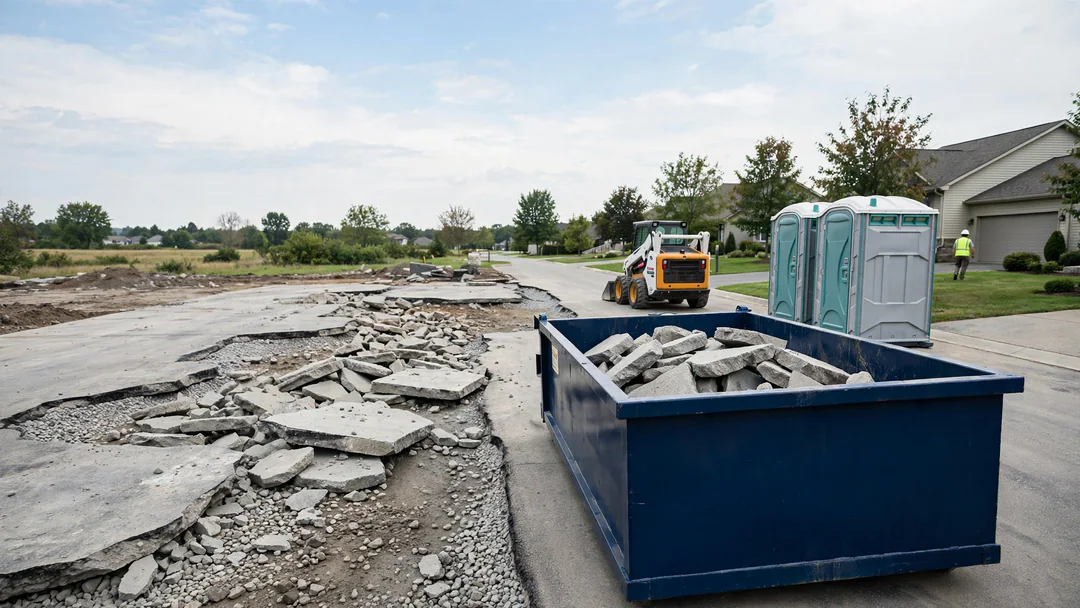
A clean concrete load can become a mixed debris load with a few bags of trash on top. Facilities may reject or reclassify contaminated loads, which can increase cost and defeat the purpose. Keep recycling containers near the work they serve, cover them if needed, and check them before each haul. Weight also matters with dense materials; see dumpster weight limits.
Materials that need special handling
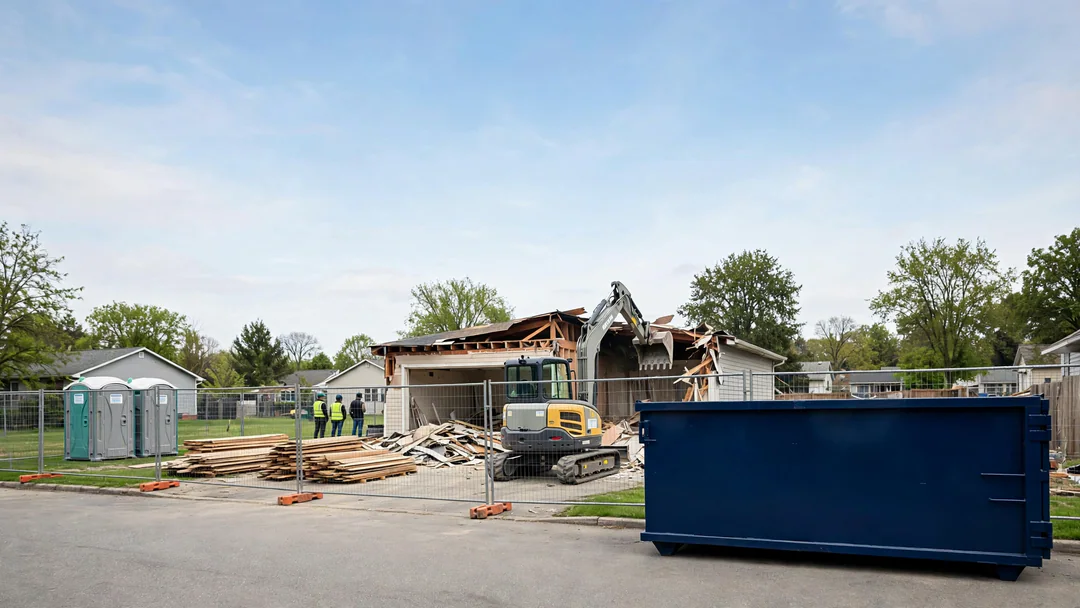
Some jobsite materials should not go into recycling or general debris containers. Suspected asbestos-containing materials, lead-painted components, paints and solvents, fluorescent lamps, batteries, tires, and appliances with refrigerant each have federal, state, or local handling rules. Many states ban certain items, such as tires, lead-acid batteries, and appliances containing refrigerant, from landfills. Fluorescent lamps and many batteries are handled under EPA universal-waste rules for businesses. See what you cannot put in a dumpster for more.
Reuse before recycling
Reuse keeps materials at their highest value. Doors, cabinets, fixtures, lumber, and brick salvaged during careful demolition may be sold or donated to building material reuse organizations where available. Deconstruction takes more time than demolition, so weigh it against schedule and labor, but even partial salvage can reduce debris. Ordering materials closer to actual needs also reduces offcuts and packaging.
Roofing and remodeling projects
Smaller jobs can recycle too. Roof tear-offs produce a single, consistent material, which makes shingle recycling practical where a facility accepts it; ask about a dedicated roofing dumpster. Kitchen and bath remodels generate metal from fixtures and ductwork, clean wood from framing changes, and cardboard from new cabinet and appliance packaging. Setting aside metal and cardboard alone can noticeably reduce what goes into the main container, even when full source separation is not practical.
Questions to ask your provider
Answers vary widely between regions. For overall planning, see construction site waste management.
- Which materials can you take to recycling facilities in this area?
- Do I need separate containers, or can you handle mixed C&D recycling?
- What level of contamination is acceptable?
- Can you provide documentation for diversion reporting?
- Are rates different for clean concrete, metal, or wood loads?
Find recycling-ready containers
Compare construction dumpsters, demolition dumpsters, and roofing dumpsters, then find providers on the locations page.
Construction Debris Recycling FAQs
Can I mix recyclables in a regular construction dumpster?
Sometimes. If a local facility does mixed C&D recycling, it may recover materials from commingled loads. Otherwise, separate containers give the best chance of recycling. Ask your hauler.
Is concrete recycling available everywhere?
Concrete is one of the most widely recycled C&D materials, but availability still depends on local crushers and facilities. Your provider can confirm options in your area.
Can treated or painted wood be recycled?
Often not with clean wood, because coatings and treatments can limit uses. Ask your hauler how to handle it, and keep it separate from clean lumber.
Do I need to document recycling for my project?
Only if your permit, owner, or a green-building program requires it. If so, ask your provider in advance what documentation they can supply.
Is recycling cheaper than disposal?
It can be in some areas, especially for clean, heavy materials, but it depends on local facility rates and hauling. Ask providers to quote both options.
Related pages
Ready to book a dumpster?
Whatever the project, start with your ZIP code. We will check provider availability for your dates.