
Contractor Services
Construction Dumpster Rental
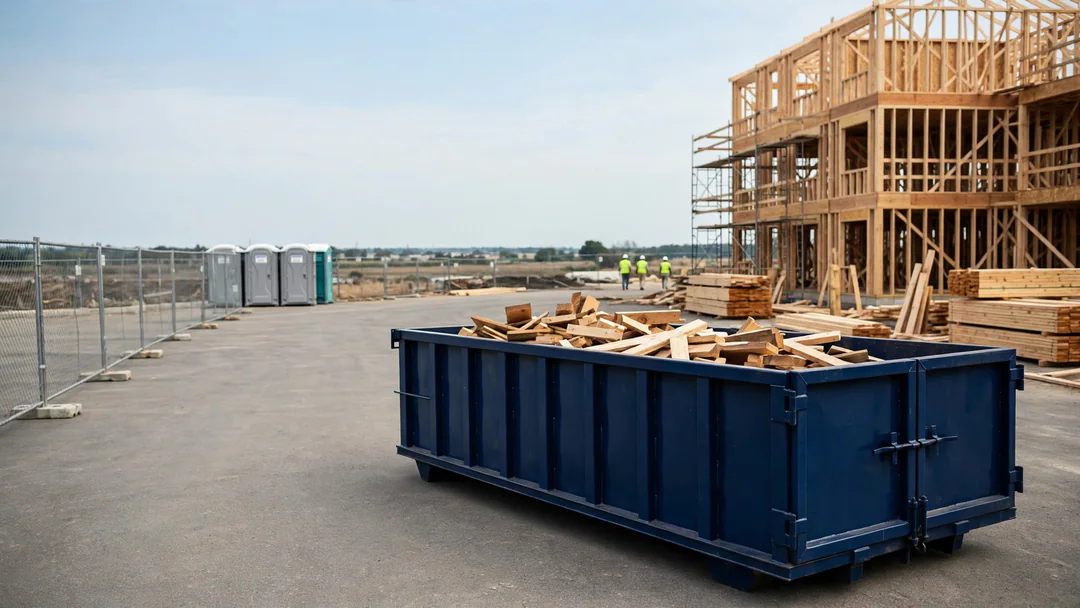
Job sites generate debris on a schedule of their own. We connect builders and trade contractors with independent haulers who can keep containers turning.
One quick call to a real person. You approve the price before anything ships.
- All 50 states + DC
- Price confirmed before delivery
- Pricing explained up front
- 10–40 ydRoll-off sizes
- 50 + DCStates served
- 7–14 daysTypical rental period
- Same-dayDelivery when available
What size dumpster do contractors use on a construction site?
Many builders use 20 or 30 yard roll-offs for mixed construction and demolition debris, with 40-yard boxes for bulky, lighter waste such as packaging and framing scrap. Heavy material like concrete or masonry usually goes in a smaller container. The right choice depends on your debris mix, site space, and the local hauler's weight allowances.
What counts as construction and demolition debris
Construction and demolition (C&D) debris is the material left over from building, renovating, and tearing down structures. Most haulers and facilities accept it in mixed loads, though some markets route certain materials to recyclers.
- Lumber, plywood, OSB, and framing offcuts
- Drywall and plaster
- Roofing shingles and underlayment
- Flooring, tile, cabinetry, and trim
- Metal scrap, ductwork, and wiring
- Packaging, pallets, and cardboard from deliveries
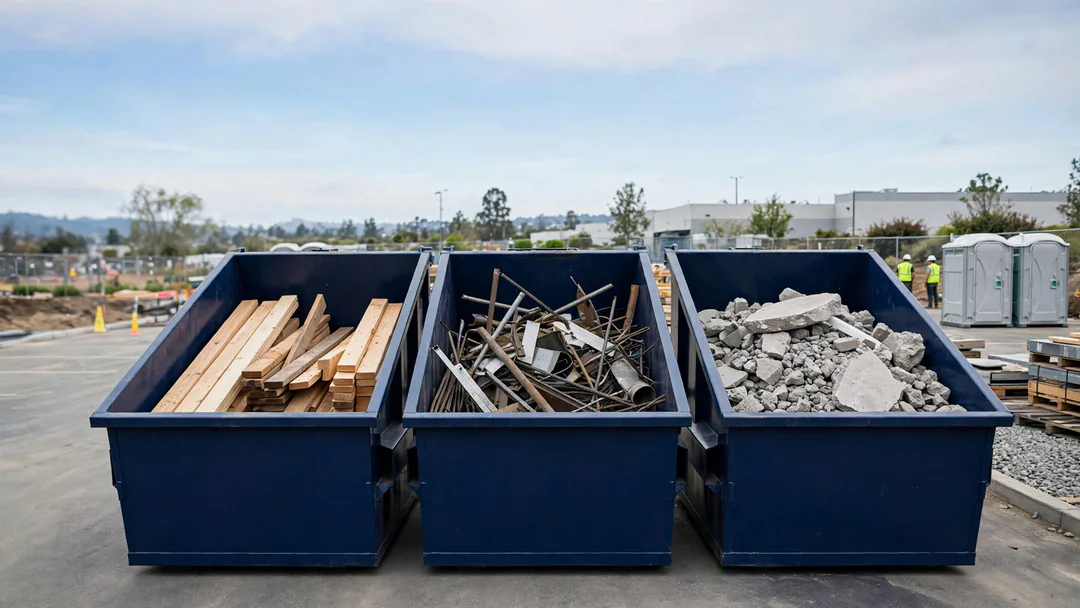
- Concrete, brick, and block, often handled separately because of weight
Matching container size to project phase
Debris volume changes as a project moves forward. Demolition and rough-in phases tend to produce dense, heavy waste. Framing and finish phases produce bulkier, lighter material. Some contractors start with a 20-yard during tear-out and switch to a 30 or 40 yard once framing begins. Discuss the schedule with your provider so they can recommend sizes for each phase rather than one box for the whole job.
Swap-outs and scheduled service
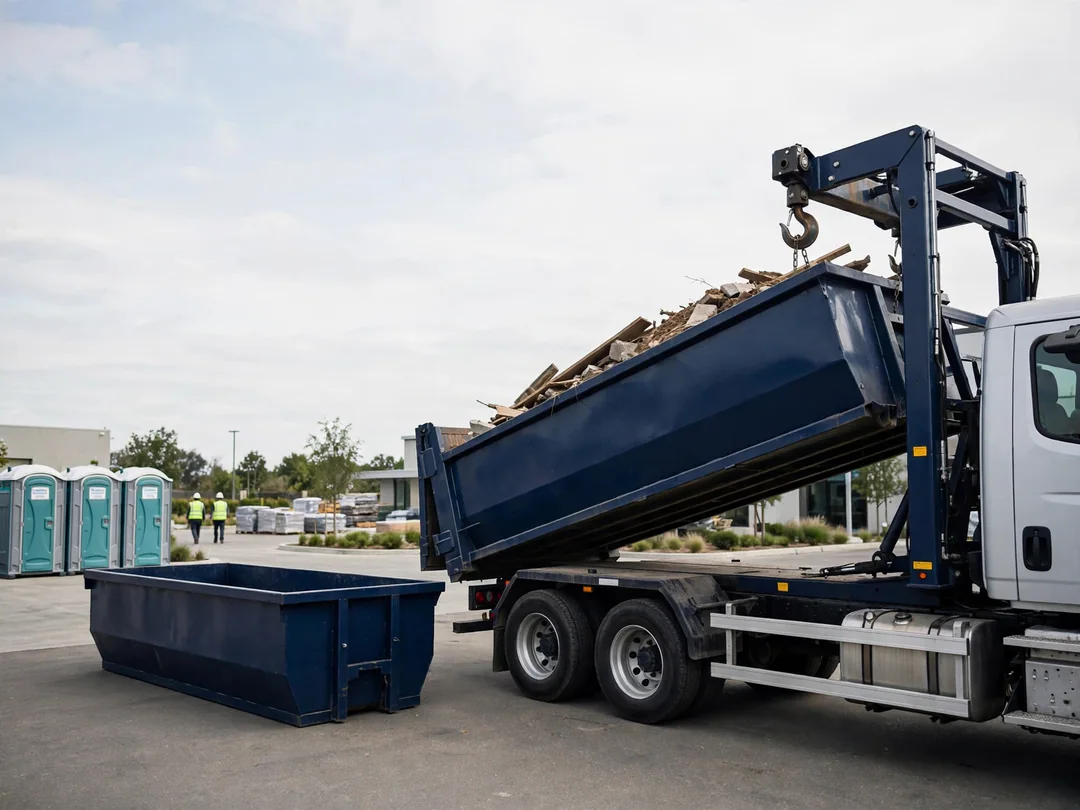
On active sites, a full container that sits waiting for pickup slows crews down. Many haulers offer swap-outs, where the driver removes the full box and leaves an empty one in the same trip. Some will set a recurring schedule for larger projects. Availability depends on the provider and local demand, so build swap timing into your site plan and confirm lead times early.
- Call for a swap before the box is overfilled, not after.
- Keep the access path clear on swap days so the truck can reach the container.
- Track how fast each phase fills a box to plan future orders.
Site placement and access
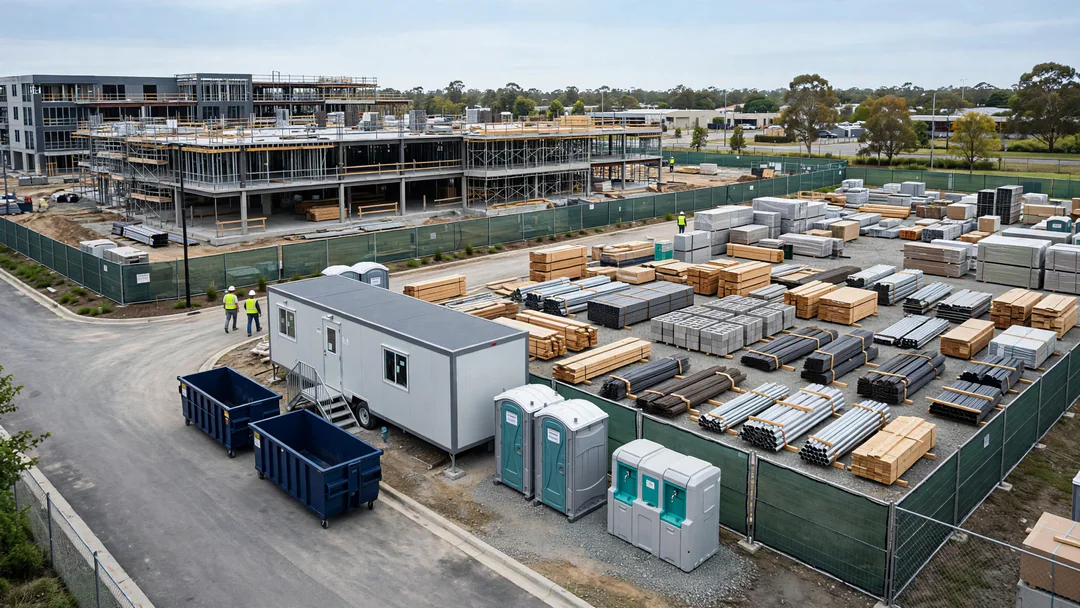
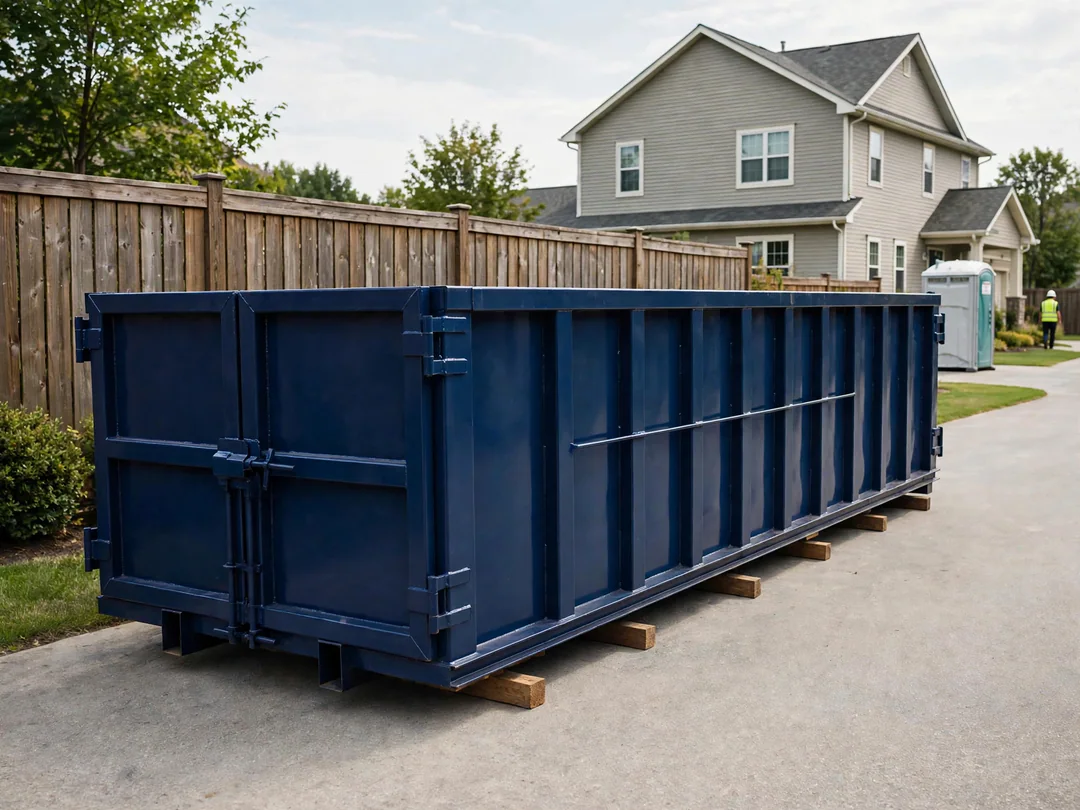
Plan container placement during site layout. The truck needs a straight approach, room to tilt its bed, and a firm base. Keep the container close enough to the work to limit carrying distance but out of the way of deliveries, equipment, and portable toilets. If the only option is a public street, your city may require a right-of-way permit; see our permit guide. Many sites also need restroom facilities, which we coordinate through our construction porta potty service.
Sorting and recycling C&D debris
Some jurisdictions and building programs require or reward diverting construction waste from landfills. Separating clean wood, metal, cardboard, and concrete can make materials eligible for recycling and sometimes simplifies disposal. Whether this is practical depends on the local facilities your hauler uses. Our guide to construction debris recycling covers common approaches, and construction site waste management explains how to set up a site plan.
Weight, overfilling, and prohibited items
Mixed C&D loads can get heavy quickly, especially with plaster, tile, or wet lumber. Quotes typically include a weight allowance, and the hauler charges for overages based on the scale ticket. Loads must stay level with the top of the walls for safe transport. Paint, solvents, adhesives, and other hazardous products are commonly restricted. Confirm the provider's rules and see dumpster weight limits before loading heavy debris.
Frequently asked questions
Can I put concrete in a construction dumpster?
Small amounts mixed with other debris may be allowed, but many haulers want concrete in a separate, smaller container because of weight. See concrete dumpster rental.
How quickly can I get a swap?
Turnaround depends on the hauler's schedule and demand. Some can swap the same or next business day. Ask about lead times when you set up service.
Do I need a permit for a job site dumpster?
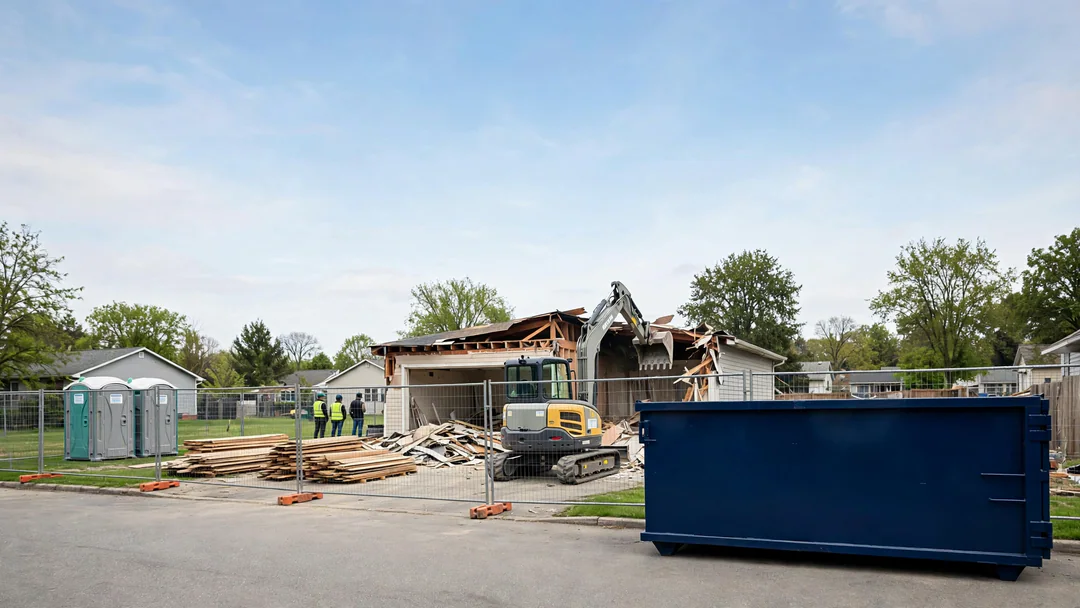
Not usually if the container sits on the private lot. Placement on a street or sidewalk often requires a permit from the city or county. Check local rules.
Can one hauler cover multiple job sites?
Often yes, if the sites fall within that provider's service area. Share all addresses so we can match you with a hauler that covers them.
Is construction debris accepted at every landfill?
Not always. Some facilities specialize in C&D material and others do not accept it. Your hauler routes loads to an appropriate facility.
Related pages
Ready to book a dumpster?
Share your ZIP code and project details. We will route it to an available provider near you.