
Local Regulations Guide
Do You Need a Permit for a Dumpster?
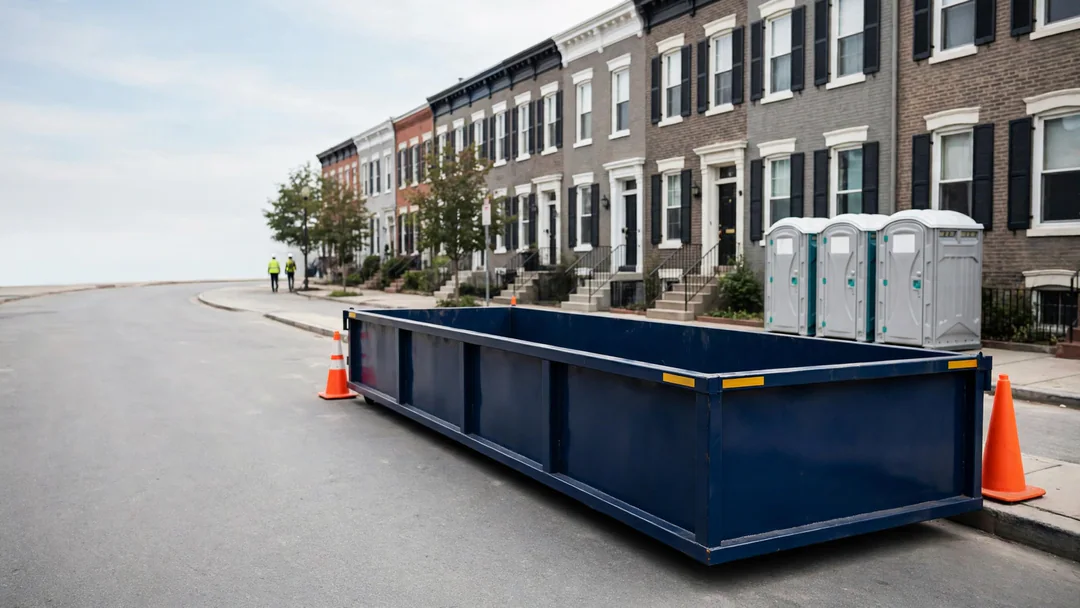
Permits depend on where the container sits. Private property often needs none; public streets and sidewalks usually do.
One quick call to a real person. You approve the price before anything ships.
- All 50 states + DC
- Price confirmed before delivery
- Pricing explained up front
Do you need a permit for a dumpster?
In many places, a dumpster placed entirely on private property, such as your driveway, does not need a city permit, while one placed on a public street, sidewalk, or alley usually does. Rules vary widely by city and county, and HOAs may add their own limits, so confirm with your local public works or permit office before delivery.
Private property versus the public right-of-way
The single biggest factor is placement. Cities generally regulate the public right-of-way: streets, curbs, sidewalks, parkways, and some alleys. A container that blocks part of that space can affect traffic, parking, drainage, and pedestrian access, so many municipalities require a permit and set conditions for it.
Driveways and private lots are a different story. Many cities do not require a permit for a container that sits fully on private land, though some still regulate how long it can stay, whether it must be screened, or how close it can be to a property line. A few dense cities regulate containers more broadly. Because there is no national rule, always check the local code.
Who usually applies for the permit
Responsibility varies. In some areas the hauler pulls the permit as part of the service; in others the property owner or contractor must apply. Even when a hauler offers to handle it, the permit holder is usually the one responsible for meeting its conditions. Ask your provider how it works locally and who is named on the permit.
What a permit application typically asks for
Requirements differ by jurisdiction, but applications commonly request:
- The address and exact placement location, sometimes with a simple site sketch
- Container dimensions and the planned start and end dates
- The hauler or contractor name and contact information
- Proof of insurance, often from the hauler
- Safety measures such as reflectors, cones, or lights for street placements
- A fee, which may be flat or based on the number of days
Common permit conditions
Approved permits often come with rules attached. Typical examples include keeping the container a set distance from fire hydrants and intersections, not blocking crosswalks or curb ramps, marking the container for night visibility, protecting the street surface, and removing the container by the permit end date. Some cities restrict containers during street sweeping, snow emergencies, or special events. Breaking these conditions can lead to fines or forced removal, so read the permit carefully.
HOAs, landlords, and historic districts
Even without a city permit, private rules may apply. Homeowners associations often limit how many days a container can be visible, require advance notice, or restrict placement to the driveway. Landlords and property managers may require approval and proof of insurance. Historic districts sometimes have extra review for anything placed on a public frontage. Check these before the delivery date so the container does not have to move.
How to plan permits without delaying your project
Permits can take anywhere from same-day approval to a longer review, depending on the city. Start early. See how to prepare your driveway if you are avoiding street placement.
- Decide on placement first
If a driveway or private lot works, you may avoid a permit entirely. Our guide to preparing a driveway for a dumpster helps you check space and surface.
- Contact the local permit office
Public works, transportation, or the building department usually handles right-of-way permits. Ask about lead time, fees, and duration limits.
- Ask your provider
Local haulers often know the process and whether they file on your behalf.
- Match dates to the permit
Book delivery and pickup within the permit window, and leave a buffer for weather delays.
- Keep the permit on hand
Some cities require the permit to be posted on the container or available on request.
Permits and rental length
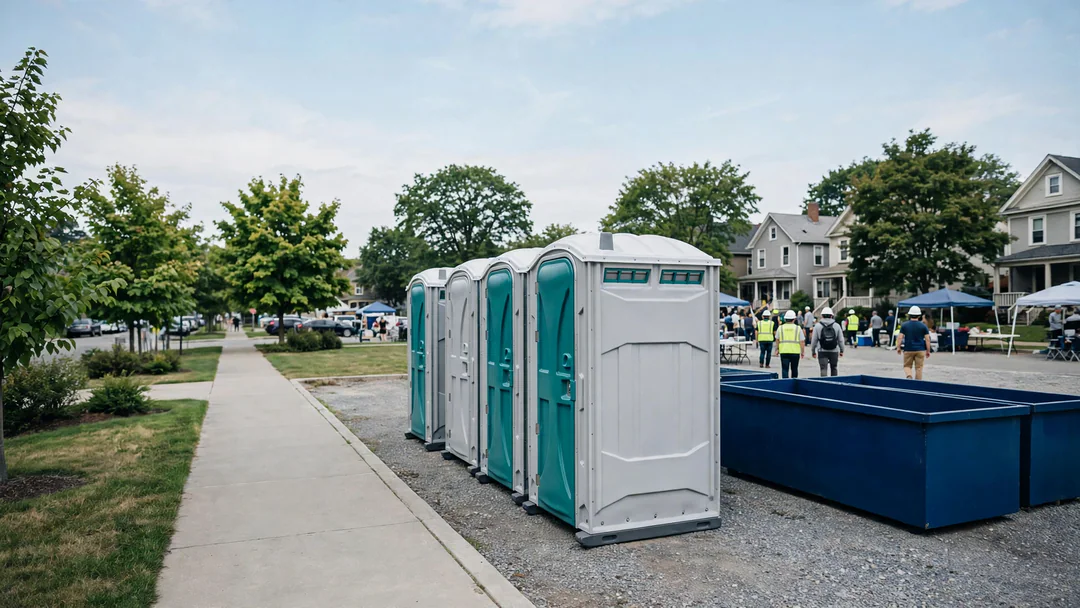
A street permit can cap your rental period even when the hauler would allow more time. If your project may run long, ask the city whether permits can be renewed, and read our guide on how long you can rent a dumpster. Event and sanitation units can have separate rules, covered in portable toilet permits.
Get help with placement and booking
When placement is settled, compare residential dumpsters or construction dumpsters, review how booking works, and find providers near you on the locations page.
Frequently asked questions
Do I need a permit to put a dumpster in my driveway?
In many cities, no, because a driveway is private property. Some municipalities and many HOAs still set rules on duration or placement, so a quick check with the city and your association is worthwhile.
Will the dumpster company get the permit for me?
Some haulers handle permits as part of their service and others leave it to the customer. Ask your provider how it works in your area and confirm who is responsible for following the permit conditions.
How long does it take to get a dumpster permit?
It varies by city. Some issue right-of-way permits quickly, sometimes online, while others need several business days or more. Apply as early as you can and schedule delivery after approval.
What happens if I place a dumpster on the street without a permit?
Cities that require permits may issue fines, require the container to be moved, or remove it. The responsible party varies, so it is safest to confirm requirements before delivery.
Does a permit cover portable toilets too?
Not necessarily. Portable toilets on public property or at events may need separate approval. See our portable toilet permits guide for typical requirements.
Related pages
Ready to book a dumpster?
Whatever the project, start with your ZIP code. We will check provider availability for your dates.