Hygiene Add-Ons
Portable Hand Washing Station Rental
Sanitizer is not the same as washing with soap and water. Portable hand washing stations bring real sinks to events, food service areas and worksites that have no plumbing.
One quick call to a real person. You approve the price before anything ships.
- All 50 states + DC
- Price confirmed before delivery
- Pricing explained up front
- 50 + DCStates served
- ADAAccessible units available
- WeeklyTypical servicing for job sites
- 1 day+Event to long-term rentals
What is a portable hand washing station?
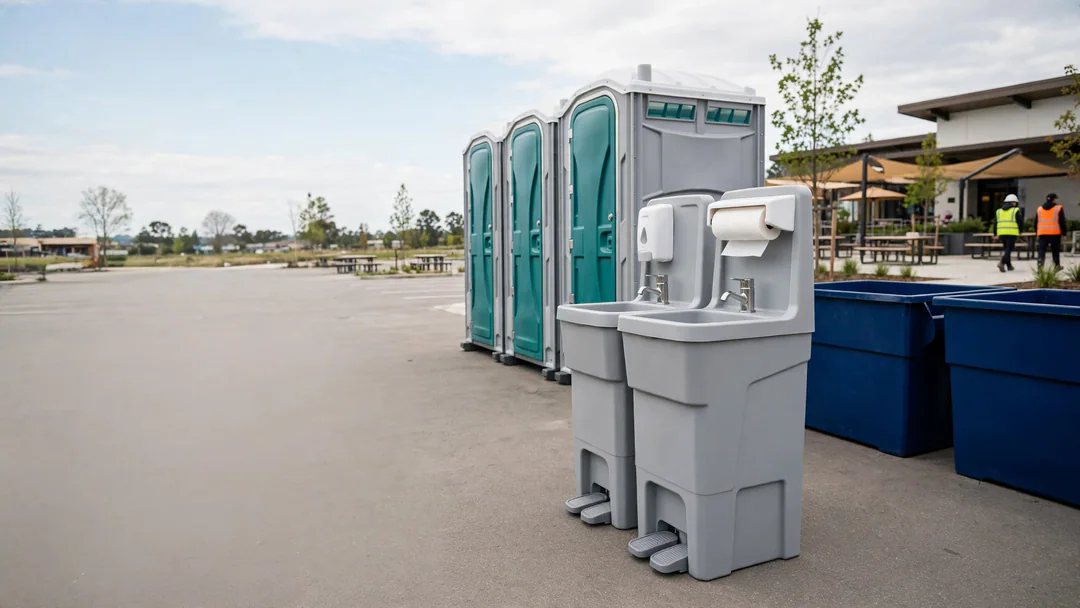
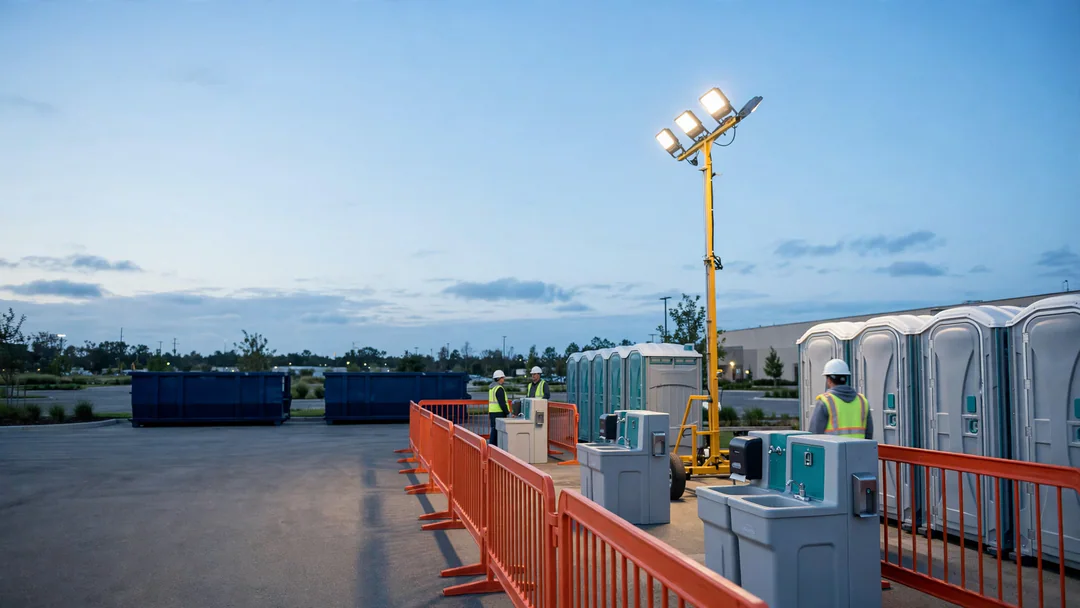
A portable hand washing station is a freestanding unit with one or more sinks, a fresh water tank, a gray water tank, a foot or hand pump, soap and paper towel dispensers. It needs no plumbing or power on most models. Providers deliver it, refill water and soap, empty gray water and restock towels on a schedule. Features vary by provider.
Why soap and water still matter
Hand sanitizer is convenient, but it does not remove dirt, grease or every kind of germ, and it does not work well on visibly soiled hands. At events with food, at petting zoos and farms, and on jobsites where workers handle materials all day, a real sink makes a meaningful difference to hygiene and comfort.
Many local health departments require hand washing near food vendors at events, and some worksites require it for specific types of work. Rules vary, so check with the health department or project safety plan for your situation.
Types of stations
Providers typically carry several types. Availability and exact features vary by provider and location.
| Type | How it works | Good fit |
|---|---|---|
| Single-sink station | Foot pump, one basin, soap and towels | Small events, food booths, jobsite break areas |
| Double-sided station | Two or more basins, often back to back | Busy restroom banks, festivals |
| Hot water station | Heated water, usually needs power or propane | Food service, cold weather, healthcare settings |
| Sink built into a unit | Small sink inside a deluxe portable toilet | Guest-facing events with lighter use |
Where to place hand washing
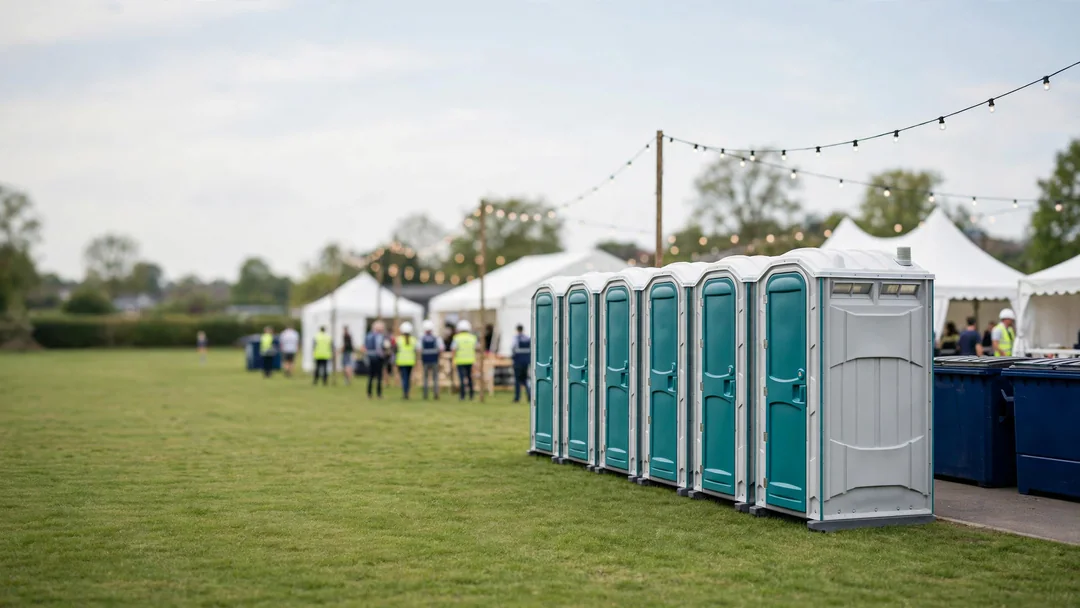
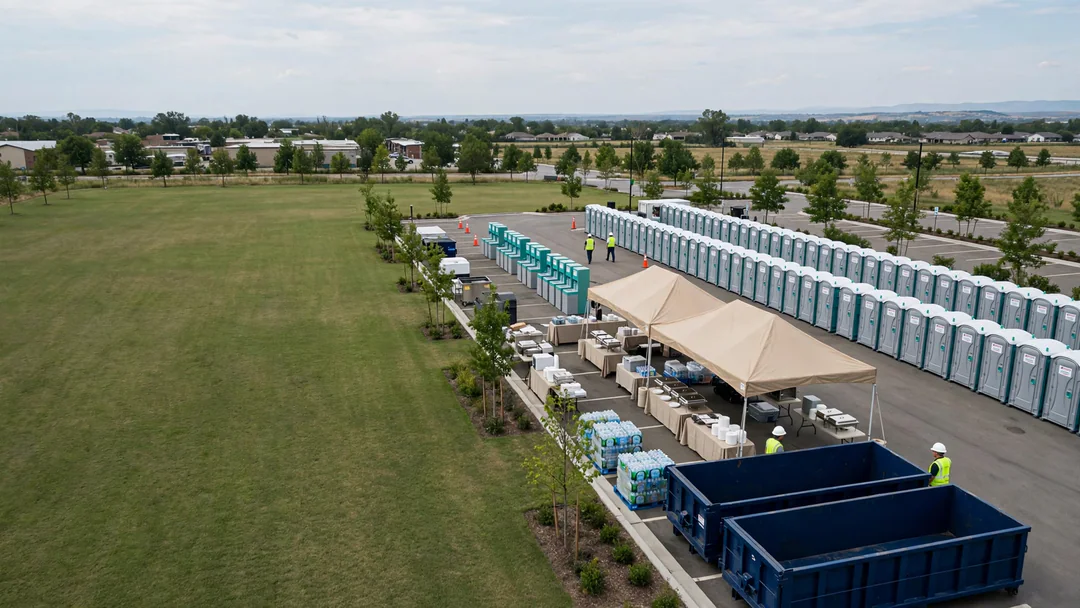
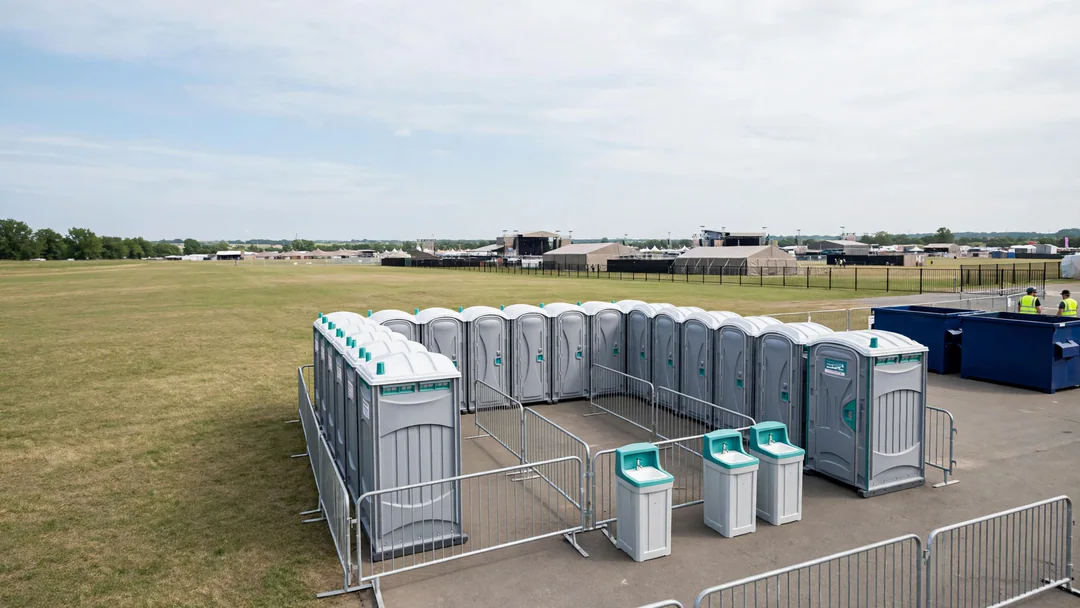
Put stations where people will use them without thinking. At events, that means beside each restroom bank and near food vendors and dining areas. On jobsites, place them next to the toilets and the break area. Make sure each station sits on level ground, with room to stand in front and a path for the service truck to refill water.
- Next to every restroom bank
- Near food vendors and eating areas
- At animal exhibits or petting zoos
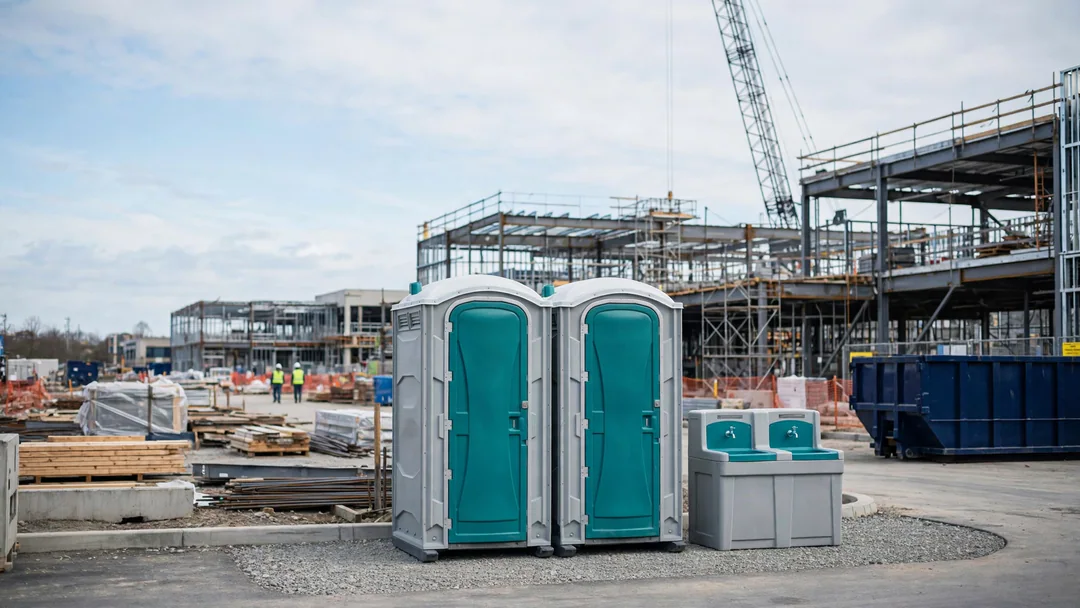
- Beside jobsite break areas
- On level ground with standing room
- Within reach of the service truck
How many stations to plan
There is no single national formula for events. A practical rule of thumb is one station per restroom bank, plus additional stations at food areas. For long or busy events, add stations so lines stay short. Health department or venue requirements override any rule of thumb, so confirm locally. Our quantity guide covers overall restroom planning.
Servicing and capacity
Each station has a limited fresh water tank and a gray water tank. On busy days, the fresh water runs out faster than you might expect. For multi-day events and long-term jobsite rentals, providers refill water, empty gray water, replace soap and restock towels on a set schedule, often the same visits as toilet service. Ask the provider about tank size and how many uses it typically supports between service visits.
In cold weather, water lines and pumps can freeze. Some providers offer heated stations or winter procedures; see our winter rental guide.
Hand washing stations rarely stand alone. They are usually ordered with event porta potties or construction units. Ordering them together means a single delivery and service schedule, which keeps things simple and helps the provider plan water capacity across the whole site.
Common hand washing mistakes
A station only works if it is stocked and easy to use. These are the problems we see most often when organizers plan hand washing as an afterthought.
- Ordering toilets without any hand washing at a food event.
- Placing one station far from the restrooms, so people skip it.
- Running out of water or towels halfway through a busy day.
- Setting stations on soft ground that turns muddy around the basin.
- Forgetting trash cans for used paper towels.
- Not planning for freezing temperatures on early-morning or winter events.
Who typically rents hand washing stations
Event organizers are the most common renters, but they are far from the only ones. Farmers markets and fairs add stations for vendors and visitors. Construction contractors place them near break areas so crews can wash up before eating. Agricultural operations use them during harvest. Facilities dealing with a plumbing outage use them as a temporary replacement for restroom sinks. In each case, the planning questions are the same: how many people, how many hours, and how often can the provider service the units.
Requesting a quote
Prices vary by market and provider and we do not publish them. Share the number of stations, rental dates, expected users, whether you need hot water, and the placement surface. Mention any health department requirements so the provider can match the right station type. For other factors, see porta potty prices.
Hand Washing Stations FAQs
Do hand washing stations need a water hookup?
Most do not. They carry their own fresh water tank and gray water tank, which the provider refills and empties during service visits.
Do I need hand washing at my event?
If food is served, local health rules often require it. Even when not required, it improves hygiene. Check with your local health department.
Can I get hot water?
Some providers offer heated stations, which usually need power or propane. Ask about availability in your area.
How often are stations refilled?
Usually during each service visit. Busy events may need extra refills; ask the provider about tank size and plan accordingly.
Can stations be used in winter?
Yes, with precautions. Unheated stations can freeze, so ask your provider about heated models or cold-weather procedures.
Related pages
Need portable toilets on site?
Share your ZIP code and project details. We will route it to an available provider near you.