California · West
Dumpster & Porta Potty Rental in California
Plan a roll-off dumpster or portable toilet rental anywhere in California, with state-specific guidance on permits, disposal and seasons.
One quick call to a real person. You approve the price before anything ships.
- All 50 states + DC
- Price confirmed before delivery
- Pricing explained up front
Can I rent a dumpster or porta potty in California?
Yes. We coordinate roll-off dumpster and portable toilet rentals across California through independent local providers. Pricing, sizes and delivery windows depend on the provider serving your ZIP code, and permits are handled at the city or county level when equipment goes on a public street.
Dumpster and portable toilet rental in California
California has some of the most detailed waste rules in the country, so renting a dumpster or portable toilet here usually involves more planning than the container itself. Statewide building code requirements push construction projects to recycle debris, organics laws shape how green waste is handled, and many cities run their own franchise hauling systems.
Haul & Hygiene coordinates with independent haulers and sanitation providers in our network across the state, from dense coastal cities to Central Valley farm towns and mountain communities. Your provider handles delivery, swaps, and disposal, while we help you line up the right container, the right timing, and the questions to ask your city before the truck arrives. Start with our how it works overview if you are new to renting.
Dumpster rental in California: what to know
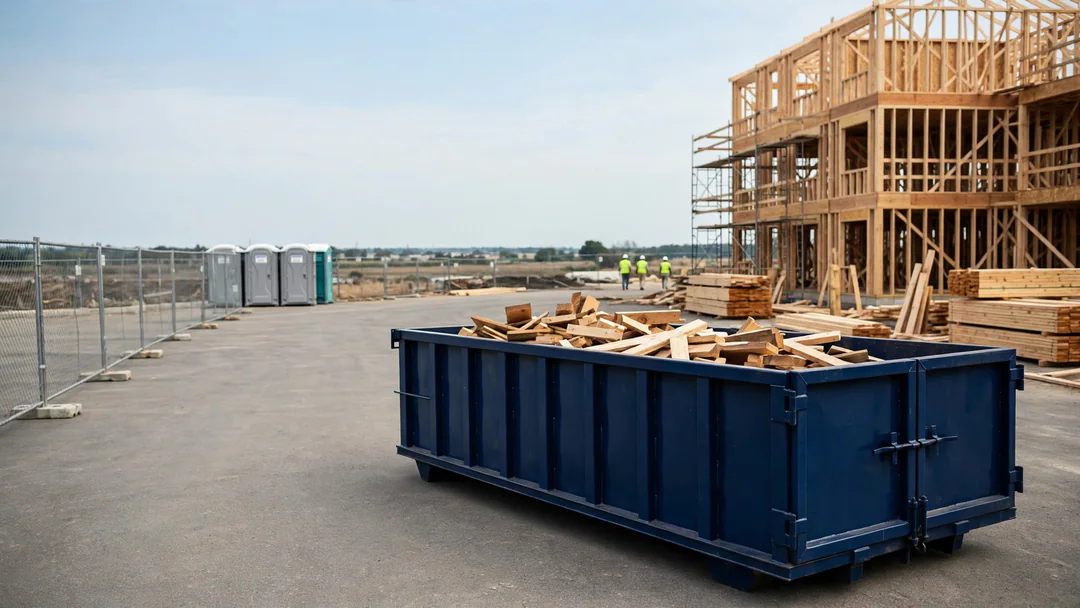
Size choice in California often comes down to space and sorting. Tight urban lots, narrow hillside streets, and shared driveways in cities like San Francisco and Los Angeles tend to favor smaller containers, such as 10- or 20-yard units, with more frequent swaps. Suburban remodels and inland new construction commonly use 20- to 40-yard roll-offs.
Because many projects must document diversion, separate containers for clean concrete, green waste, or metal can make recycling easier than one mixed load. Heavy materials usually go in smaller containers because of weight limits. After a wildfire, burned debris and ash can contain hazardous materials and may be handled through government-coordinated cleanup programs, so check with your county before ordering a standard dumpster. Sizes and rules vary by provider and location; see our dumpster size guide.
Portable toilet rental in California
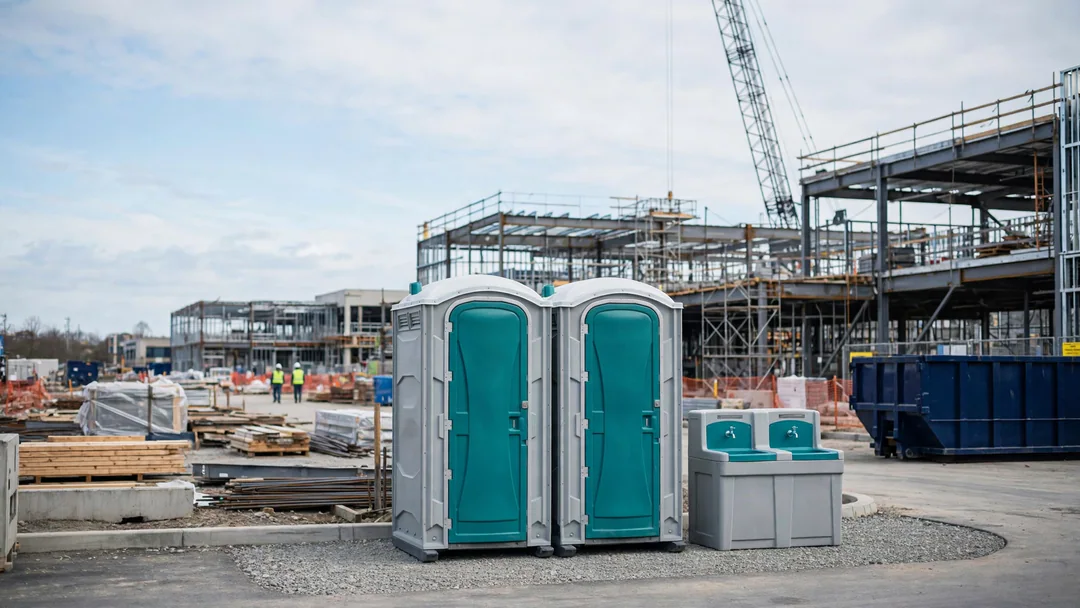
Portable toilet planning in California is shaped by heat, crowds, and access. On construction sites, federal OSHA standards and Cal/OSHA rules both apply to worker sanitation, and Cal/OSHA is generally known for detailed requirements, so confirm current rules for your project. Our jobsite toilet guide covers the federal baseline.
In hot inland areas, more frequent pumping and restocking helps keep units usable, and hand-washing stations are a common addition. Agricultural employers typically have their own field sanitation obligations. Events in public spaces usually need ADA-accessible units, and upscale venues often choose restroom trailers. Your provider can recommend unit counts and service intervals based on your crowd size, duration, and site.
Climate and seasonal considerations
California does not have one climate. Coastal areas from San Diego to the Bay Area stay mild most of the year, so roofing, remodeling, and event work can run nearly year-round. Inland valleys such as Sacramento, Fresno, and the Inland Empire get long, hot summers, which matters for portable toilets: plan more frequent servicing, shaded placement where possible, and enough hand-washing capacity for crews working in heat.
Winter storms bring heavy rain to much of the state and snow to the Sierra Nevada and other high elevations. Wet debris weighs more, which can push loads toward a container's weight allowance, and soft ground can make placement harder. Mountain deliveries may also depend on road and chain conditions. Fire season, typically peaking in late summer and fall, can affect access and outdoor burning restrictions in many regions.
Construction activity and common projects
Construction in California spans high-rise and infill housing in major metros, accessory dwelling units (ADUs) in single-family neighborhoods, seismic retrofits, solar installations, warehouse and logistics development inland, and agricultural facilities in the Central Valley.
The CALGreen code (Title 24, Part 11) sets construction waste requirements for covered projects, commonly requiring that at least 65% of nonhazardous construction and demolition debris be recycled or salvaged, documented through a waste management plan. Many cities add their own deposits, reporting systems, or stricter diversion targets. That makes source-separated containers, such as dedicated loads for concrete, metal, or wood, a practical choice on many jobs. Ask your provider what documentation they can supply, and see our construction debris recycling guide.
- ADU and garage conversion builds
- CALGreen-covered new construction
- Seismic retrofit projects
- Wildfire debris and rebuild work
- Kitchen and bath remodels
- Agricultural facility projects
- Solar and roofing replacements
- Festival and fair sanitation
Disposal rules and restricted materials
CalRecycle oversees solid waste and recycling statewide, while counties and cities manage local landfills, transfer stations, and hauler franchises. Senate Bill 1383 requires jurisdictions to reduce organic waste sent to landfills, so yard trimmings, wood, and food waste are increasingly routed to composting or other recovery rather than mixed disposal.
California treats many common items as universal or hazardous waste that cannot go in the trash, including household batteries, fluorescent lamps, many electronics, and items containing mercury. Treated wood, asbestos-containing materials, paint, and appliances with refrigerants also need special handling. Rules and accepted materials vary by facility, so confirm with your provider and your local jurisdiction. Our list of what you cannot put in a dumpster covers the general categories.
Permits in California
Permit rules in California are set locally and can be strict. A dumpster on your own driveway often needs no permit, but placing one on a street, sidewalk, or other public right-of-way usually requires a permit or encroachment approval from the city or county. Some cities only allow franchised haulers to provide roll-off service within city limits, which can limit which providers are eligible.
Construction permits may also tie in CALGreen waste plans, diversion reporting, or deposits that are refunded after you show recycling receipts. HOAs, coastal communities, and historic districts may add placement or screening rules. Requirements change, so confirm current rules with your city or county before scheduling delivery. Our dumpster permit guide and portable toilet permit guide explain the general process.
Event sanitation planning
Mild weather gives much of California a long outdoor event season. Coastal cities host events across most of the year, while inland areas tend to schedule around summer heat. Common event types include music festivals, county and state fairs, farmers markets, wine country weddings and harvest events, beach gatherings, film shoots, marathons, and community street fairs.
Event permits often require a sanitation plan, accessible units, and hand-washing stations, and some venues or parks set their own restroom requirements. For desert or inland summer events, plan extra servicing and placement that keeps units out of direct heat when possible. See our festival restroom and wedding restroom pages, plus the event sanitation checklist for planning steps.
Cities in California
- Los Angeles
- San Diego
- San Jose
- San Francisco
- Sacramento
- Fresno
- Long Beach
- Oakland
- Bakersfield
- Riverside
Major metro areas: Los Angeles–Long Beach–Anaheim · San Francisco–Oakland–Berkeley · San Diego–Chula Vista–Carlsbad · Riverside–San Bernardino–Ontario · Sacramento–Roseville–Folsom · San Jose–Sunnyvale–Santa Clara · Fresno
Services in California
California rental FAQs
Does CALGreen affect my dumpster rental?
It can. CALGreen commonly requires covered construction projects to recycle or salvage at least 65% of nonhazardous construction and demolition debris and to document it. Your building department will tell you whether your project is covered. If it is, ask your provider about separated loads and disposal receipts.
Do I need a permit for a dumpster in California?
It depends on the city. Containers on private property often need no permit, while street or sidewalk placement usually requires a right-of-way or encroachment permit. Some cities also restrict roll-off service to franchised haulers. Confirm with your city or county before delivery.
Can I put yard waste in a dumpster in California?
Many facilities prefer or require green waste to be kept separate because of SB 1383 organics rules. Some providers offer dedicated yard waste containers. Ask your provider how green waste is handled locally before mixing it with other debris.
Can I use a regular dumpster for wildfire debris?
Often not right away. Burned structures can leave ash and debris containing hazardous materials, and after major fires counties and state agencies have coordinated cleanup programs. Check with your county about required steps before ordering a standard container.
What items are banned from the trash in California?
Common examples include household batteries, fluorescent lamps, many electronics, mercury-containing items, paint, and other hazardous waste. Appliances with refrigerants and treated wood need special handling. Your provider and local jurisdiction can confirm what is accepted.
How often should portable toilets be serviced in hot inland areas?
There is no single rule, but heat and heavy use usually call for more frequent service than coastal sites. Your provider can recommend a schedule based on crew size, hours, and temperature, and can add hand-washing stations.
Sources and official resources
Neighboring states
Ready to book a dumpster?
Planning a project in California? Share your ZIP code and dates to check provider availability.