
Local Regulations Guide
Do You Need a Permit for a Portable Toilet?
Most private, short-term placements need no special permit, but events, public property, and some jurisdictions add requirements.
One quick call to a real person. You approve the price before anything ships.
- All 50 states + DC
- Price confirmed before delivery
- Pricing explained up front
Do you need a permit for a portable toilet?
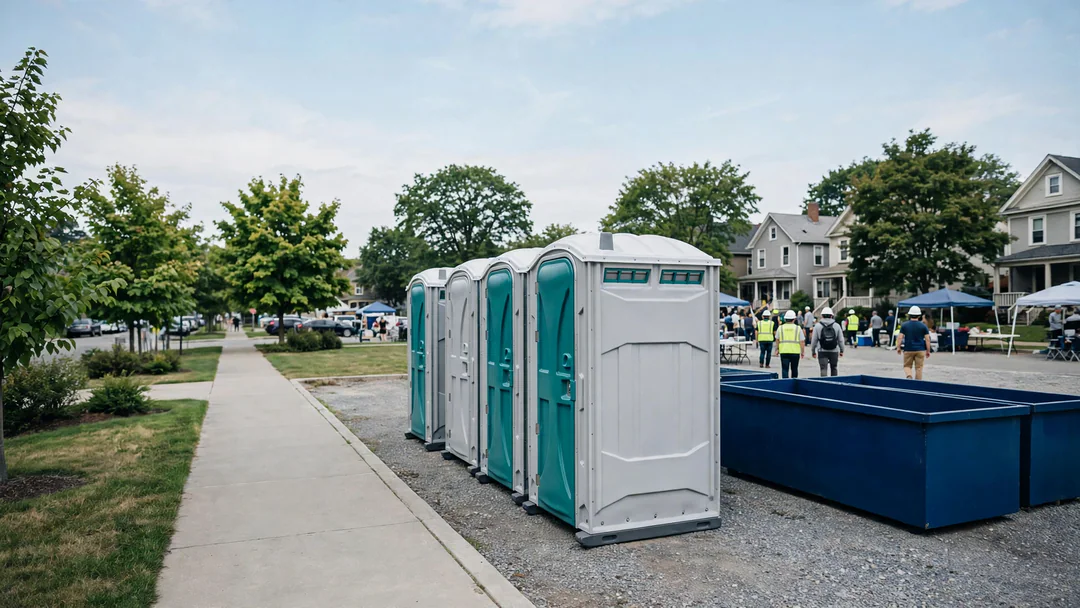
A portable toilet on private property for a construction project or private gathering often needs no separate permit, though it may fall under the building or event permit. Units on public streets, sidewalks, or parks, and those serving public events, frequently require approval from the city, parks department, or health department. Requirements vary, so confirm locally.
Why portable toilet rules vary so much
No single national permit covers portable toilets. Instead, several agencies may have a say depending on the situation: the city or county for anything placed in the public right-of-way, a parks department for public land, a local health department for events that serve food or draw crowds, and a building department when sanitation is part of a construction permit. Private rules from HOAs, landlords, and venues sit on top of that.
Because each agency looks at a different concern, from traffic to public health, the same rental can need no paperwork in one town and two approvals in the next.
Common situations and what typically applies
The table shows common patterns, not rules. Your local requirements may differ.
| Situation | What often applies | Who to ask |
|---|---|---|
| Unit on a private construction site | Often covered by the building permit; OSHA sanitation rules apply to employers | Building department, general contractor |
| Private party on private land | Often no permit for the toilet itself | City or HOA if unsure |
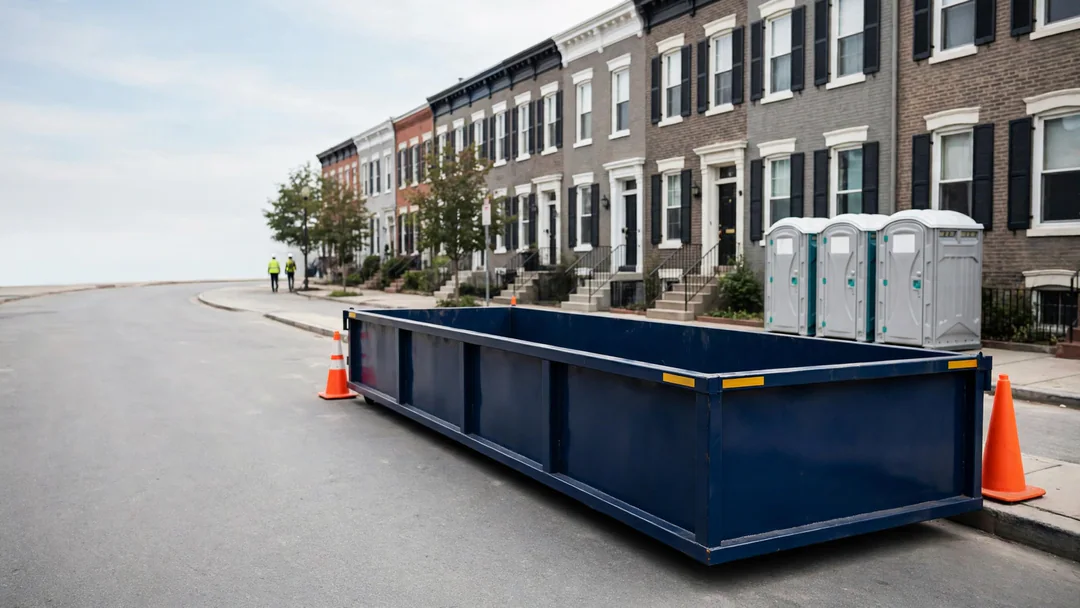
| Unit placed on a street or sidewalk | Right-of-way or encroachment permit is common | Public works or transportation department |
| Public event or festival | Event or special-use permit, sometimes with a sanitation plan | City events office, health department |
| Park or public land | Special-use permit from the land manager | Parks department or agency |
Event permits and sanitation plans
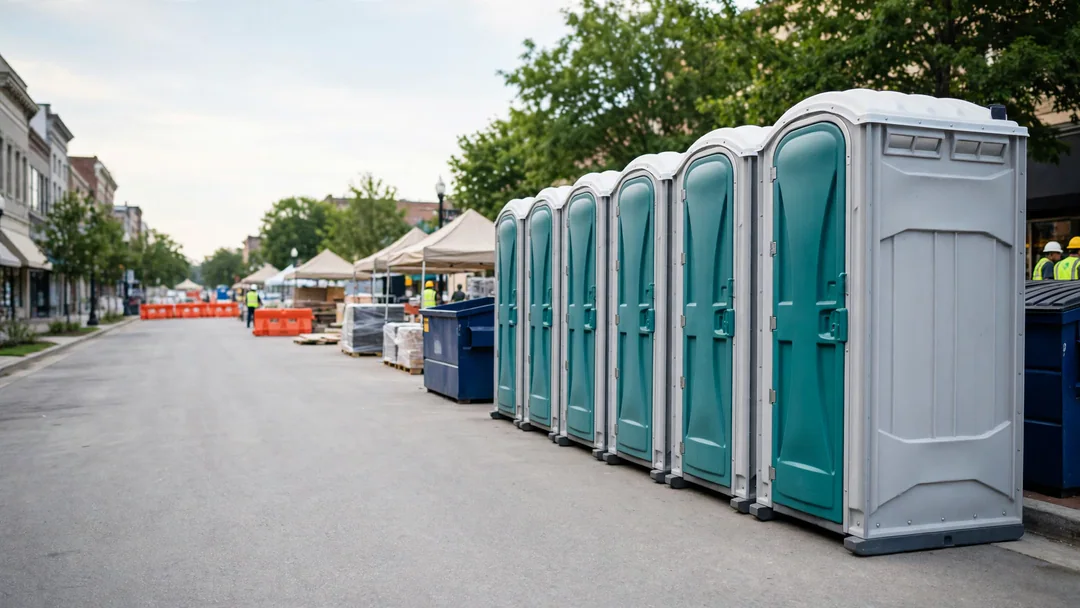
Public events are where portable toilet requirements show up most often. A city or county event permit may ask how many restrooms you plan to provide, where they will sit, how accessible units will be included, and how servicing will happen during the event. Health departments that oversee temporary food service may also want handwashing stations near food areas.
Plan the restroom layout early, since it affects site maps, emergency access lanes, and vendor placement. Our event sanitation checklist walks through the planning steps, and the municipal events page covers city-run gatherings.
Accessibility expectations
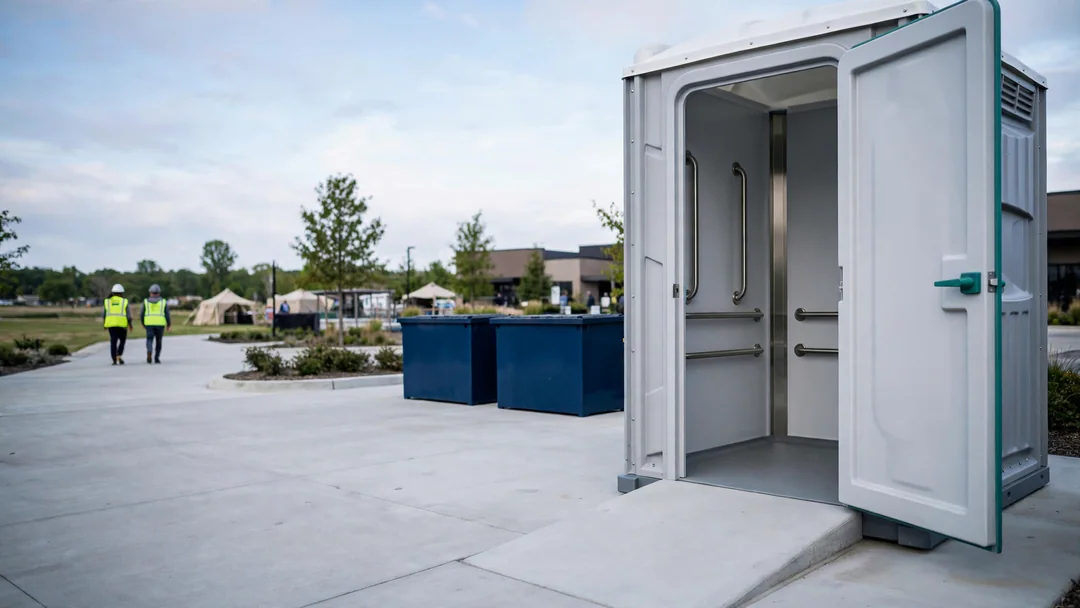
When restrooms are provided for the public, accessible units are generally expected. The 2010 ADA Standards for Accessible Design include scoping provisions for portable toilets and clusters of units, and many event permits ask about accessible restroom counts and routes. Requirements depend on the setting, so confirm with the permitting agency. See ADA portable toilets for unit features.
Construction sites
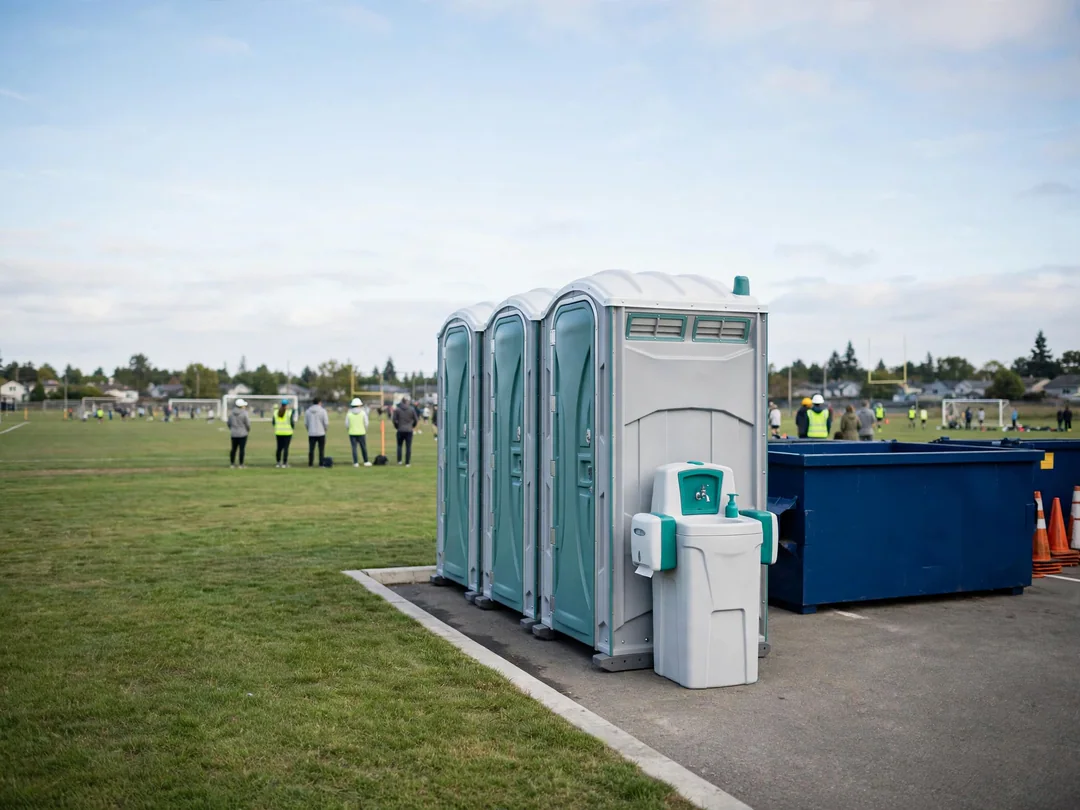
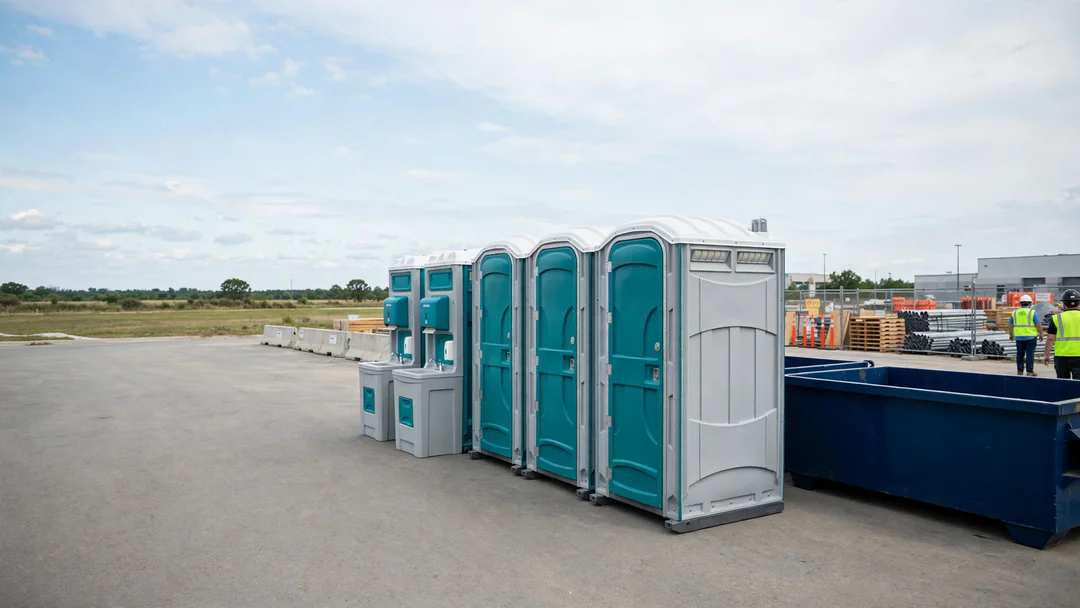
On construction sites, the key rule usually is not a permit but the employer obligation to provide toilets. Federal OSHA standard 29 CFR 1926.51(c) sets minimum toilet facilities based on the number of employees. Some building departments also check for sanitation during inspections. Our guide to OSHA jobsite toilet requirements covers the details.
Placement rules that come with approval
When a permit is issued, it often includes placement conditions. Typical examples:
- Keep units on a level, stable surface and anchored or staked in windy locations
- Leave clear access for the service truck on its scheduled visits
- Stay clear of fire lanes, hydrants, curb ramps, and building exits
- Maintain an accessible route to at least one accessible unit where required
- Remove units by the permit end date
How to check requirements
- Identify the land type
Private property, public right-of-way, or public land each point to different agencies.
- Check your existing permits
Building or event permits may already address sanitation.
- Call the local office
Ask whether a separate approval is required, the lead time, and any fees.
- Talk to your provider
Local sanitation providers often know what agencies ask for and can supply unit specs.
Timing and lead time
Approvals that involve more than one agency can take longer than a single right-of-way permit. Event organizers commonly start the restroom conversation when they apply for the event permit itself, because the sanitation layout often appears on the site plan. Leave time for revisions if an agency asks for more units, a different location, or added handwashing. Booking units early also helps during busy seasons, when local providers may have limited inventory of accessible units and trailers.
Plan your portable restrooms
Once you know the rules, compare event porta potties, construction porta potties, or hand washing stations, and find coverage on the locations page. For containers, see our dumpster permits guide.
Portable Toilet Permits FAQs
Do I need a permit for a porta potty at a backyard party?
Usually not for a unit on your own property, but HOA rules or local ordinances can apply. If the unit will sit at the curb or on a shared space, ask the city first.
Who gets the permit, me or the rental company?
It varies. Event organizers and property owners usually hold event or right-of-way permits, though some providers help with paperwork. Confirm who is responsible before you book.
Does the health department regulate portable toilets?
In many areas, health departments oversee sanitation at temporary events, especially where food is served. Some also regulate how waste is handled. Check with your local health department for event rules.
Are accessible units required at events?
Accessible units are generally expected where restrooms are provided to the public, and many permits ask about them. Confirm the required number with the agency issuing your event permit.
Can a portable toilet be placed on the sidewalk?
Sometimes, with a right-of-way permit and conditions that keep the path accessible. Many cities prefer private placement when possible.
Related pages
Ready to book a dumpster?
Whatever the project, start with your ZIP code. We will check provider availability for your dates.