
Dumpster Rental Guide
Dumpster Weight Limits Explained
Volume tells you how much fits. Weight tells you what you will pay and whether the truck can legally haul it.
One quick call to a real person. You approve the price before anything ships.
- All 50 states + DC
- Price confirmed before delivery
- Pricing explained up front
How do dumpster weight limits work?
Most dumpster quotes include a weight allowance. The hauler weighs the load at the disposal facility, and anything over the allowance is usually billed per ton. Separately, every container and truck has a maximum safe and legal load, so dense debris like concrete or soil may need a smaller container or a fill-line limit. Allowances vary by provider and location.
Two different limits: the allowance and the maximum
People often mix up two numbers. The first is the weight allowance in your quote, the tonnage included in the base price before extra charges apply. The second is the maximum load, the most the container, the truck, and the road can safely and legally handle.
You can exceed the allowance and simply pay more. You cannot safely exceed the maximum. If a container is too heavy, the driver may refuse to lift it and ask you to remove material, which can mean a wasted trip. Both numbers are set by your hauler and depend on its equipment and local road rules.
How the load gets weighed
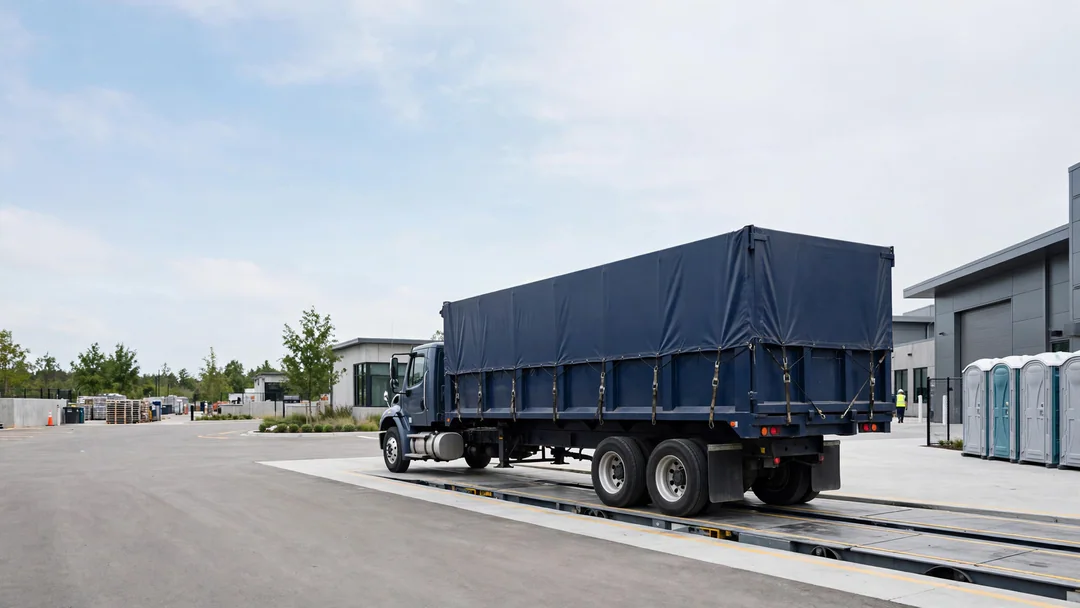
After pickup, the hauler drives the container to a landfill, transfer station, or recycling facility. Most facilities weigh trucks on a scale on the way in and out, and the difference is the weight of your debris. That ticket is usually what the hauler uses to calculate any overage. If you want to see it, ask your provider whether they share scale tickets with customers.
Materials that get heavy fast
Volume and weight do not track together. A container full of furniture can weigh far less than one partly filled with roofing shingles. These materials are the usual culprits:
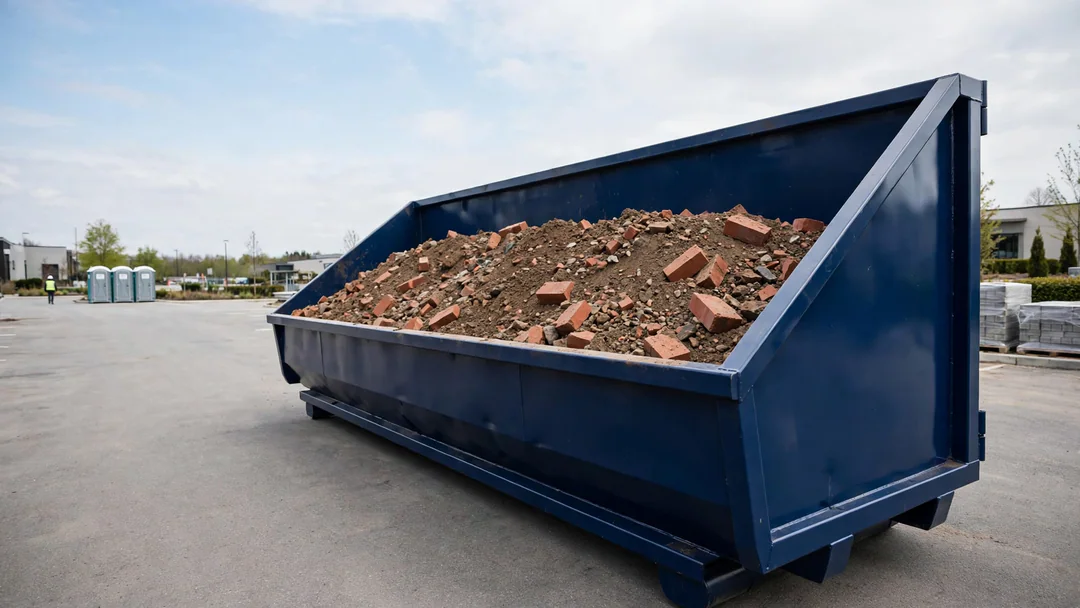
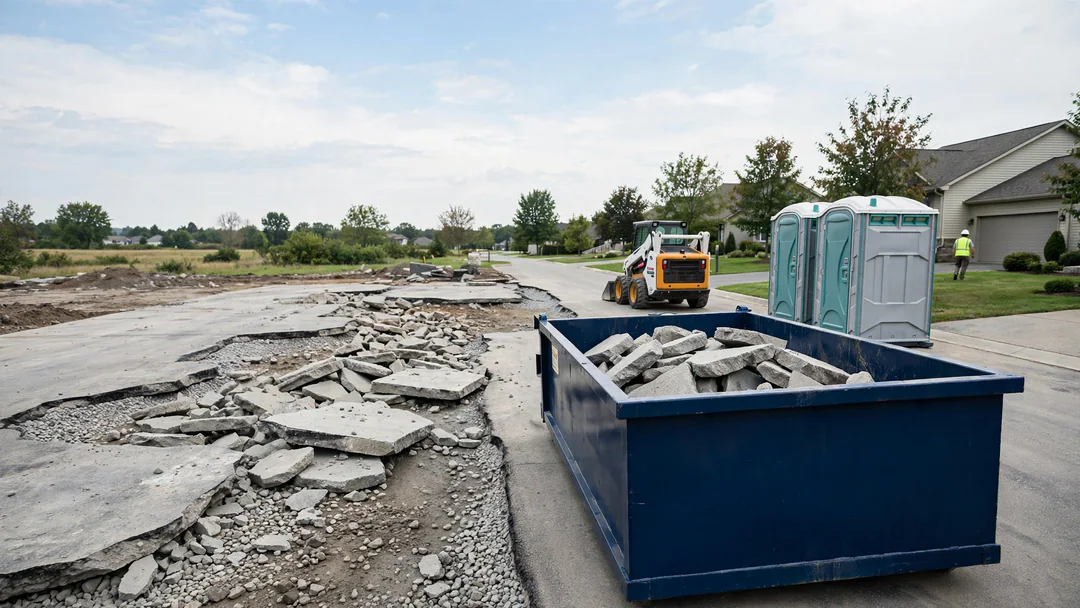
- Concrete, brick, and asphalt. Very dense; many haulers require a dedicated container. See concrete dumpster rental.
- Dirt, gravel, and sod. Often handled like concrete, with fill limits.
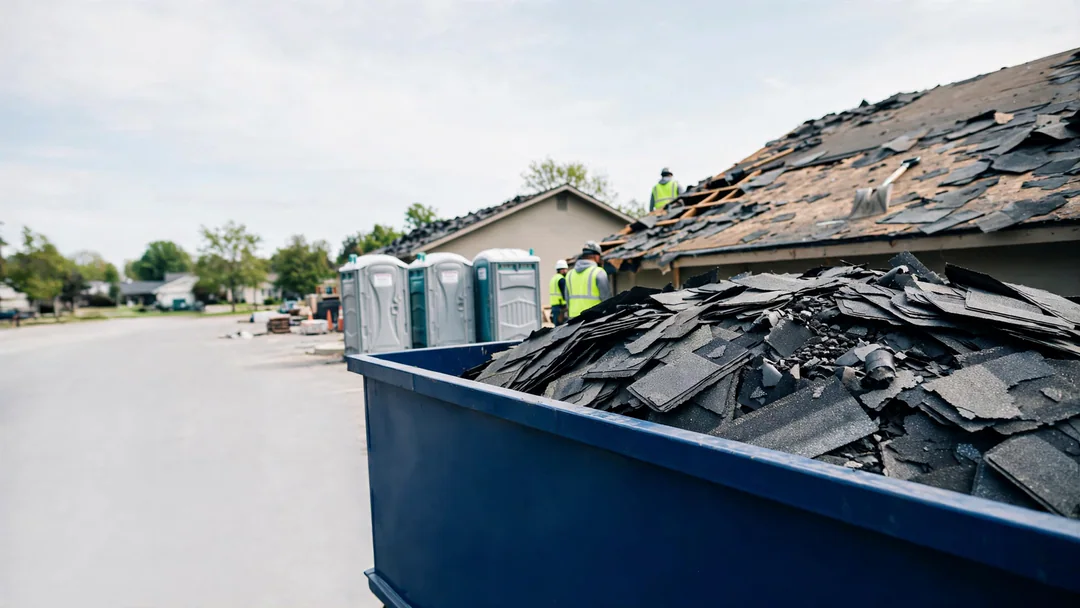
- Asphalt shingles. Heavy, especially with multiple layers. See roofing dumpster rental.
- Plaster and tile. Bathroom and kitchen tear-outs add up quickly.
- Wet material. Rain-soaked drywall, carpet, and yard waste weigh more than dry.
Why heavy debris often goes in a smaller container
It may sound backward, but haulers often put concrete or soil in a smaller container. A large container filled with dense material can exceed what the truck can lift. Smaller containers, or a fill line partway up the side, keep the load within limits. Clean loads of a single heavy material may also go to a recycler rather than a landfill. For choosing capacity in general, see dumpster sizes; this guide focuses on weight.
How to stay within your allowance
- Describe your debris honestly
Tell the provider exactly what is going in so they can quote the right allowance and container.
- Separate heavy materials
Concrete, dirt, and brick may be cheaper to haul separately, or to a recycler.
- Keep it dry
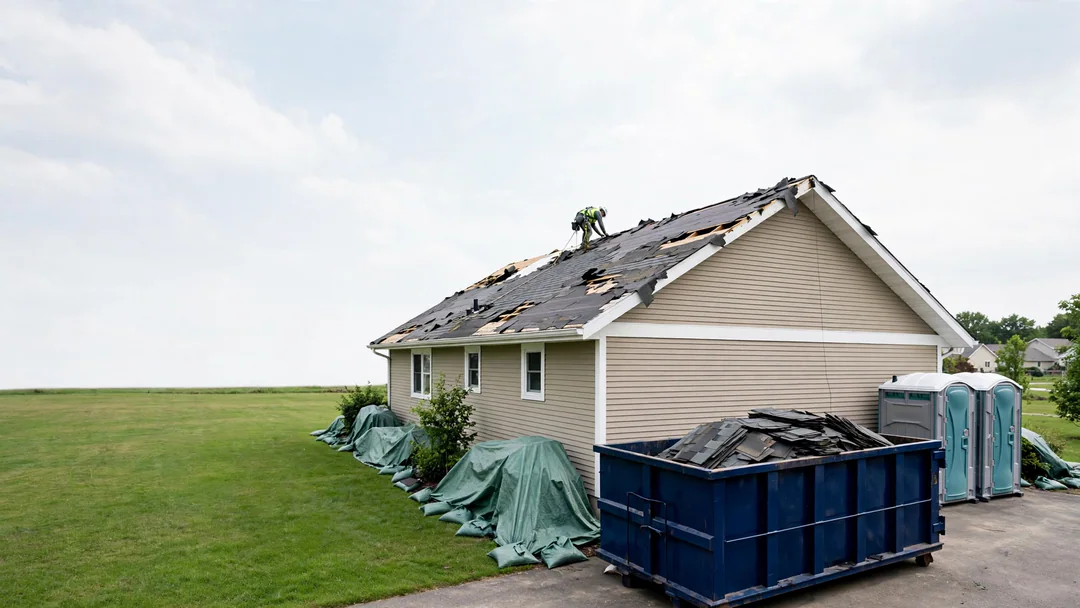
Cover the container with a tarp when rain is forecast.
- Load evenly
Distribute heavy items across the floor rather than piling them at one end.
- Respect the fill line
Do not load above the top edge or past any marked line.
Questions to ask about weight
Clear answers make quotes comparable. Our pricing guides explain how quotes are structured, and the dumpster prices page covers cost factors.
- What weight allowance is included in this quote?
- How are overages billed, and is it per ton or per partial ton?
- Is there a maximum load or fill line for heavy materials?
- Do you offer a separate rate for clean concrete or soil?
- Will I see the scale ticket?
Weight and road safety
Haulers must also follow state and local vehicle weight limits on roads and bridges. These limits are why a driver may refuse an overloaded container even if you are willing to pay more. They also explain why some residential streets or older driveways cannot take the heaviest loads; see how to prepare your driveway.
Mixed loads and sorting on site
Mixed debris is where weight surprises usually happen. A remodel that starts with light cabinets and trim can finish with heavy tile, plaster, and wet subfloor. Keep a rough log of what goes in, and if a heavy phase is coming, ask your provider whether a swap or a separate container makes more sense. Sorting clean wood, metal, and concrete can also open recycling options; see our construction debris recycling guide.
Book a container that fits your load
Ready to plan? Compare roll-off dumpsters, demolition dumpsters, and other options on our dumpster rental page, then check providers in your area on the locations page.
Frequently asked questions
What happens if my dumpster is over the weight limit?
If you exceed the allowance, most haulers bill an overage based on the scale ticket. If the container exceeds the safe maximum, the driver may refuse pickup until material is removed.
Is the weight allowance the same for every container?
No. Allowances vary by container, hauler, and local disposal costs. Ask each provider what is included so you can compare quotes fairly.
Can I put concrete in a regular dumpster?
Some haulers allow small amounts mixed with other debris, while others require a separate container for heavy materials. Ask before loading, since concrete can push a container over its limit quickly.
Does rain really affect the weight?
Yes. Absorbent materials like drywall, carpet, insulation, and yard waste hold water. Covering the container helps keep the weight close to what you planned.
How do I know how much my debris weighs?
It is hard to estimate precisely. Describe the materials and quantities to your provider, who can suggest a container and allowance based on experience with similar jobs.
Related pages
Ready to book a dumpster?
Whatever the project, start with your ZIP code. We will check provider availability for your dates.