
Contractor Services
Demolition Dumpster Rental
Demolition creates the heaviest, most mixed debris of any project. A plan for container sizes, sorting, and swaps keeps the work safe and on budget.
One quick call to a real person. You approve the price before anything ships.
- All 50 states + DC
- Price confirmed before delivery
- Pricing explained up front
- 10–40 ydRoll-off sizes
- 50 + DCStates served
- 7–14 daysTypical rental period
- Same-dayDelivery when available
What kind of dumpster is used for demolition?
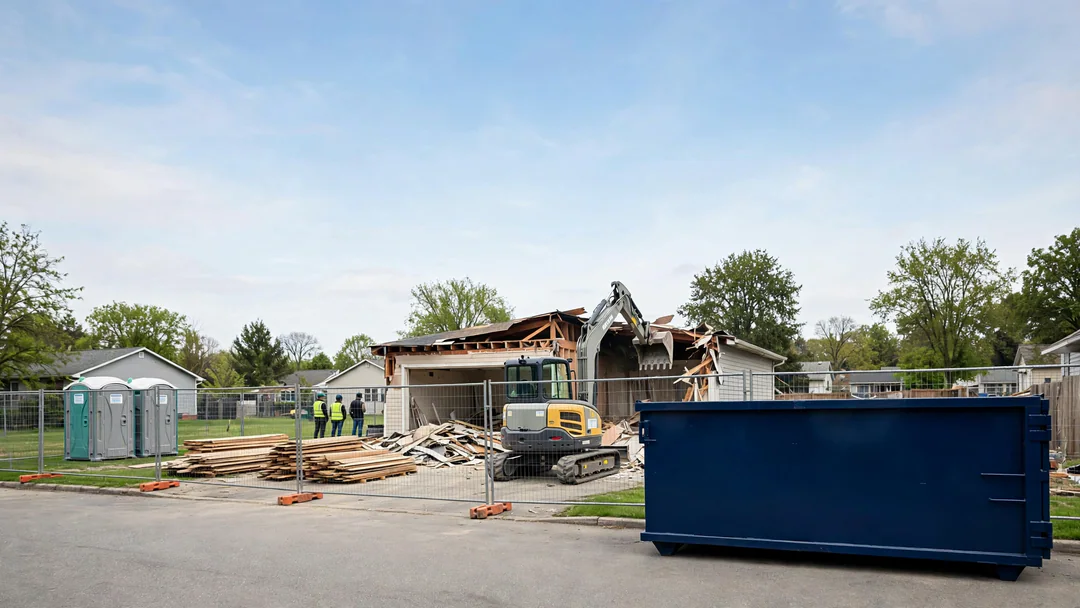
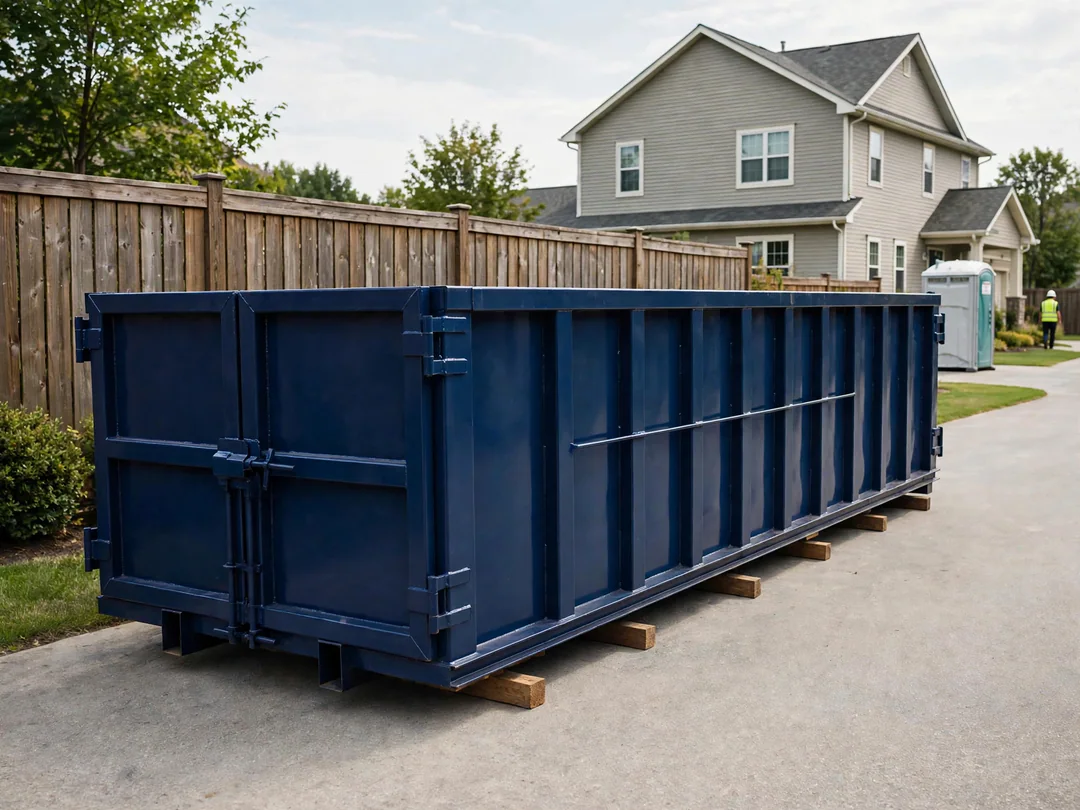
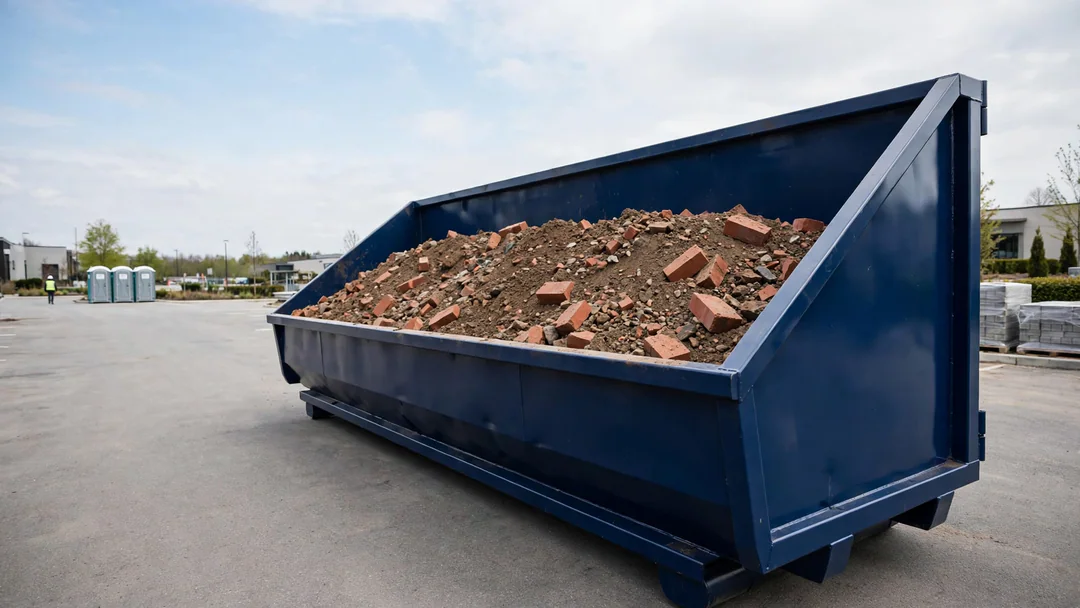
Demolition projects typically use roll-off containers sized to the debris: 20 to 30 yard boxes for mixed interior demo such as drywall, framing, and cabinets, and smaller 10-yard boxes for concrete, brick, and masonry. Large tear-downs often need several containers or scheduled swaps. Size limits for heavy debris vary by hauler and facility.
Demolition Dumpsters: dumpster sizes at a glance
| Size | Typical dimensions | Holds about |
|---|---|---|
| 10-yard | ~12 ft L × 8 ft W × 3.5 ft H | 3–4 pickup-truck loads |
| 20-yard | ~22 ft L × 8 ft W × 4.5 ft H | 6–8 pickup-truck loads |
| 30-yard | ~22 ft L × 8 ft W × 6 ft H | 9–12 pickup-truck loads |
- Weight: heavy debris like concrete, dirt or shingles reaches the weight allowance before the container is full, so it usually goes in a smaller container. See dumpster weight limits.
- Permits: a dumpster on your own driveway usually needs no permit; one on a street or sidewalk often does. See dumpster permits.
Interior demolition vs. full tear-downs
Interior demo, such as gutting a kitchen or stripping a floor to studs, produces drywall, plaster, framing, flooring, cabinets, fixtures, and wiring. It is mostly bulky with pockets of heavy material like tile and plaster. Full structure demolition adds roofing, siding, foundations, and slabs, which push weight much higher. The two call for different container plans, so describe the scope accurately when you request a quote.
Before you demolish: hazardous materials
Buildings constructed before the 1980s may contain asbestos in insulation, flooring, siding, or roofing, and lead-based paint is common in homes built before 1978. Federal and state rules govern how these materials are inspected, removed, and disposed of. Many jurisdictions require an asbestos inspection before demolition. Do not put suspected asbestos or lead-contaminated debris in a standard dumpster. Contact your state environmental agency or local building department for requirements, and use licensed abatement professionals where required.
Separating heavy and light debris
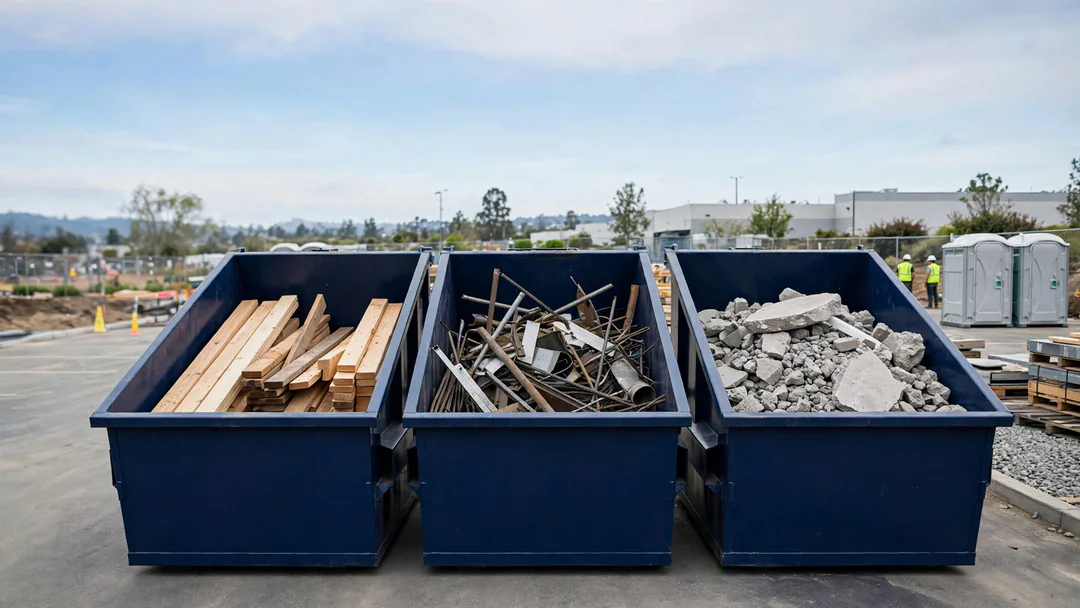
Mixing everything into one large box is often the most expensive approach because heavy material can push it past weight limits. A common plan uses two container types:
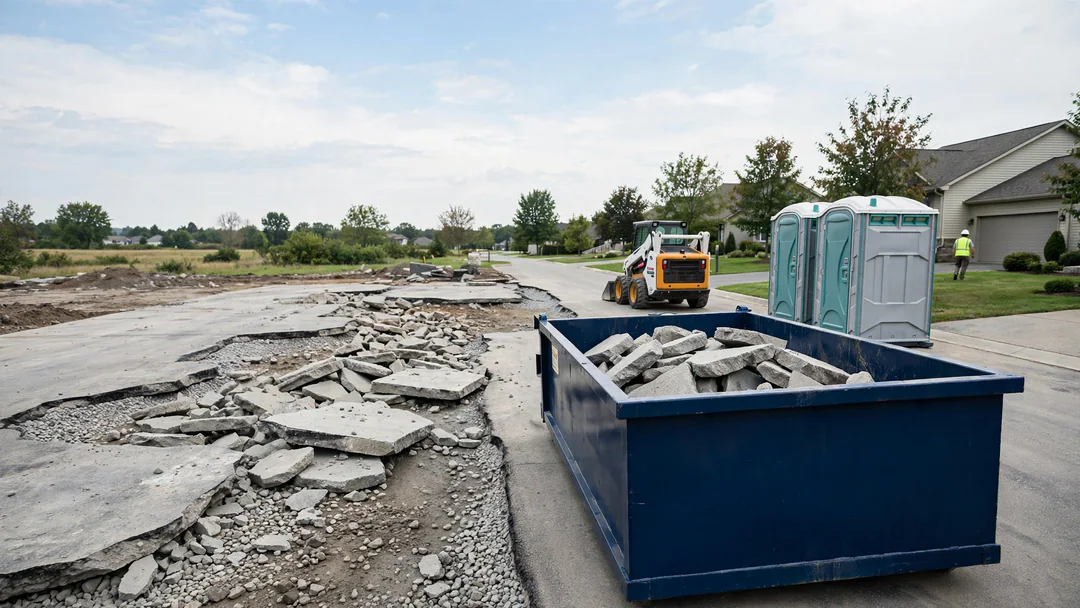
- A small container for concrete, brick, block, and masonry, often subject to fill lines. See concrete dumpster rental.
- A larger container for wood, drywall, roofing, and other mixed debris.
- Separate piles for scrap metal, which many recyclers accept.
- Salvageable items, such as doors, cabinets, and fixtures, set aside for reuse.
Permits and site preparation
Demolition usually requires a building or demolition permit from the local jurisdiction, separate from any right-of-way permit for container placement. Utilities typically need to be disconnected before work begins. Plan container placement so the truck can reach it throughout the job, and so it will not sit on a slab or driveway that is coming out. See our dumpster permit guide for container placement rules.
Swaps and scheduling on demolition jobs
Demolition fills containers fast. Coordinate a swap schedule with your provider so a full box is replaced before crews run out of space. Heavy loads may take longer to process at the facility, so build in buffer time. Communicate daily progress so the hauler can plan truck availability.
On tight urban lots there may be room for only one container at a time. In that case, sequence the work so heavy materials come out together, swap to a light-debris box for framing and finishes, and keep salvage and scrap staged off to the side. Tracking how quickly each phase fills a box gives you better estimates for the next project.
Recycling demolition debris
Concrete, metal, clean wood, and some roofing can often be diverted from landfills when separated. Some jurisdictions require diversion on larger demolition projects. Our construction debris recycling guide covers common practices, and construction site waste management explains how to set up sorting on site.
Demolition Dumpsters FAQs
Can I demolish a shed and put it in one dumpster?
A small wood shed often fits in a single 10 to 20 yard container. A concrete pad underneath may need a separate heavy-debris load.
Is plaster heavier than drywall?
Yes. Plaster and lath are typically much heavier than drywall, which can affect container size and weight allowance.
Do I need an asbestos inspection?
Many jurisdictions require one before demolition or major renovation of older buildings. Check with your state environmental agency or local building department.
Can I keep the same container for the whole demolition?
On small projects, maybe. Most demolition jobs need swaps or multiple containers because debris volume and weight build quickly.
Who is responsible for overweight charges?
Whoever rents the container is usually responsible. Contractors and property owners should agree in writing on who pays.
Can a homeowner rent a demolition dumpster?
Yes. Homeowners often rent containers for DIY interior demo such as a kitchen or bathroom gut. Confirm whether your project needs a building permit and check for hazardous materials first.
Related pages
Ready to book a dumpster?
Share your ZIP code and project details. We will route it to an available provider near you.