
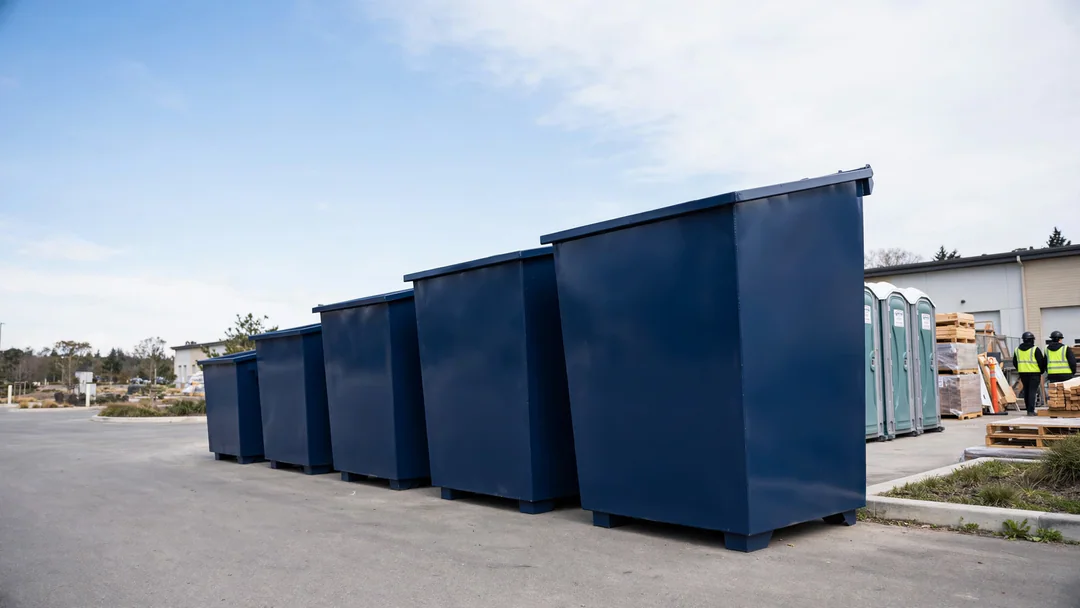
Planning Guide
Dumpster Sizes Explained
Picking the right size is the single biggest decision in a dumpster rental. This guide breaks down each common roll-off size so you can choose with confidence.
One quick call to a real person. You approve the price before anything ships.
- All 50 states + DC
- Price confirmed before delivery
- Pricing explained up front
What dumpster sizes are available?
The most common roll-off sizes are 10, 15, 20, 30, and 40 cubic yards. A 10-yard holds roughly three to four pickup-truck loads, while a 40-yard holds roughly 12 to 16. Larger sizes usually share a similar footprint and get taller walls. Dimensions, available sizes, and weight allowances vary by hauler, so confirm specs with your provider.
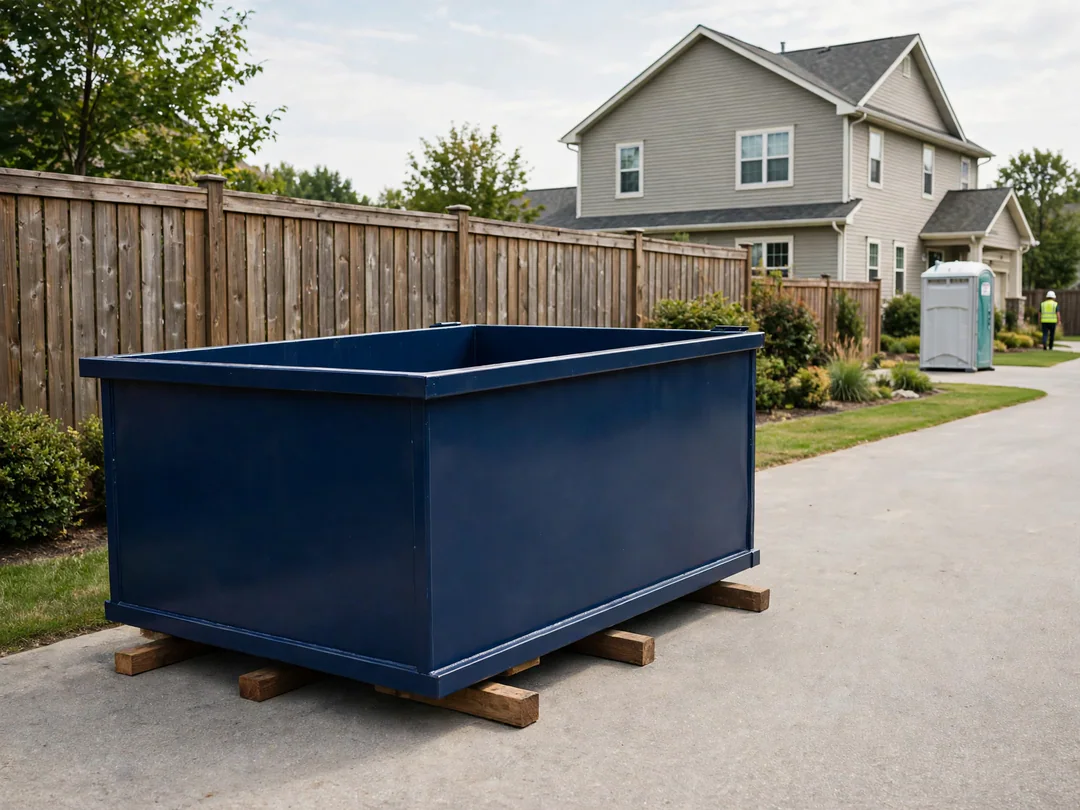
10-yard 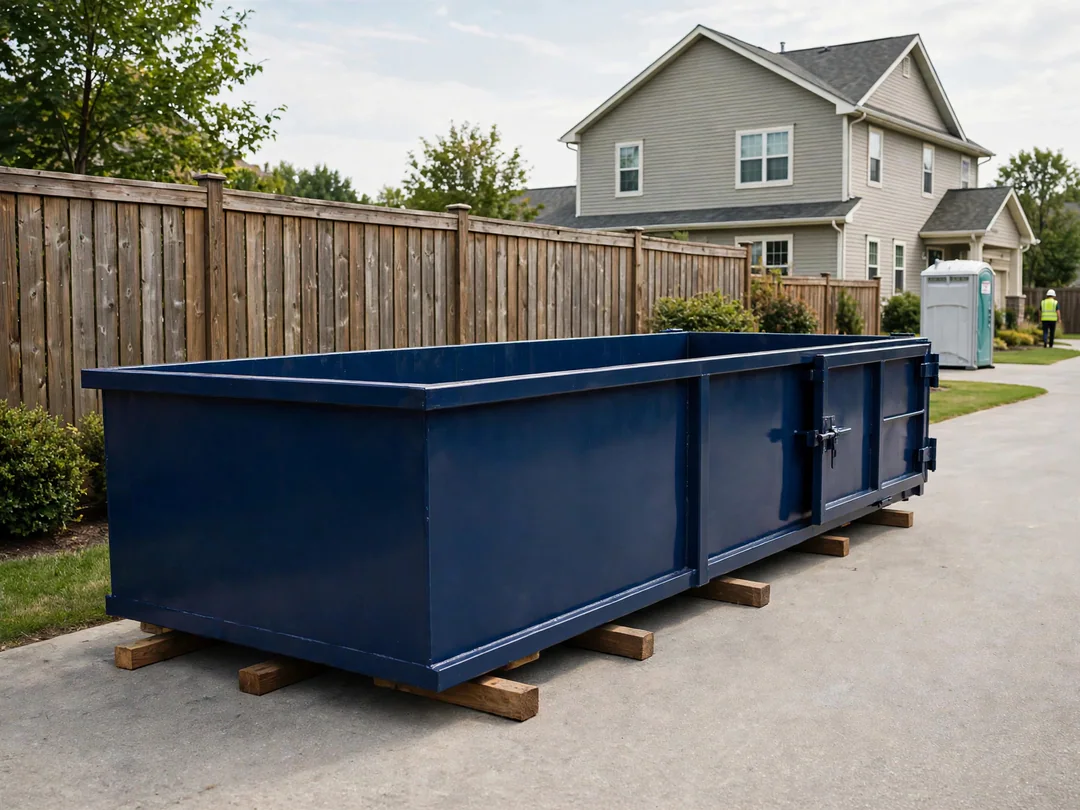
15-yard 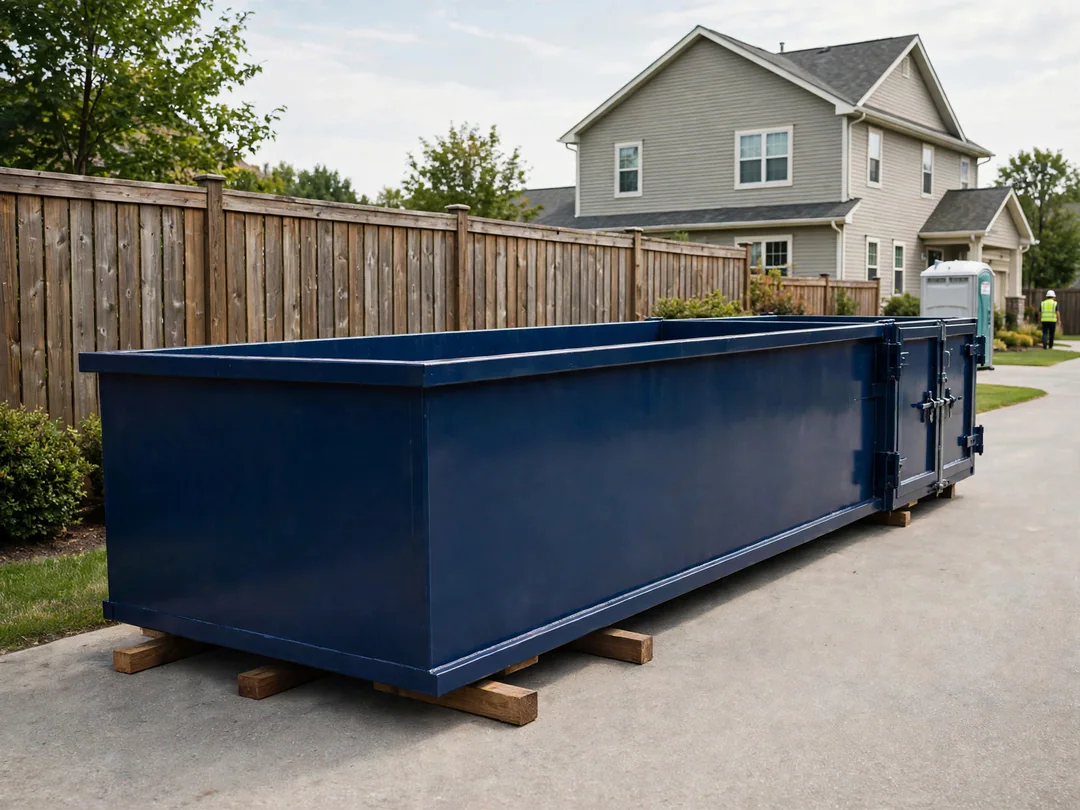
20-yard 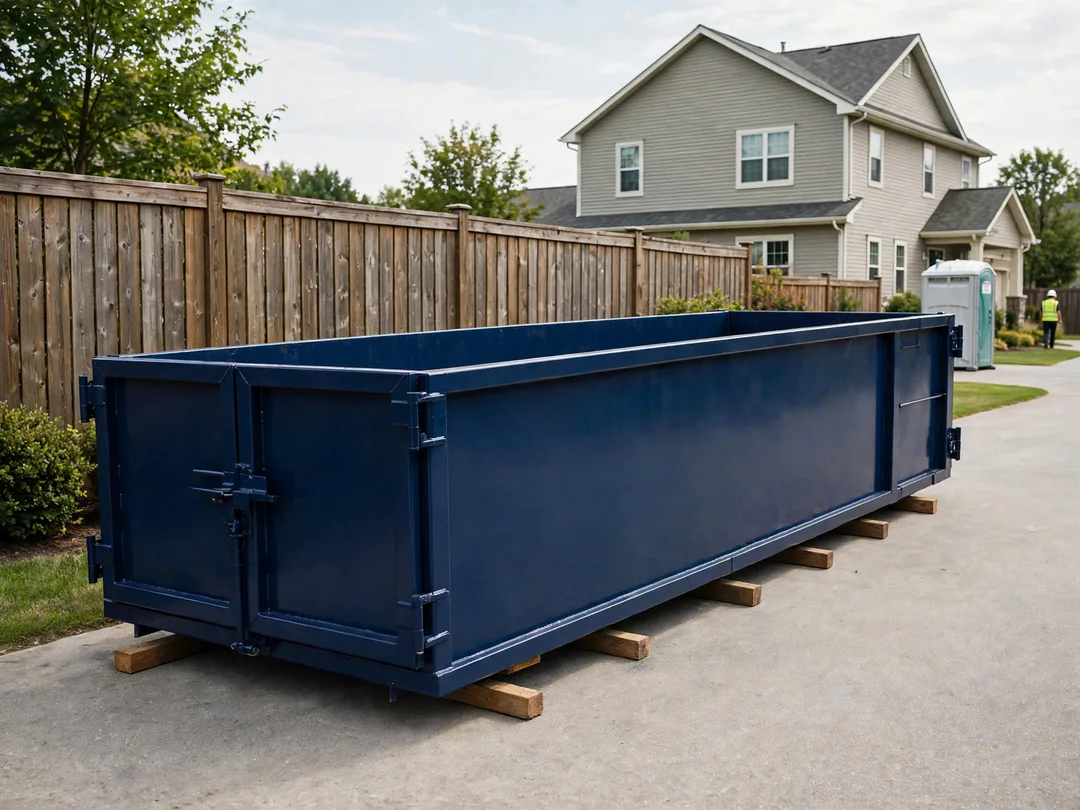
30-yard 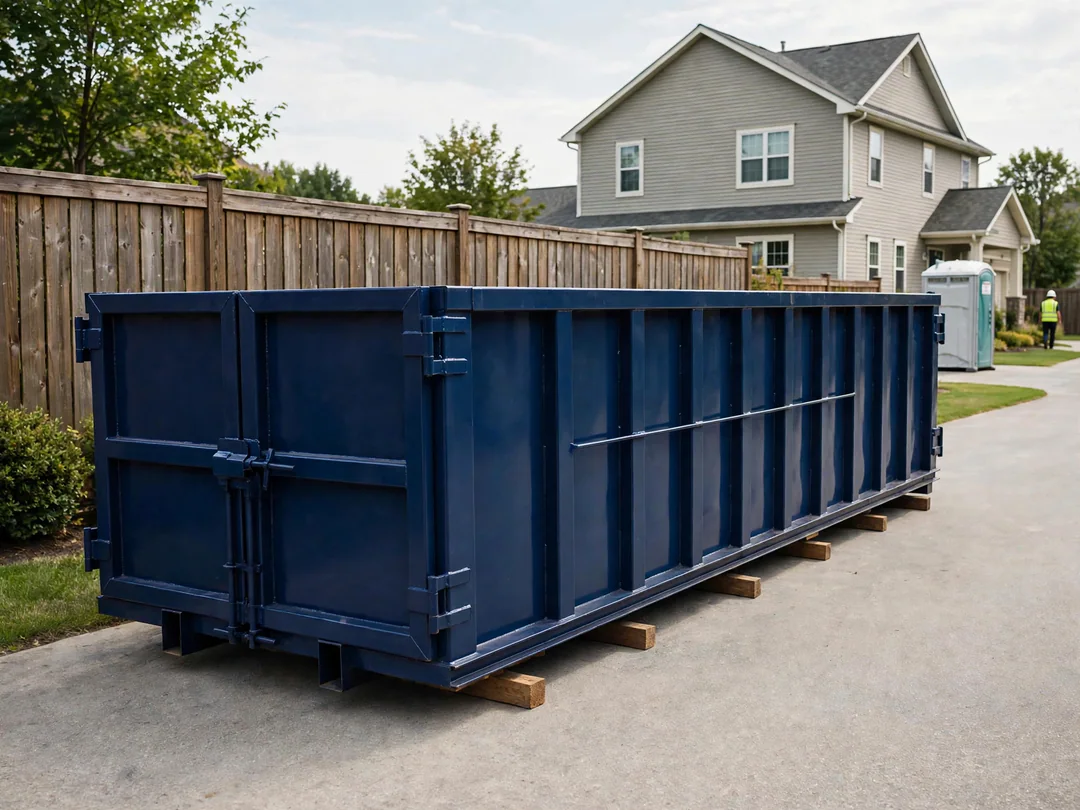
40-yard
What a cubic yard means
Dumpsters are sized by volume in cubic yards. One cubic yard is a cube three feet on each side, or 27 cubic feet. A 20-yard container holds about 20 of those cubes of loosely loaded debris. A standard 8-foot pickup bed loaded level with the sides holds roughly 2 to 3 cubic yards, which is why we express capacity in approximate truck loads.
Volume is only half the story. Every container also has a weight allowance or practical weight limit, and heavy materials reach it long before the box is full.
Size-by-size comparison
The table below shows typical ranges. Dimensions vary by hauler and container manufacturer, and some providers stock sizes not listed here. Use these figures for planning, then confirm the exact specs of the container your provider will deliver.
| Size | Typical dimensions (L × W × H) | Capacity (approx. pickup loads) | Weight considerations | Footprint and driveway needs | Common projects |
|---|---|---|---|---|---|
| 10-yard | About 12–14 ft × 7–8 ft × 3–4 ft | About 3–4 | Preferred size for concrete, dirt, brick; fill lines often apply | Fits many single-car driveways; shortest footprint | Bathroom remodel, small cleanout, heavy debris |
| 15-yard | About 14–16 ft × 7–8 ft × 4–4.5 ft | About 5–6 | Good for moderate weight such as a small roof tear-off | Fits most driveways with room for truck approach | Kitchen remodel, garage with furniture, deck removal |
| 20-yard | About 20–22 ft × 7–8 ft × 4–4.5 ft | About 6–8 | Mixed debris can approach the allowance quickly | Needs a longer driveway; full-length placement common | Whole-house cleanout, flooring, mid-size roofing |
| 30-yard | About 20–22 ft × 7–8 ft × 5.5–6 ft | About 9–12 | Not suited to heavy debris; best for bulky mixed loads | Similar footprint to 20-yard; taller walls | Additions, multi-room renovation, new construction |
| 40-yard | About 20–22 ft × 7–8 ft × 7–8 ft | About 12–16 | Light, bulky debris only; heavy loads usually refused | Common on construction and commercial lots | Large commercial cleanouts, framing waste, big demolition of light materials |
How weight changes the size decision
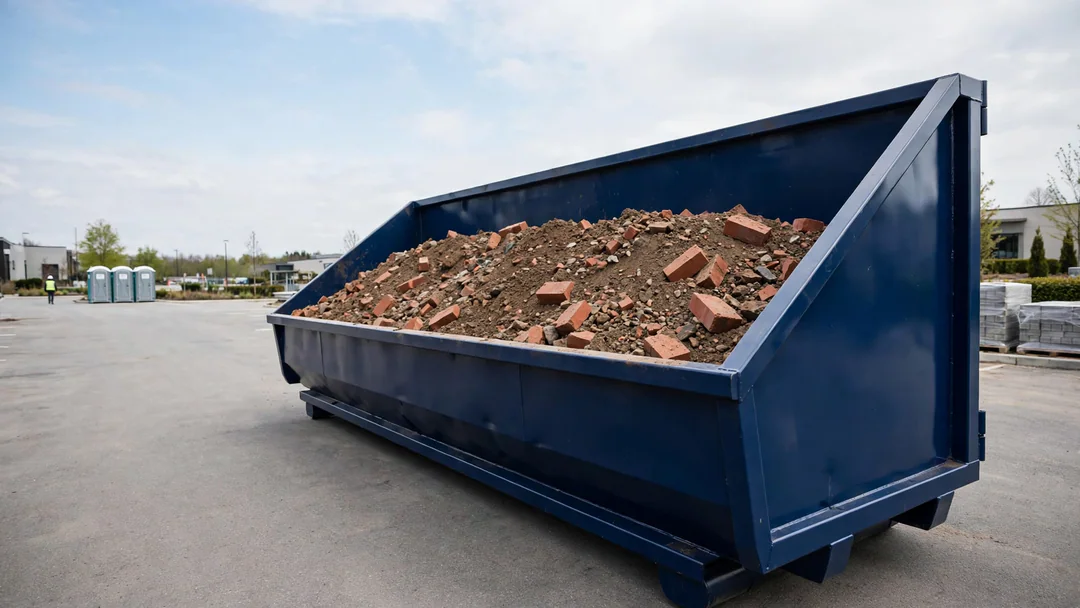
Trucks and roads have weight limits, and disposal facilities charge by weight. That means the right size for heavy debris is often smaller than the volume suggests. Concrete, brick, dirt, shingles, and tile all fall into this group. Haulers commonly direct these materials to 10-yard or similar boxes and may mark fill lines. Bulky but light materials, such as furniture, packaging, and framing scrap, can take full advantage of larger containers. See dumpster weight limits and concrete dumpster rental for details.
Measuring your space
Before you choose a size, measure the placement area. Allow for the container's length plus extra room for the truck behind it, since the bed extends during drop-off. Many providers suggest roughly 60 feet of straight access for larger containers, along with overhead clearance free of wires and branches. Leave space to open the rear door. If width is tight, note gates, mailboxes, and parked cars. Our driveway prep guide walks through the checklist.
Quick ways to estimate how much debris you have
Estimating debris is an imperfect science. These rules of thumb help:
- Count rooms: a single-room remodel usually fits a 10 or 15 yard; several rooms push toward 20 or 30.
- Count truck loads: if you would need five or six pickup trips, a 15-yard is in range.
- List large items: sofas, mattresses, and cabinets take more volume than their weight suggests.
- Measure slabs: length × width × thickness gives volume for concrete removal.
- Ask your provider: describe the project and share photos for a recommendation.
Choosing between two sizes
If you are torn between sizes, consider the debris type first. For heavy material, pick the smaller box. For bulky, light material, the larger box usually costs less than a second haul. Consider also how high you can load: a 40-yard has walls taller than most adults. For more help, see small dumpster rental and large dumpster rental, or check how size affects cost on our dumpster prices page.
Frequently asked questions
What is the most popular dumpster size?
The 20-yard is a common all-purpose choice for home projects, but popularity varies by market and project type. The best size is the one that matches your debris.
Do all haulers carry every size?
No. Some providers stock only a few sizes, and some offer in-between sizes like 12 or 25 yards. Ask what is available in your area.
Are dumpster dimensions standardized?
Not exactly. Lengths, widths, and wall heights differ between manufacturers and fleets, which is why we give ranges.
Can I fill a dumpster above the top?
No. Debris must stay level with the walls so the hauler can transport it safely. Overfilled containers may be left until material is removed.
What happens if I choose the wrong size?
If the box is too small, you may need a swap or a second container. If it is too big, you pay for space you did not use. Describing your project in detail helps avoid both.
Related pages
Ready to book a dumpster?
Share your ZIP code and project details. We will route it to an available provider near you.