
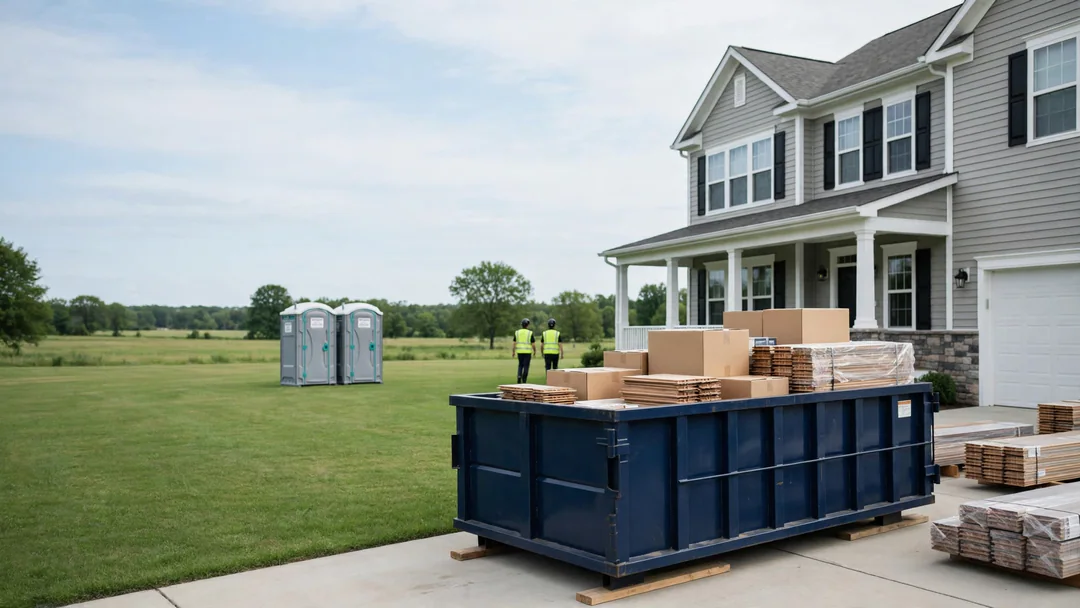
Utah · Mountain West
Dumpster & Porta Potty Rental in Utah
Plan a roll-off dumpster or portable toilet rental anywhere in Utah, with state-specific guidance on permits, disposal and seasons.
One quick call to a real person. You approve the price before anything ships.
- All 50 states + DC
- Price confirmed before delivery
- Pricing explained up front
Can I rent a dumpster or porta potty in Utah?
Yes. We coordinate roll-off dumpster and portable toilet rentals across Utah through independent local providers. Pricing, sizes and delivery windows depend on the provider serving your ZIP code, and permits are handled at the city or county level when equipment goes on a public street.
Dumpster and portable toilet rental in Utah
Most Utahns live along the Wasatch Front, a narrow strip of valleys squeezed between the Wasatch Range and the Great Salt Lake and Utah Lake. Salt Lake, Utah, Davis and Weber counties form a nearly continuous urban corridor from Ogden through Salt Lake City and down to Provo, linked by Interstate 15. In the far southwest corner, St. George and Washington County make up a separate, fast-growing desert region near Zion National Park.
Utah's population has grown quickly for decades, and families tend to be larger than the national average, so new subdivisions, basement finishes and home additions are a big part of local demand.
Haul & Hygiene coordinates with independent local haulers and sanitation providers across the state. We do not own equipment in Utah; your provider confirms container sizes, access and scheduling for your address.
Dumpster rental in Utah: what to know
Basement finishes, kitchen remodels and garage cleanouts along the Wasatch Front usually fit a 10- to 20-yard container. Roofing jobs and whole-house projects often use 20- to 30-yard boxes, and new construction and commercial interiors may need 40-yard containers. Compare options on our dumpster sizes page.
Many Utah neighborhoods sit on sloped benches above the valley floors, so steep driveways are common. Tell your provider about grades, and keep the container away from park strips, sprinkler heads and trees.
In winter, plan for snow removal around the container and avoid blocking plow routes. In St. George, rock and soil from landscaping are heavy; ask about weight limits. See how to prepare your driveway.
Portable toilet rental in Utah
Cold is the biggest variable along the Wasatch Front. From late fall through early spring, providers typically add antifreeze to holding tanks and may adjust service schedules, and units should sit on level, cleared ground where service trucks can reach them after a storm.
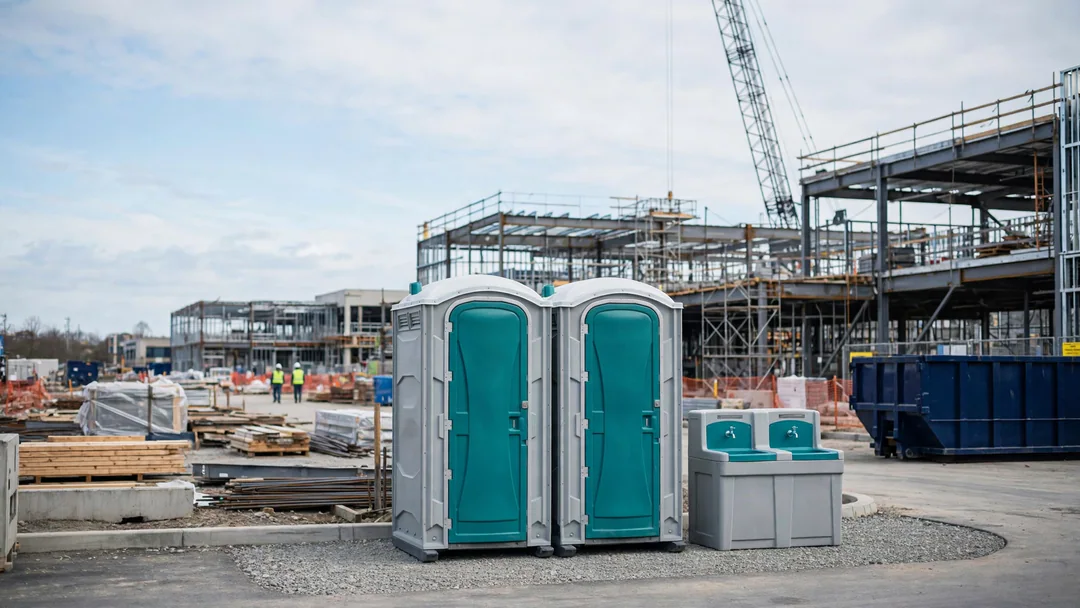
For construction, federal OSHA rules at 29 CFR 1926.51 set minimum toilet counts based on crew size, and Utah runs its own state occupational safety program. Our OSHA jobsite toilet guide explains the ratios, and long projects often use long-term rentals with weekly service.
In St. George, summer heat calls for shade and more frequent servicing. For mountain weddings and trailhead events, confirm truck access on narrow or unpaved roads, and include ADA-accessible units at public events.
Climate and seasonal considerations
The Wasatch Front has four distinct seasons. Summers are hot and dry, while winters bring regular snowstorms to the valleys and much heavier snow in the mountains and canyons. Cold air often gets trapped in the valleys during winter inversions, which can bring several days of freezing, stagnant weather.
Snow and ice affect dumpster placement, since containers can block plows or freeze to driveways, and portable toilet tanks need antifreeze or more frequent service in deep cold. See our winter portable toilet guide.
St. George is a different world: Mojave Desert heat in summer, mild winters and occasional monsoon storms that can cause flash flooding in washes. Spring runoff along the Wasatch Front can also turn yards muddy, so ask about ground protection when soil is soft.
Construction activity and common projects
Utah's construction market is shaped by steady population growth and a strong technology sector. The area around Lehi and northern Utah County, often called Silicon Slopes, has added office campuses, apartments and retail, and new subdivisions continue to spread west of Interstate 15 in Salt Lake and Utah counties.
Universities including the University of Utah, Brigham Young University and Utah Valley University drive campus projects and student housing. Distribution centers and industrial parks fill the west side of the Salt Lake Valley, and Washington County has seen rapid home and resort building around St. George.
Residential work commonly includes basement finishes, which are popular because so many Utah homes have full basements, along with roof replacements and kitchen remodels. Larger sites typically combine construction dumpsters with jobsite portable toilets.
- Basement finishing and remodels
- New subdivision and townhome construction
- Technology office and campus buildouts
- Roof replacement after winter storms
- Warehouse and industrial park projects
- Resort and vacation home construction in Washington County
- Estate and family home cleanouts
Disposal rules and restricted materials
The Utah Department of Environmental Quality, through its Division of Waste Management and Radiation Control, regulates solid waste facilities statewide. Counties, cities and special service districts operate many of the landfills and transfer stations, and accepted materials and rules can differ from one facility to the next.
As in most states, items such as tires, lead-acid batteries, used oil, appliances containing refrigerant and household hazardous waste need separate handling and should not be thrown in a standard roll-off. Several Wasatch Front counties run collection programs for household hazardous waste.
Clean concrete, asphalt, metal and green waste can often be recycled rather than landfilled. Check our prohibited items list and construction debris recycling guide, and ask your hauler what its facility accepts.
Permits in Utah
Utah does not issue a statewide dumpster permit. A container on your own driveway generally does not need one, while placement on a city street, park strip or sidewalk typically requires a right-of-way or encroachment permit from the city. Requirements vary between Salt Lake City, West Valley City, Provo, St. George and the dozens of smaller cities along the Wasatch Front.
Winter adds another wrinkle. Many Utah cities restrict on-street parking and obstructions during snowstorms so plows can clear roads, which can affect street placement from late fall through early spring.
HOAs are common in newer subdivisions and townhome communities and may limit placement or duration. Confirm with your city and HOA before delivery; our dumpster permit guide and portable toilet permit guide can help.
Event sanitation planning
Utah's outdoor event season peaks from late spring through early fall. July is especially busy: Provo's America's Freedom Festival builds up to Independence Day, and Pioneer Day on July 24 brings parades, fireworks and Days of '47 events in Salt Lake City and towns across the state.
The Utah State Fair is held in Salt Lake City each September, and county fairs and rodeos fill the summer calendar. In southern Utah, the cooler months suit endurance races, the St. George Marathon in October and other outdoor events.
Mountain weddings, family reunions and trailhead or park events are popular statewide. Plan units by headcount and duration with our quantity guide and add hand-washing stations near food. Our event sanitation checklist covers the rest.
Cities in Utah
- Salt Lake City
- West Valley City
- Provo
- St. George
- West Jordan
- Orem
- Sandy
- Ogden
Major metro areas: Salt Lake City · Provo–Orem · Ogden–Clearfield · St. George · Logan
Services in Utah
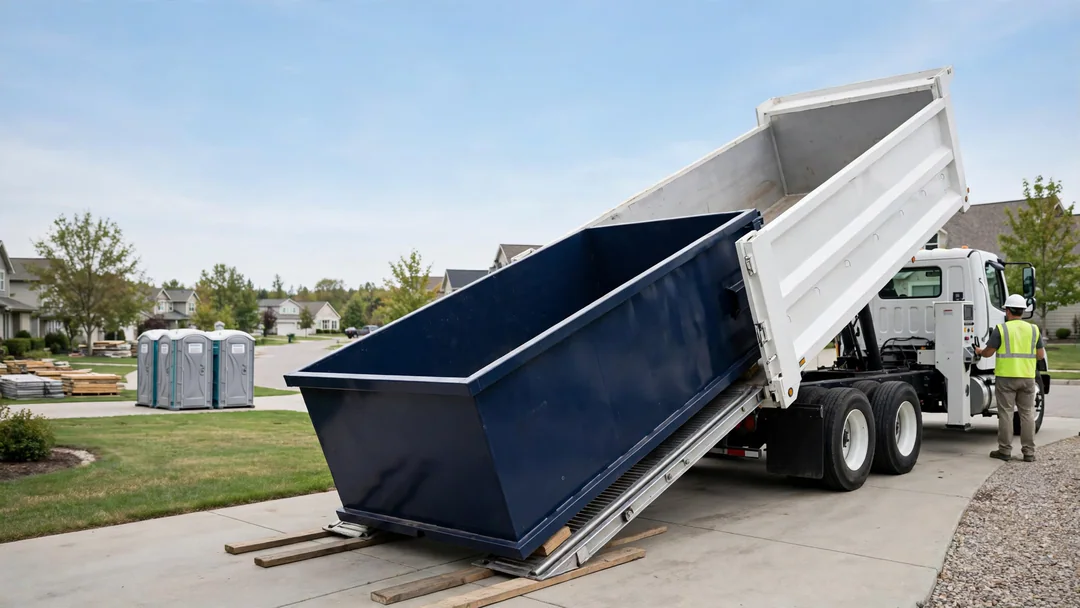
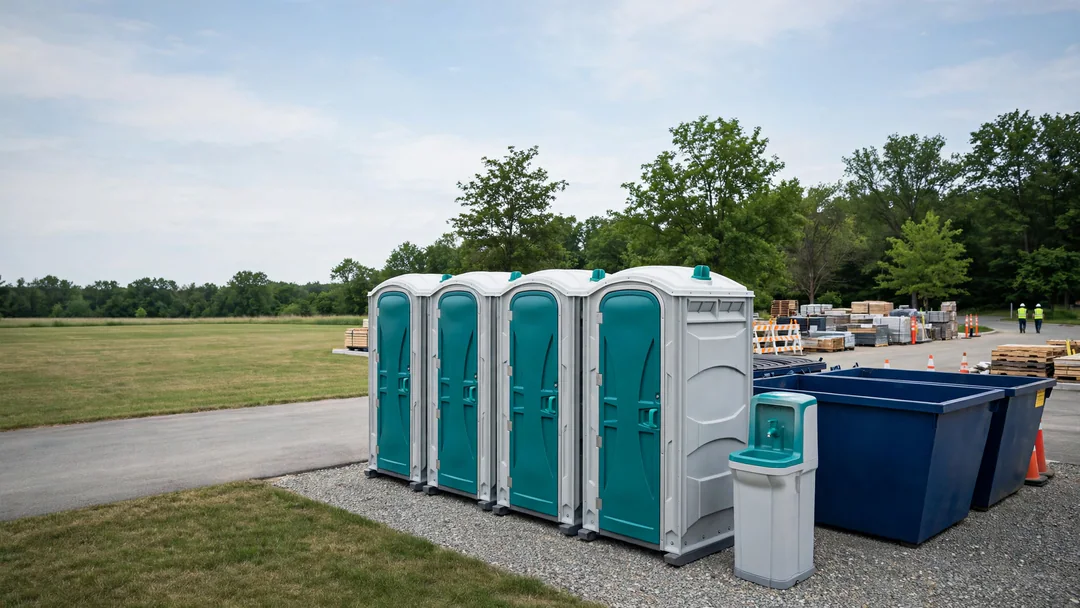
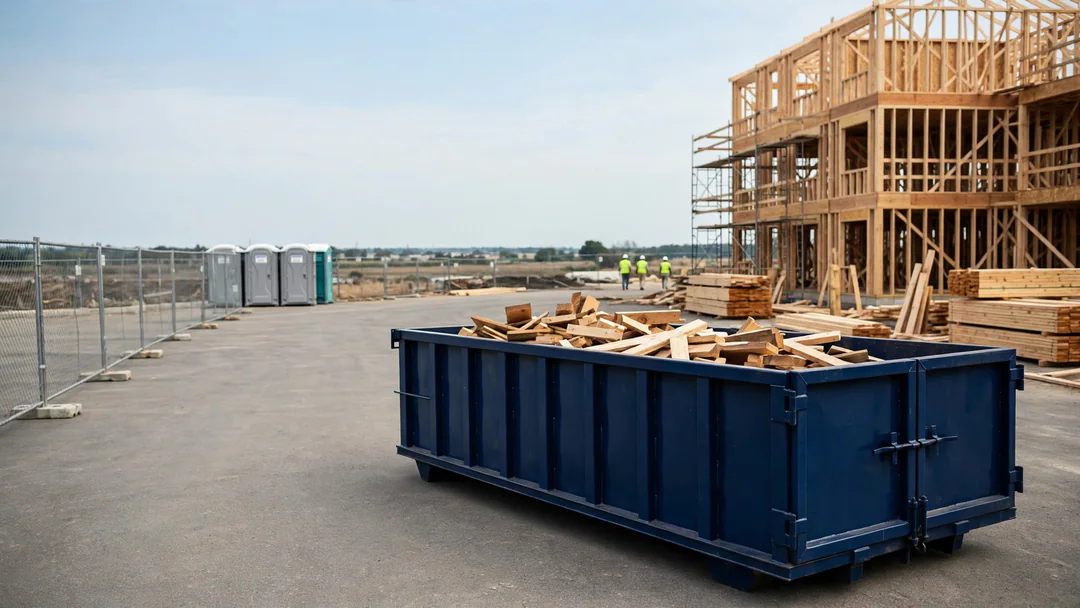
Utah rental FAQs
Do I need a permit for a dumpster in Utah?
Not on your own driveway in most cases. Placing a container on a street, park strip or sidewalk typically needs a city permit, and winter parking restrictions may also apply. Each Wasatch Front city sets its own rules, so confirm locally and check your HOA.
What size dumpster fits a basement finish in Utah?
Many basement finishes fit a 10- or 15-yard container, while a full tear-out of an existing finished basement may need a 20-yard box. Drywall, carpet and framing add up quickly, so describe the project to your provider.
Can a dumpster sit on my driveway during a snowstorm?
Usually, as long as it stays off the street and does not block plows or sidewalks. Clear snow around the container so the truck can reach it for pickup, and expect possible weather delays.
Do portable toilets freeze during Utah winters?
They can, especially during long inversion cold spells. Providers commonly use antifreeze or brine in the tanks and may change the service schedule. Ask about winter options when booking.
Are rentals available in St. George and southern Utah?
Yes, providers in our network serve Washington County. Summer heat affects portable toilet servicing, and remote properties may have limited availability, so share your address and dates early.
When should I book restrooms for a July event in Utah?
July is crowded with Independence Day and Pioneer Day events, so book several weeks ahead, especially for restroom trailers, ADA units or large quantities.
Sources and official resources
Neighboring states
Ready to book a dumpster?
Planning a project in Utah? Share your ZIP code and dates to check provider availability.