New York · Northeast
Dumpster & Porta Potty Rental in New York
Plan a roll-off dumpster or portable toilet rental anywhere in New York, with state-specific guidance on permits, disposal and seasons.
One quick call to a real person. You approve the price before anything ships.
- All 50 states + DC
- Price confirmed before delivery
- Pricing explained up front
Can I rent a dumpster or porta potty in New York?
Yes. We coordinate roll-off dumpster and portable toilet rentals across New York through independent local providers. Pricing, sizes and delivery windows depend on the provider serving your ZIP code, and permits are handled at the city or county level when equipment goes on a public street.
Dumpster and portable toilet rental in New York
New York is really two rental markets. Downstate, New York City and its suburbs deal with limited space, heavy traffic, and city permits for anything placed on the street. Upstate, from the Hudson Valley to Buffalo, projects look more like typical suburban and rural work, with driveways, larger lots, and long, snowy winters.
Haul & Hygiene works with independent haulers and sanitation providers in our network across the state. We help you match the container or restroom setup to your site, while your local provider handles delivery, service, and disposal. Because placement rules and access vary so much between a Brooklyn brownstone block and a Finger Lakes farmhouse, planning ahead is the best way to avoid delays. Our how it works page explains the steps.
Dumpster rental in New York: what to know
Downstate, smaller containers are common because of street width, parking, and permit constraints. Many city projects use 10- to 20-yard containers with frequent swaps, and some sites cannot fit a roll-off at all. Low-profile or smaller units may be the only option for narrow blocks. Plan delivery around alternate-side parking, building hours, and traffic.
Upstate, driveways and larger lots make 20- to 30-yard containers practical for remodels and cleanouts, and 40-yard units are used on bigger commercial or demolition jobs. In winter, ask about access needs and keep the area cleared. Heavy materials like concrete, brick, and plaster usually go in smaller containers because of weight limits. Specs vary by provider; see our size guide and weight limits guide.
Portable toilet rental in New York
Portable toilet planning in New York starts with placement and season. In the city, units may need to fit on sidewalks, in small yards, or inside construction fencing, and any placement on public property may need approval. Service trucks need a route to reach the units, so confirm access with your provider before setup.
From late fall to early spring, ask for winterized service, and consider heated restroom trailers for longer events. Construction sites must meet federal OSHA sanitation requirements, which set minimum toilet counts based on crew size; see our OSHA jobsite toilet guide. Public events typically need ADA-accessible units and hand-washing stations. Your provider can recommend unit counts and service frequency.
Climate and seasonal considerations
Winter is the biggest weather factor in New York. Lake-effect snow off Lakes Erie and Ontario can bury Buffalo, Rochester, and Syracuse, and the rest of the state sees regular snow and ice. Containers on driveways or streets may need cleared access for swaps, and snow can interfere with plowing if units are placed poorly. Frozen debris can also stick inside containers.
For portable toilets, cold weather calls for winterized units, non-freezing additives, and placement out of drifting snow; see our winter portable toilet guide. Summers are warm and humid, which raises service needs at events and jobsites. Spring brings thaw, mud, and soft ground that can affect where a roll-off truck can safely set a container. Coastal storms can also bring wind and flooding downstate.
Construction activity and common projects
Downstate construction includes high-rise and mid-rise residential towers, interior renovations in apartment buildings and co-ops, brownstone gut rehabs, facade and roof work, and infrastructure projects. Work often happens on tight lots with no off-street staging, so container size and pickup timing matter.
Upstate, common projects include single-family remodels, roof replacements after harsh winters, agricultural buildings, manufacturing and warehouse upgrades, and redevelopment in older city centers like Buffalo, Rochester, and Albany. Cleanouts of older homes and estates are frequent across the state. For larger commercial work, see our commercial construction page and the construction site waste management guide. Building departments may have their own debris rules, so confirm requirements for your project.
- Brownstone and rowhouse renovations
- Apartment and co-op interior remodels
- Roof replacements after winter damage
- Estate and home cleanouts
- Commercial fit-outs
- Farm and agricultural building work
- Street fairs and outdoor events
- Winter jobsite sanitation
Disposal rules and restricted materials
The New York State Department of Environmental Conservation (NYSDEC) regulates solid waste management facilities, including landfills, transfer stations, and construction and demolition debris processing facilities. Local governments and haulers handle collection, and disposal options differ widely between downstate, where much waste moves through transfer stations, and upstate, where landfills and recycling facilities are more locally available.
New York law bars certain electronics from being disposed of in the trash, and items such as tires, lead-acid batteries, appliances with refrigerants, and hazardous household products typically need separate handling. Asbestos-containing materials must be managed under specific rules. Accepted materials vary by facility and provider, so ask before loading. Our prohibited items guide covers the common categories.
Permits in New York
In New York City, placing a construction container on the street generally requires a permit from the NYC Department of Transportation, and containers typically must meet marking and placement requirements such as reflective markings and keeping clear of hydrants and crosswalks. Many providers handle or help with this process, but responsibility can vary, so ask who files the permit.
Outside the city, street placement rules are set by each municipality, and many towns and villages require a permit for containers in the right-of-way. Winter parking and snow-emergency rules may also restrict street placement. Co-op boards, condo associations, and HOAs often have their own rules about container placement and timing. Always confirm with your city, town, or village. See our dumpster permit guide.
Event sanitation planning
New York has a busy event calendar from late spring through fall. Common events include street fairs and block parties in the city, parades, outdoor concerts, county fairs upstate, wine and food festivals in the Finger Lakes and Hudson Valley, farm weddings, college events, and races. Winter events, such as holiday markets and winter festivals, need cold-weather restroom planning.
In dense urban areas, finding space for restroom units and service access is often the hardest part, and event permits may require a sanitation plan. Upstate events on fields and farms may need units placed on firm, level ground with a clear route for service trucks. See our municipal events and event porta potty pages for planning help.
Cities in New York
- New York City
- Buffalo
- Rochester
- Yonkers
- Syracuse
- Albany
- New Rochelle
- White Plains
Major metro areas: New York–Newark–Jersey City · Buffalo–Cheektowaga · Rochester · Albany–Schenectady–Troy · Syracuse
Services in New York
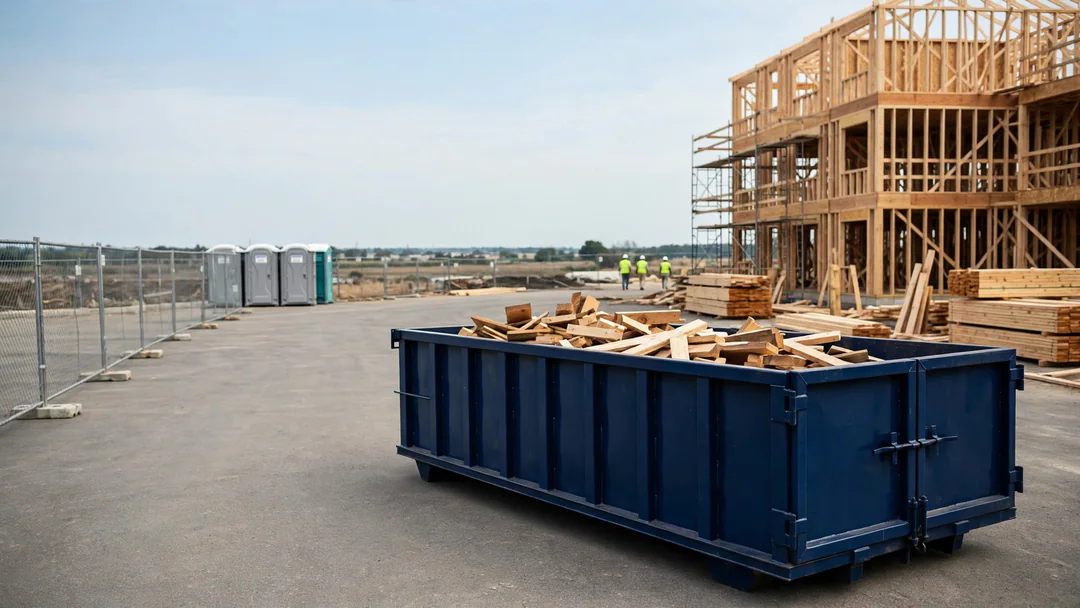
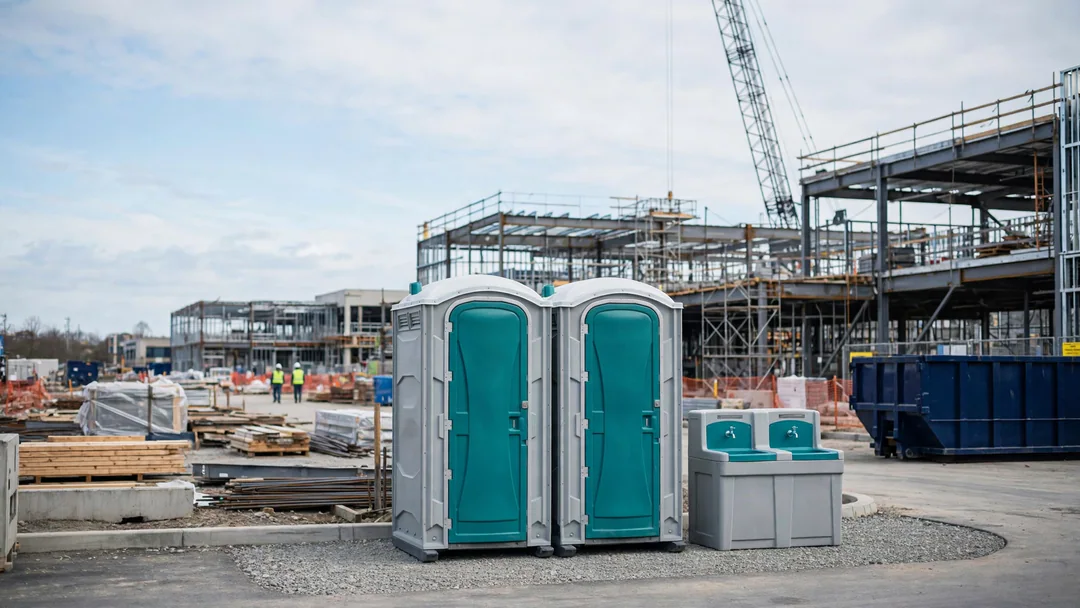
New York rental FAQs
Do I need a permit for a dumpster on a New York City street?
Generally yes. Containers placed on the street in NYC typically require a permit from the NYC Department of Transportation and must follow placement and marking rules. Ask your provider whether they obtain the permit, and confirm current requirements with the city.
What size dumpster fits on a city block?
Smaller containers, often 10 to 20 yards, are common on city streets because of space and permit limits. The right size depends on your block, parking rules, and debris type. Your provider can suggest what fits your location.
Can I rent a dumpster in winter upstate?
Yes. Many providers work year-round, but snow can affect delivery and pickup. Keep the placement area plowed, avoid blocking snow removal, and ask your provider about any winter scheduling needs.
Can I throw electronics in a dumpster in New York?
Generally no. New York law bars disposal of many electronics in the trash, and they should go to an electronics recycling program. Your provider and local recycling program can confirm options.
Do portable toilets freeze in New York winters?
They can without precautions. Providers typically use non-freezing additives and adjust service in cold weather. For long winter events, heated restroom trailers are another option. Ask your provider about winter service.
Who regulates landfills and transfer stations in New York?
The New York State Department of Environmental Conservation regulates solid waste facilities. Local governments and haulers manage collection and may set additional rules.
Sources and official resources
Neighboring states
Ready to book a dumpster?
Planning a project in New York? Share your ZIP code and dates to check provider availability.