
Massachusetts · Northeast
Dumpster & Porta Potty Rental in Massachusetts
Plan a roll-off dumpster or portable toilet rental anywhere in Massachusetts, with state-specific guidance on permits, disposal and seasons.
One quick call to a real person. You approve the price before anything ships.
- All 50 states + DC
- Price confirmed before delivery
- Pricing explained up front
Can I rent a dumpster or porta potty in Massachusetts?
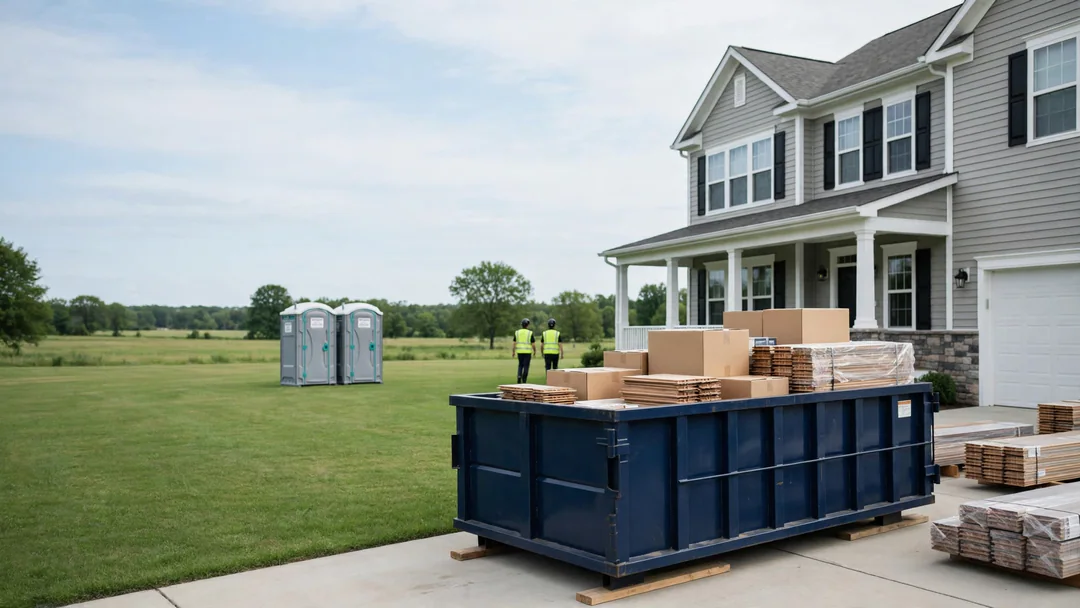
Yes. Haul & Hygiene coordinates roll-off dumpster and portable toilet rentals across Massachusetts, including the Boston–Cambridge–Newton, Worcester, Springfield, Providence–Warwick (RI–MA) areas, through independent local providers. Pricing, container sizes and delivery windows depend on the provider serving your ZIP code, and a permit is usually needed only when equipment goes on a public street.
Dumpster and portable toilet rental in Massachusetts
Massachusetts packs a lot of variety into a small state. Greater Boston is dense and old, with row houses, triple-deckers and narrow one-way streets. Central Massachusetts around Worcester mixes mill-era neighborhoods with growing suburbs, the Pioneer Valley follows the Connecticut River through Springfield and Northampton, and the Berkshires bring hills and rural roads. Cape Cod and the islands add seasonal homes and sandy, tight lots.
That range matters when you rent a dumpster or portable toilet. A container that fits easily in a Shrewsbury driveway may need a street permit in Somerville, and a Cape cottage on a narrow lane can limit truck size.
Haul & Hygiene coordinates with independent local haulers and sanitation providers throughout the Commonwealth. Call us with your ZIP code and dates, and your provider confirms container sizes, placement and scheduling for your address.
Dumpster rental in Massachusetts: what to know
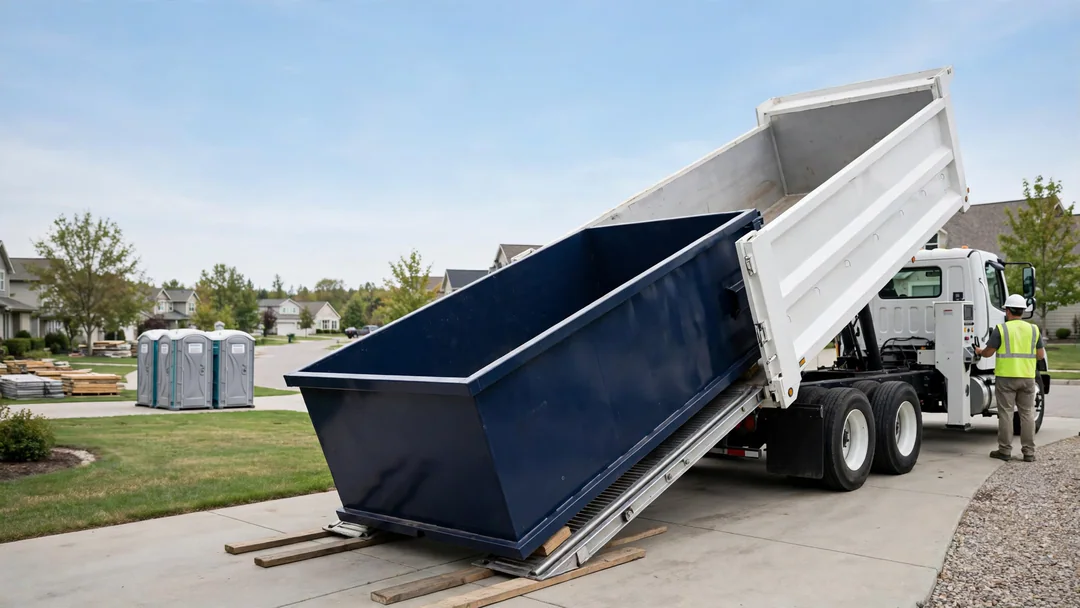
Tight lots and short driveways make 10- and 15-yard containers popular in Greater Boston and older city neighborhoods. They handle bathroom remodels, attic and basement cleanouts and small roofing jobs while fitting where a larger box would block the sidewalk. Compare options on our dumpster sizes page.
Suburban projects and whole-house renovations often use 20- or 30-yard containers, and 40-yard boxes are common on commercial sites. Because MassDEP bans several construction materials from disposal, some providers prefer separate loads of clean concrete, brick or metal, and may handle mixed loads differently.
Winter freeze-thaw cycles can soften driveways in spring, so boards under the rails help. See how to prepare your driveway and the full range of roll-off dumpsters.
Portable toilet rental in Massachusetts
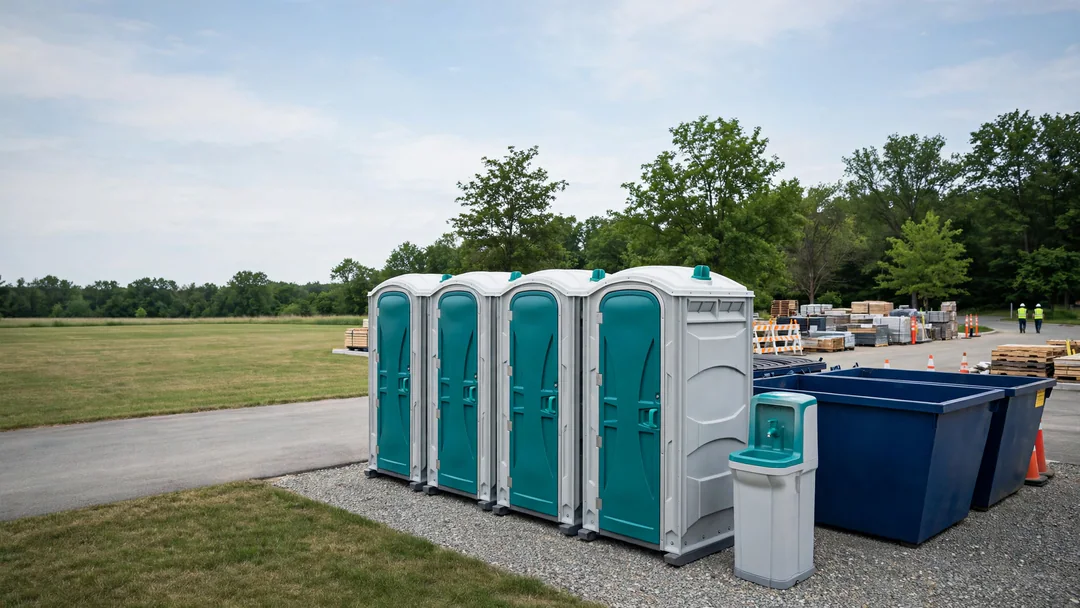
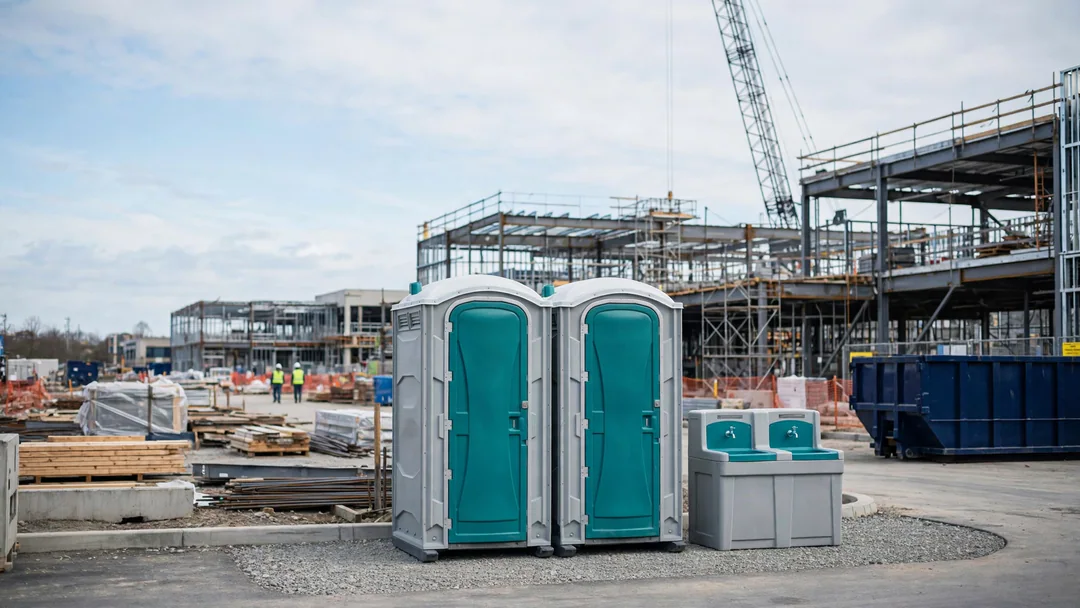
Cold winters are the main sanitation planning issue in Massachusetts. Jobsites that run through January and February often need winterized units with antifreeze, a placement that plows will not bury, and a clear path for the service truck after a storm.
For construction, OSHA rules at 29 CFR 1926.51 set minimum toilet counts based on crew size; our OSHA jobsite toilet guide explains them. Multi-month lab and campus projects in Greater Boston often use long-term portable toilet rentals with a weekly service schedule.
For fall weddings and town fairs, many hosts choose restroom trailers plus at least one ADA portable toilet, and book early, since autumn weekends fill fast.
Climate and seasonal considerations in Massachusetts
Massachusetts has four distinct seasons. Summers are warm and often humid, autumn is mild and busy, and winters bring cold temperatures, nor'easters and snow that can pile up quickly, especially in Worcester County and the Berkshires, which sit at higher elevations than the coast.
Snow affects rentals in practical ways. Plows need room, so a container on a street may have to move or be removed during a snow emergency, and a driveway placement should leave space for shoveling. Snow and ice inside an open dumpster add weight, so a tarp helps; see our guide to dumpster weight limits.
Portable toilets need winter planning too. Providers commonly add antifreeze or brine to holding tanks and may adjust service routes after storms. Our winter portable toilet guide covers the basics. Coastal areas can also see tropical storm remnants in late summer and fall.
Construction activity and common projects in Massachusetts
Construction in Massachusetts is shaped by its economy and its age. Greater Boston's life sciences, health care, higher education and technology sectors keep lab, hospital and campus projects moving, with Kendall Square in Cambridge and Boston's Seaport among the best-known growth areas.
Much of the housing stock is old. Triple-deckers in Dorchester, Worcester and Lowell, Victorian homes across the suburbs and converted mill buildings along the Merrimack and Blackstone rivers produce steady renovation, gut-rehab and lead-paint-era cleanup work. Older homes can also contain asbestos in flooring, pipe insulation and siding, which needs proper handling.
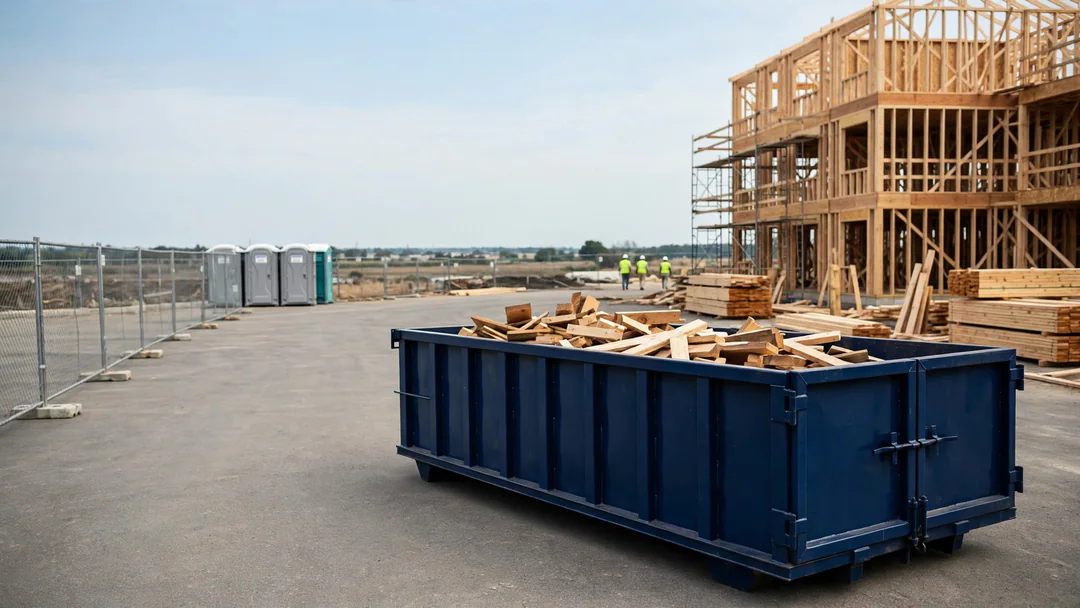
Residential additions, roof replacements and basement finishing are common across the suburbs, and Cape Cod sees off-season remodeling of seasonal homes. Larger jobs often pair construction dumpsters with jobsite portable toilets for crews.
- Triple-decker and multifamily gut renovations
- Lab, hospital and campus construction in Greater Boston
- Roof replacement after winter ice damage
- Basement cleanouts and finishing
- Mill building conversions
- Cape Cod seasonal home remodels
- Estate and moving cleanouts around September 1 lease turnover
Disposal rules and restricted materials in Massachusetts
Solid waste in Massachusetts is regulated by the Massachusetts Department of Environmental Protection (MassDEP), which permits landfills, transfer stations and combustion facilities. In-state landfill capacity is limited, so much of the state's waste travels to transfer stations, waste-to-energy plants or out-of-state facilities.
MassDEP maintains waste disposal bans that keep certain materials out of landfills and combustors. They cover items such as lead-acid batteries, large appliances, cathode ray tubes, and several construction materials, including asphalt pavement, brick, concrete, metal, wood and clean gypsum wallboard. Mattresses and textiles were added more recently. In practice, haulers and facilities may sort or reject loads that contain banned items.
Ask your provider how they handle mixed construction debris, and review what you cannot put in a dumpster and our construction debris recycling guide.
Permits in Massachusetts
Massachusetts does not issue a statewide dumpster permit. A container on your own driveway usually needs no approval, but placing one on a public street, sidewalk or other right-of-way typically requires a permit from the city or town, often through public works or the police department. Dense cities may also require signage, reflectors or a time limit.
Parking is a real constraint in places like Boston, Cambridge and Somerville, where resident permit parking and narrow streets limit where a truck can set a container. Condo associations and HOAs may restrict placement and duration as well.
Portable toilets for public events usually fall under the event permit, and some towns ask for a sanitation plan. Confirm with your city or town before delivery; our dumpster permit guide and portable toilet permit guide list the questions to ask.
Event sanitation planning in Massachusetts
Massachusetts has a packed outdoor calendar from spring through fall. The Boston Marathon runs on Patriots' Day in April, the Head of the Charles Regatta fills the Cambridge and Boston riverbanks in October, and the Fourth of July brings the Boston Pops concert and fireworks on the Esplanade.
In western Massachusetts, the Eastern States Exposition, known as the Big E, takes place in West Springfield each September. Towns across the state hold agricultural fairs, road races, farmers markets and fall festivals, and Cape Cod hosts summer concerts and beach events.
Fall foliage season is popular for weddings at farms, orchards and inns. Plan restroom counts by guest numbers and hours with our porta potty planning guide, add hand-washing stations near food, and work through the event sanitation checklist.
Cities in Massachusetts
- Boston
- Worcester
- Springfield
- Cambridge
- Lowell
- Brockton
- Quincy
- New Bedford
Major metro areas: Boston–Cambridge–Newton · Worcester · Springfield · Providence–Warwick (RI–MA) · Barnstable Town (Cape Cod) · Pittsfield
Services in Massachusetts
Massachusetts rental FAQs
Do I need a permit for a dumpster in Massachusetts?
There is no statewide permit. A dumpster on private property usually needs none, but placement on a public street or sidewalk typically requires approval from the city or town. Boston, Cambridge and other dense cities have their own processes, so confirm locally before delivery.
Can I throw drywall, wood or concrete in a Massachusetts dumpster?
Usually yes, but MassDEP disposal bans cover several construction materials, including clean gypsum wallboard, wood, metal, brick and concrete. Haulers typically take loads to facilities that sort or recycle them. Ask your provider how they handle your debris mix before you load.
Can I put a mattress in a dumpster in Massachusetts?
Mattresses are on the MassDEP waste ban list, so many haulers either refuse them or handle them separately for recycling. Tell your provider in advance if you have mattresses or box springs to remove.
Will snow affect my dumpster rental?
It can. Street placements may need to be cleared during snow emergencies, and snow inside an open container adds weight. Keep a tarp on the box, leave room for plowing and ask your provider about pickup timing after a storm.
Are portable toilets available in Massachusetts in winter?
Yes. Providers in our network commonly winterize units with antifreeze and adjust service around storms. Place units where plows will not block them and keep a clear path for the service truck.
When is the busiest time to rent in Massachusetts?
Late spring through fall is busy, and the weeks around September 1, when many leases turn over in Boston-area cities, can be especially tight for small containers. Call early with your ZIP code and dates.
Massachusetts sources and official resources
States neighboring Massachusetts
Ready to book a dumpster?
Planning a project in Massachusetts? Share your ZIP code and dates to check provider availability.