
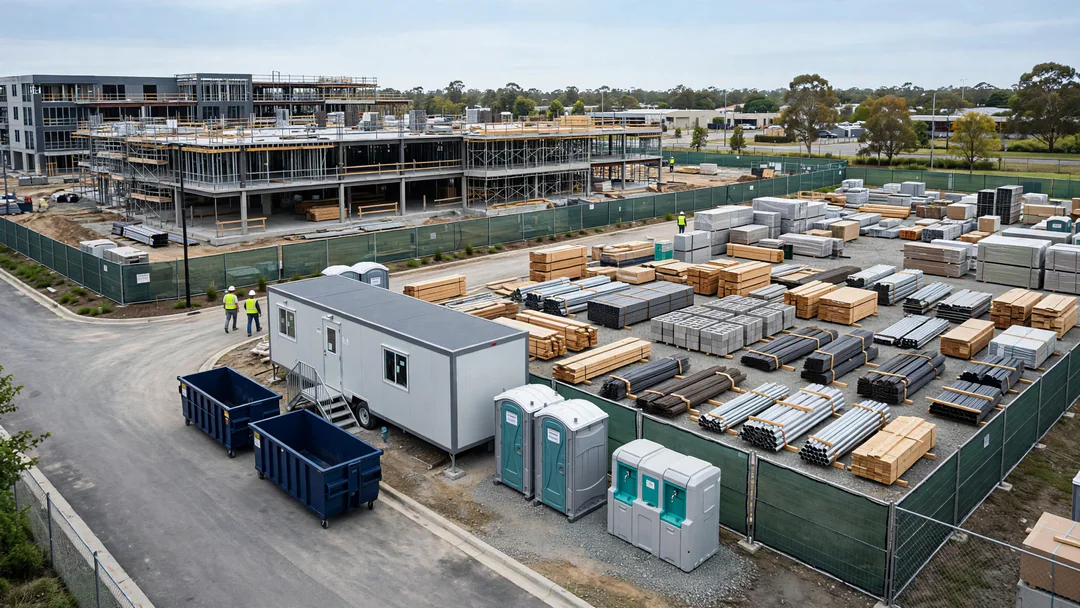
Construction Waste Guide
Construction Site Waste Management
A simple waste plan keeps a site safer, keeps crews moving, and makes recycling and disposal easier to manage.
One quick call to a real person. You approve the price before anything ships.
- All 50 states + DC
- Price confirmed before delivery
- Pricing explained up front
What is construction site waste management?
Construction site waste management is the plan for how debris is generated, sorted, stored, and removed during a project. It covers forecasting waste by phase, choosing and placing containers, scheduling hauls, separating recyclable or restricted materials, and keeping work areas clean and safe. A good plan reduces delays and helps meet local disposal and recycling rules.
Why a waste plan matters
Debris piles slow crews, create trip hazards, and can draw complaints or code issues. A full container with no swap scheduled can stop demolition for a day. A written plan, even a one-page one, solves most of this by assigning responsibility and timing before the first load goes out.
Some jurisdictions and project owners also require waste plans or recycling reports for certain permits or green-building programs. Requirements vary, so ask your building department and review project specifications early.
Forecast waste by project phase
Waste is not steady across a job. It comes in waves tied to each phase, and the material type changes as you go:
| Phase | Common debris | Planning note |
|---|---|---|
| Demolition and site prep | Concrete, masonry, wood, metal, soil | Heaviest phase; plan for weight limits |
| Framing and rough-in | Lumber offcuts, packaging, wire, pipe scraps | Good phase for wood and metal sorting |
| Roofing | Shingles, underlayment, flashing | Dense and fast; consider a dedicated container |
| Drywall and finishes | Drywall scraps, packaging, flooring | High volume, moderate weight |
| Final cleanup | Mixed debris, packaging, landscaping waste | Smaller container often enough |
Choose the right container mix
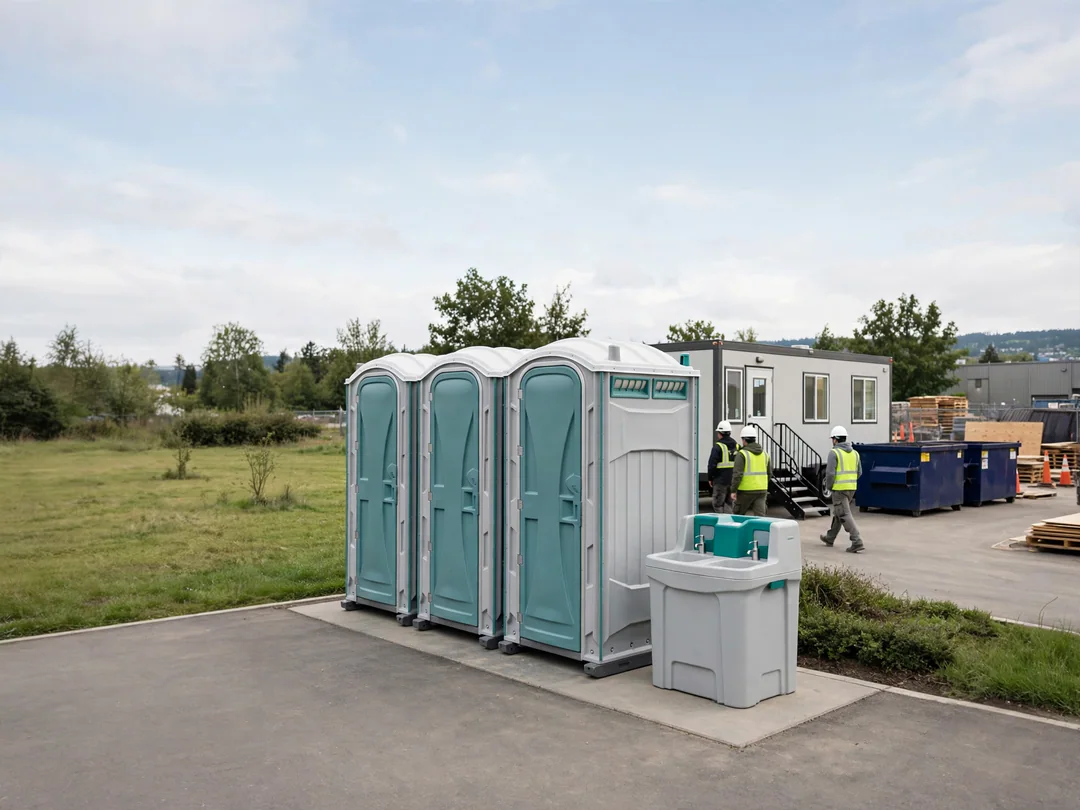
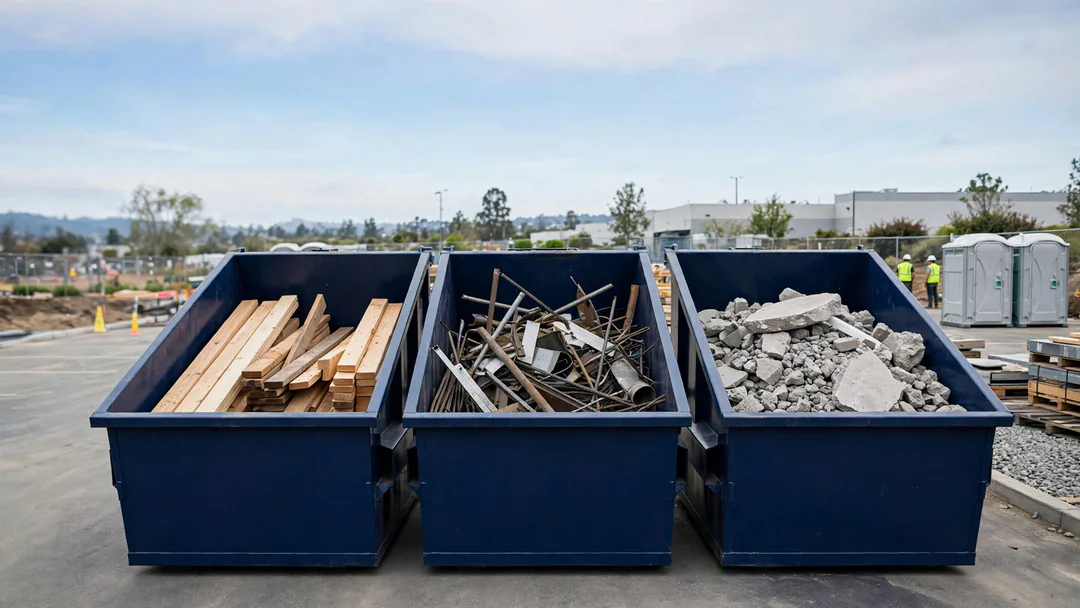
Most sites use one or more roll-off dumpsters. Heavy phases may call for a concrete dumpster or a demolition dumpster, while finish work suits a general construction dumpster. Separate containers for clean wood, metal, or concrete can open recycling options; see construction debris recycling. Keep weight in mind with dense loads, covered in dumpster weight limits.
Place containers for safety and access
Placement also affects neighbors and inspectors. Tidy, well-placed containers signal a well-run site.
- Keep a clear, firm path for the roll-off truck, with overhead clearance free of wires and branches
- Place containers close to the work to reduce carrying, but away from egress routes and fire access
- Avoid blocking sidewalks or streets unless permitted; see dumpster permits
- Protect storm drains and keep loose debris contained, especially on windy days
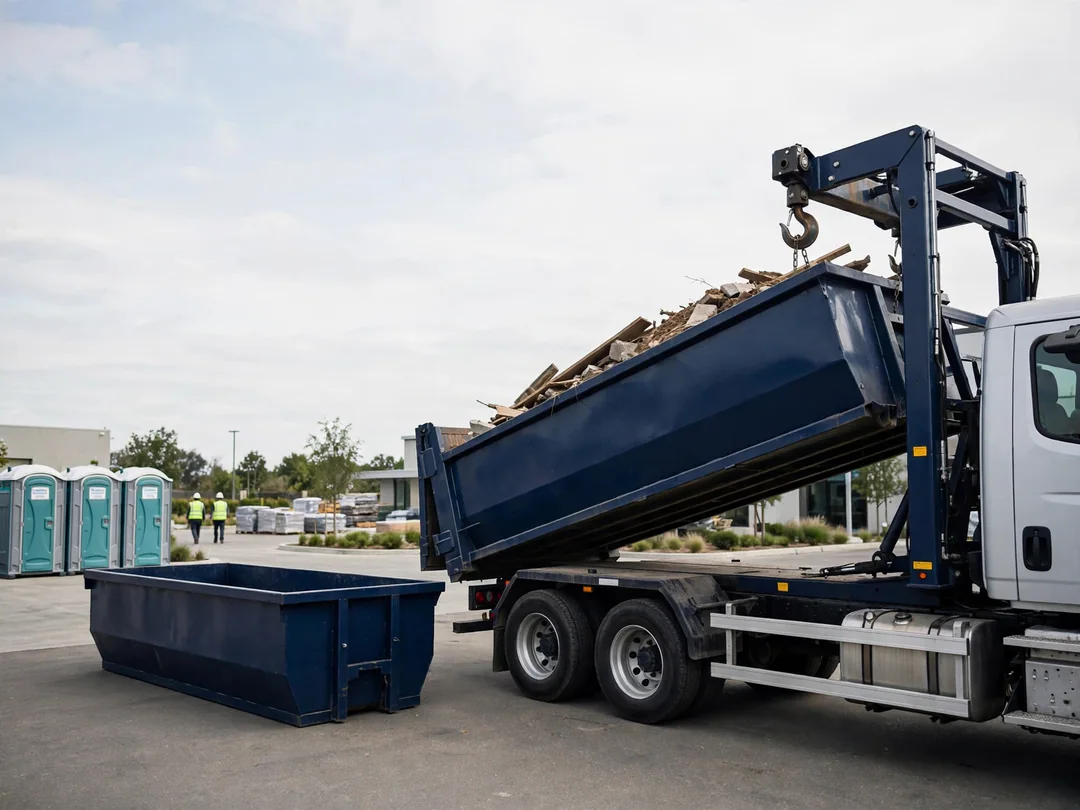
- Leave room for a swap: the truck needs space to set an empty container next to the full one
Schedule hauls before you need them
On longer jobs, set a recurring haul schedule or an on-call arrangement with your provider. Tie swaps to phase milestones rather than waiting for a container to overflow. Overfilled containers may be refused, and debris piled beside a full container creates hazards. For multi-week work, see how long you can rent a dumpster.
Handle restricted materials separately
Some jobsite materials should not go in a general debris container. These often include paints and solvents, fluorescent lamps, batteries, tires, appliances with refrigerant, and suspected asbestos-containing materials, which have their own federal, state, and local handling rules. Many states also ban certain items from landfills. Check what you cannot put in a dumpster and confirm with your hauler.
Reduce waste at the source
The cheapest load is the one you never haul. Ordering materials closer to actual quantities, asking suppliers to take back pallets and packaging, and storing materials under cover so they are not ruined by weather all reduce the debris a site produces. Salvaging fixtures, doors, and cabinets during demolition can also keep usable items out of the container. These steps are simple, but they work best when they are written into the plan and explained to every trade on site, not left to chance.
Assign responsibilities
- Name a waste lead
One person tracks fill levels and calls for swaps.
- Brief the crew and subs
Explain which container takes which material and what is not allowed.
- Label containers
Simple signs reduce contamination of recycling loads.
- Keep records
Save haul tickets and receipts if the owner or permit requires reporting.
- Review each phase
Adjust container types and schedules as the work changes.
Do not forget sanitation
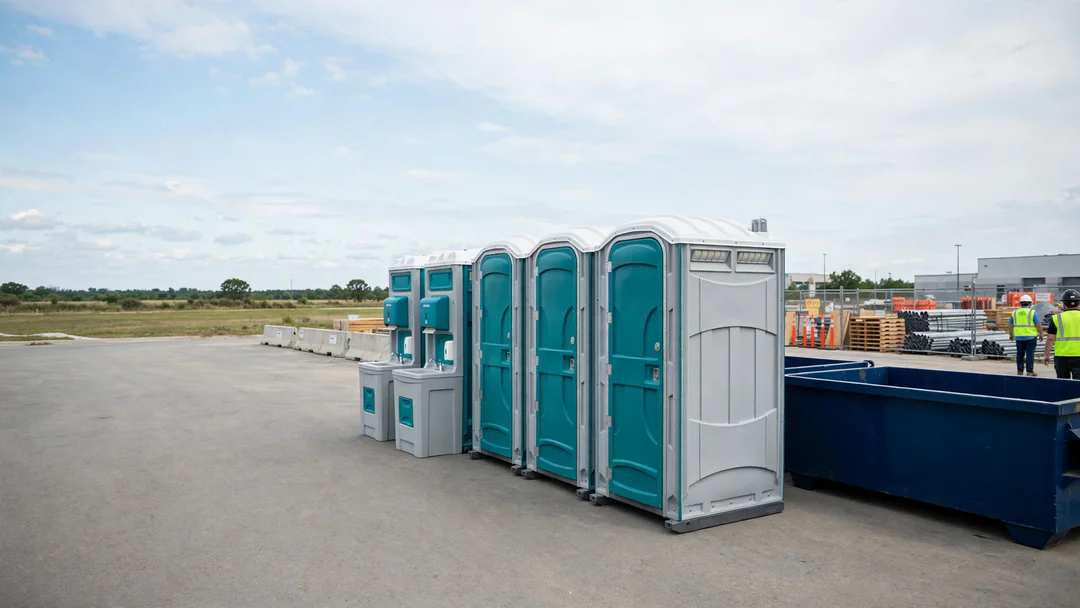
Waste management on a construction site includes crew sanitation. Employers must provide toilet facilities under OSHA rules, and service visits should be scheduled alongside hauls so trucks are not competing for access. See our guide to OSHA jobsite toilet requirements and the construction porta potty page.
Set up waste service for your project
Compare options on our commercial construction and construction dumpsters pages, then find providers on the locations page.
Construction Site Waste Management FAQs
Do I need a written construction waste plan?
It depends on the project. Some jurisdictions, owners, and green-building programs require one, while smaller jobs may not. Even when optional, a short plan helps avoid delays and messy sites.
How often should a jobsite dumpster be swapped?
It depends on how fast debris is generated. Many sites schedule regular swaps during heavy phases and switch to on-call service during lighter phases. Your provider can suggest a schedule.
Should I use more than one dumpster on a site?
Often, yes. Separate containers for heavy material or recyclables can reduce weight issues and contamination, and they can keep work moving while one container is being swapped.
Who is responsible for what goes in the dumpster?
The customer or contractor is typically responsible for what is loaded. Brief subcontractors and label containers so restricted items stay out.
Can construction waste be recycled?
Many materials, such as clean concrete, metal, and wood, can often be recycled where local facilities accept them. Availability varies by area.
Related pages
Ready to book a dumpster?
Whatever the project, start with your ZIP code. We will check provider availability for your dates.