
Minnesota · Midwest
Dumpster & Porta Potty Rental in Minnesota
Plan a roll-off dumpster or portable toilet rental anywhere in Minnesota, with state-specific guidance on permits, disposal and seasons.
One quick call to a real person. You approve the price before anything ships.
- Lower 48 states + DC
- Price confirmed before delivery
- Pricing explained up front
Can I rent a dumpster or porta potty in Minnesota?
Yes. Haul & Hygiene coordinates roll-off dumpster and portable toilet rentals across Minnesota, including the Minneapolis-Saint Paul (Twin Cities), Rochester, Duluth and the North Shore, St. Cloud areas, through independent local providers. Pricing, container sizes and delivery windows depend on the provider serving your ZIP code, and a permit is usually needed only when equipment goes on a public street.
Dumpster and portable toilet rental in Minnesota
Minnesota's rental calendar is shaped by its winters. Building, roofing and outdoor events crowd into the months between spring thaw and the first hard freeze, and the weeks around spring load restrictions can limit where a loaded roll-off truck is allowed to drive. Planning ahead matters more here than in most states.
About 60 percent of Minnesotans live in the Twin Cities region, where demand comes from remodels of older Minneapolis and Saint Paul homes, suburban growth and steady commercial work. Outside the metro, Rochester grows around its medical center, Duluth and the Iron Range have their own industrial base, and thousands of lake cabins in the north generate seasonal cleanouts.
Haul & Hygiene is a free referral service connecting you with independent haulers and portable toilet contractors in Minnesota. Call with your ZIP code and dates; the contractor who serves your area confirms what is available and the price.
Dumpster rental in Minnesota: what to know
Book early for May through October, the peak building season. For a cabin cleanout or a single-room remodel, a 10- or 15-yard container is often enough; full renovations and new builds need 20 to 40 yards. See the size guide.
In spring, ask your contractor whether seasonal load limits apply to your road. A pickup may need to wait, or the container may need to stay lighter. Cabin roads can be narrow, steep and soft, so describe the route and turnaround space.
In winter, keep the area around the container plowed and clear so the truck can reach it. Follow our driveway prep guide.
Portable toilet rental in Minnesota
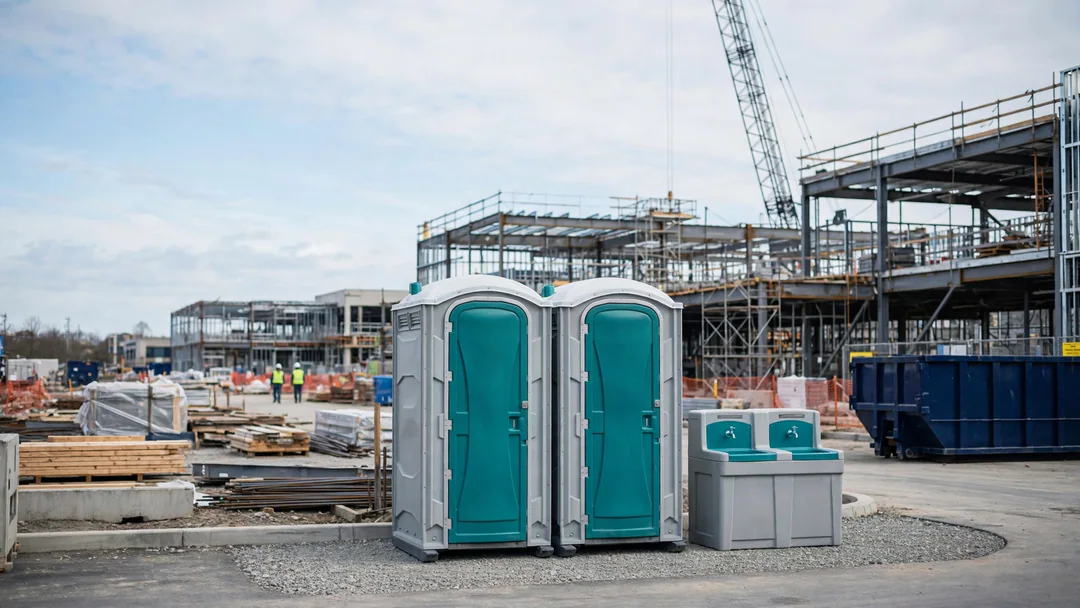
From November to March, ask for antifreeze-treated units, and keep a shoveled path and good lighting to each one. Construction sites must follow OSHA 29 CFR 1926.51 toilet counts; see our OSHA jobsite toilet guide.
Some contractors offer heated or insulated units for long winter jobs and events. Ask what is available and how service changes during storms.
For summer weddings at cabins and farms, many hosts choose restroom trailers and include an ADA-accessible unit. Season-long builds should use a long-term rental.
How climate affects dumpster and portable toilet rentals in Minnesota
Winters are long and very cold, with sub-zero stretches common in January and especially severe in the north. Snow cover can last for months, and frozen ground makes it hard to set or level equipment. Portable toilets need antifreeze in the tank to stay usable, and doors and locks can freeze shut.
Each spring, as the ground thaws, road authorities put seasonal load limits on many roads to protect them while they are soft. Heavy loaded trucks may be restricted on some township, county and city roads during those weeks, which can affect when a full container can be picked up.
Summers are warm and can bring severe thunderstorms, hail and occasional tornadoes, with roof and tree damage following. See our winter portable toilet guide and keep heavy, wet loads within the weight allowance.
Construction activity and common dumpster projects in Minnesota
Because so much outdoor work happens between April and November, Minnesota contractors book containers and jobsite toilets well ahead for the building season. Housing growth in suburbs such as Lakeville, Woodbury, Maple Grove and Shakopee keeps new-construction demand strong.
Rochester has seen large expansion around its medical campus, and the Twin Cities have ongoing apartment, office conversion and infrastructure work. Up north, the Iron Range mining region and Duluth's port and industrial areas generate heavy-industry projects.
Older homes in Minneapolis and Saint Paul, many built before 1940, produce plaster, old flooring and basement cleanout debris. Lake cabin owners often tackle dock, deck and cabin renovations in late spring and early fall. See construction dumpsters and construction porta potties.
- Spring-to-fall new home construction in the suburbs
- Lake cabin, dock and deck renovations
- Older-home remodels in Minneapolis and Saint Paul
- Roof replacements after summer hail
- Winter events and ice-fishing tournaments
- State Fair and county fair sanitation
- Industrial work on the Iron Range and in Duluth
Dumpster disposal rules and restricted materials in Minnesota
The Minnesota Pollution Control Agency (MPCA) regulates solid waste statewide, and counties play a large role in planning and running waste programs. Minnesota has used waste-to-energy for years, including the Hennepin Energy Recovery Center in downtown Minneapolis, alongside landfills and a strong push toward recycling and organics.
State rules keep a number of items out of mixed trash, including yard waste in the Twin Cities metro, tires, lead-acid batteries, appliances with refrigerant, and many electronics. Household hazardous waste is collected through county programs. Your contractor will tell you what their disposal site accepts.
Review what you cannot put in a dumpster, and separate clean concrete, asphalt, metal and wood where possible using our debris recycling guide.
Permits in Minnesota
Minnesota has no statewide dumpster permit. A container on a private driveway usually needs no approval, while street, alley or boulevard placement typically needs a city permit. Minneapolis and Saint Paul each run their own right-of-way permit process.
Winter adds a wrinkle: during declared snow emergencies, cities enforce parking rules so plows can clear streets, and a container left on the street can block plowing. Many cities restrict or prohibit street placement during these periods, so plan for driveway placement in winter whenever you can.
Lake associations and cabin communities may have their own rules, and some lake roads are narrow or seasonal. Check with your city or township first, and see our dumpster permit guide and portable toilet permit guide.
Event sanitation planning in Minnesota
The Minnesota State Fair in Falcon Heights runs for 12 days ending on Labor Day and is one of the largest state fairs in the country by attendance. Neighbors near the fairgrounds often host parking and gatherings that need temporary restrooms.
Summer brings lake festivals, county fairs, music festivals and outdoor weddings at resorts, farms and cabins. Grandma's Marathon in Duluth each June and the Twin Cities Marathon in October draw large crowds along their routes, and winter events such as ice-fishing tournaments and the Saint Paul Winter Carnival need cold-weather sanitation.
Use our quantity guide to size an order, add hand-washing stations, and follow the event sanitation checklist.
Cities in Minnesota
- MinneapolisDumpster rental · Porta potty rental
- Saint PaulDumpster rental · Porta potty rental
- Rochester
- Duluth
- Bloomington
- St. Cloud
- Brainerd
- Mankato
Major metro areas: Minneapolis-Saint Paul (Twin Cities) · Rochester · Duluth and the North Shore · St. Cloud · Mankato · Fargo-Moorhead
Services in Minnesota
Minnesota rental FAQs
Can I rent a dumpster in Minnesota in winter?
Yes. Keep the drop spot plowed, plan for driveway placement because many cities restrict street placement during snow emergencies, and expect delays after big storms.
What are spring load restrictions and do they affect dumpster pickup?
Many Minnesota roads have seasonal weight limits while the ground thaws. Loaded roll-off trucks can be restricted on some roads during that period, so a pickup may need to be scheduled around them. Ask your contractor.
Do portable toilets freeze in Minnesota winters?
Untreated tanks can. Contractors usually add antifreeze or brine in cold months, and some offer heated units. Ask about winter service before the job starts.
Can yard waste go in a dumpster in the Twin Cities?
Generally no. Yard waste is kept out of mixed trash in the metro area. Keep it separate or use a county compost site, and ask your contractor about other options.
What size dumpster is best for a lake cabin cleanout?
A 10- or 15-yard container is common for furniture, carpet and small-room debris. Bigger renovations need 20 yards or more. Describe road access, because cabin roads can be narrow.
Is Haul & Hygiene a Minnesota contractor?
No. Haul & Hygiene is a free referral service. Independent local contractors deliver, service and pick up the equipment and quote you directly.
Minnesota sources and official resources
States neighboring Minnesota
Ready to book a dumpster?
Planning a project in Minnesota? Share your ZIP code and dates to check provider availability.