Wisconsin · Midwest
Dumpster & Porta Potty Rental in Wisconsin
Plan a roll-off dumpster or portable toilet rental anywhere in Wisconsin, with state-specific guidance on permits, disposal and seasons.
One quick call to a real person. You approve the price before anything ships.
- All 50 states + DC
- Price confirmed before delivery
- Pricing explained up front
Can I rent a dumpster or porta potty in Wisconsin?
Yes. Haul & Hygiene coordinates roll-off dumpster and portable toilet rentals across Wisconsin, including the Milwaukee–Waukesha, Madison, Green Bay, Appleton areas, through independent local providers. Pricing, container sizes and delivery windows depend on the provider serving your ZIP code, and a permit is usually needed only when equipment goes on a public street.
Dumpster and portable toilet rental in Wisconsin
Wisconsin sits between Lake Michigan on the east and the Mississippi River on the west, with Lake Superior along its northern tip. Most rental demand is concentrated in the southeast corridor around Milwaukee, Waukesha, Racine and Kenosha, in the Madison area, and in the Fox River Valley from Oshkosh through Appleton to Green Bay.
The rest of the state is a mix of dairy farmland, small manufacturing cities and the lake and forest country of the Northwoods, where cabins and seasonal homes create spring opening and fall closing projects. Older housing is common in the industrial cities, so tear-outs of plaster, lath and old roofing come up often.
Haul & Hygiene coordinates with independent haulers and sanitation providers across Wisconsin. Your provider confirms sizes, access, scheduling and local rules for your address. Call us with your ZIP code and dates to get matched.
Dumpster rental in Wisconsin: what to know
Across Wisconsin, 10- and 15-yard containers are popular for roofing, plaster tear-outs and heavy debris such as concrete or brick, because weight limits are reached before the box fills. A 20-yard is a common pick for kitchen and bath remodels and whole-room flooring jobs in older homes.
Larger 30- and 40-yard containers are typically used on new construction, commercial renovations and farm or estate cleanouts with bulky furniture and lumber. Rural properties with long gravel drives may need a smaller container or a careful look at turning room.
Because yard waste, appliances and electronics are restricted from landfills, plan to separate those items. In winter, keep the placement spot plowed and avoid loading wet snow with debris, since it adds weight. Compare options in our dumpster size guide.
Portable toilet rental in Wisconsin
Portable restroom planning in Wisconsin revolves around the short summer peak and the long cold season. For summer festivals, fairs and weddings, book standard and ADA units plus handwashing stations early, and consider a restroom trailer for upscale or multi-day events.
For year-round construction, ask your provider about winterized service with antifreeze, and place units where trucks can reach them after a snowfall. Some sites add a heated or enclosed unit for longer projects. Jobsite counts should follow OSHA 29 CFR 1926.51, which ties the number of toilets to the size of the crew.
Spring mud is a real concern on new subdivisions and farm sites, so choose a level, firm location. See how many porta potties you need for event sizing.
Climate and seasonal considerations in Wisconsin
Wisconsin has a humid continental climate: warm, sometimes muggy summers and long, cold winters with regular snow. Communities near Lake Michigan and Lake Superior see lake-influenced weather, and the far north gets the deepest and longest-lasting snowpack.
Winter shapes rentals in two ways. Snowbanks and plowing narrow streets and driveways, so a container needs a cleared, firm spot, and frozen debris can stick inside a box. Portable toilets need antifreeze or more frequent service when temperatures stay below freezing; see our winter portable toilet guide.
Spring thaw is the other factor. Soft, saturated ground can rut under a loaded roll-off truck, and many towns post seasonal weight limits on local roads while the frost comes out. Plywood under the container rails and a paved placement spot help. Summer and early fall are the busiest months for both dumpsters and event restrooms.
Construction activity and common projects in Wisconsin
Construction activity in Wisconsin follows population and jobs. Suburban growth around Madison and in Waukesha County, along with infill and redevelopment in Milwaukee, keeps residential builders, remodelers and commercial contractors busy. The Fox Valley and Green Bay area add steady industrial and warehouse work tied to paper, food processing and manufacturing.
Older housing drives a large share of residential work. Milwaukee's duplexes and bungalows, older homes in river towns and lakefront cottages all generate plaster, flooring, siding and roofing debris. Basement waterproofing and finishing projects are common across the state.
Agricultural property brings its own jobs: barn and outbuilding demolition, farmhouse renovation and cleanup of old equipment sheds. Rural sites may need a provider that can reach long gravel lanes. For larger builds, see construction dumpsters and construction porta potties.
- Basement waterproofing and finishing
- Duplex and bungalow renovations
- Barn and outbuilding demolition
- Lake cabin openings and cleanouts
- Roof replacement after hail or ice damage
- Summer festival and county fair sanitation
- Suburban new-home construction
- Estate and farmhouse cleanouts
Disposal rules and restricted materials in Wisconsin
Solid waste in Wisconsin is overseen by the Department of Natural Resources (DNR), and disposal happens through licensed landfills, transfer stations and recycling facilities. Your hauler decides where a load goes and may charge extra for heavy or separated materials.
Wisconsin is known for strict landfill and incinerator bans. Yard waste, major appliances, waste oil, lead-acid batteries, waste tires and many common recyclables such as cardboard, newspaper and beverage containers are restricted from landfill disposal. Many consumer electronics, including TVs and computers, are also banned and should go to an electronics recycler.
In practice, that means telling your provider up front about brush, appliances, tires or electronics so they can be handled separately. Paint, solvents, pesticides and other household hazardous waste should go to a county or municipal collection program. Our list of items you cannot put in a dumpster covers the general rules.
Permits in Wisconsin
Permit rules in Wisconsin are set by each city, village or town rather than by the state. A container on your own private driveway usually does not need a permit. Placing a dumpster or portable toilet on a public street, sidewalk, alley or terrace typically does, and the approving office may be public works, the city engineer or the clerk.
Winter adds a wrinkle. Many Wisconsin municipalities restrict street parking for snow removal, and a container in the street can interfere with plowing, so street placement may be limited or require reflective markings during snow season.
Homeowners associations, condo boards and lake associations may also restrict where containers sit and for how long. Confirm the rules for your address with the municipality and any association before delivery. Our dumpster permit guide explains the typical process.
Event sanitation planning in Wisconsin
Wisconsin has a compact but intense outdoor event season from late spring through early fall. Milwaukee hosts Summerfest along the lakefront, and the Wisconsin State Fair takes place in West Allis each August. Oshkosh hosts EAA AirVenture, a major aviation gathering, every summer.
Beyond the big names, county fairs, church picnics, lake festivals, cheese and brat festivals, outdoor weddings on farms and tailgating around football all create demand for portable restrooms and handwashing stations. Many of these events take place on grass fields that can turn soft after rain.
Fall brings harvest festivals, deer-season camps and cross-country and football gatherings, often in cool, damp weather. Book early for peak summer weekends, because event units in popular areas can be reserved well in advance. Our event sanitation checklist helps with planning.
Cities in Wisconsin
Major metro areas: Milwaukee–Waukesha · Madison · Green Bay · Appleton · Oshkosh–Neenah · Racine–Kenosha · Eau Claire · La Crosse
Services in Wisconsin
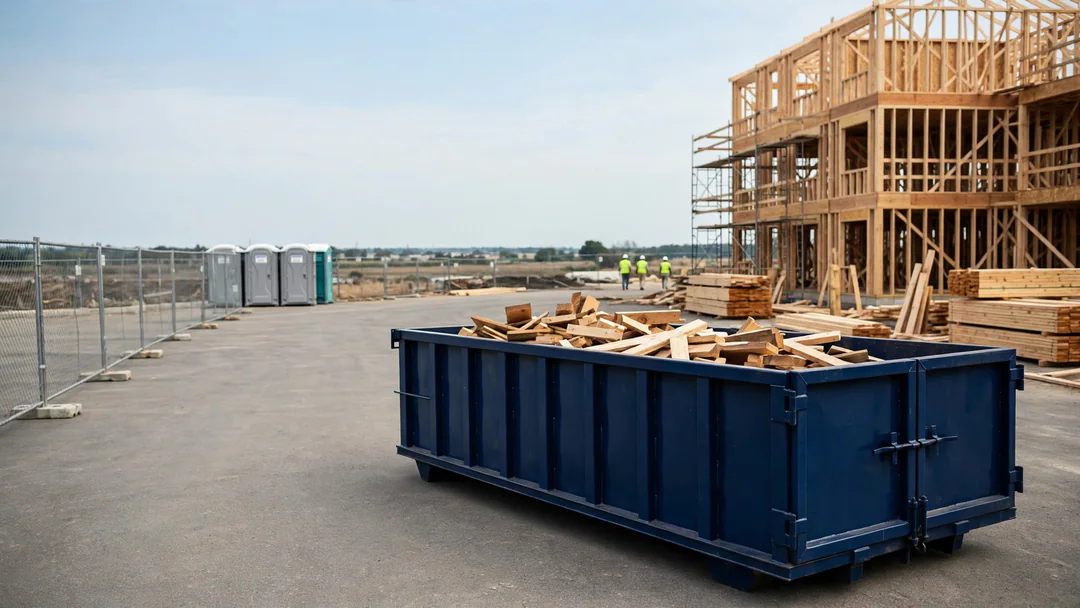
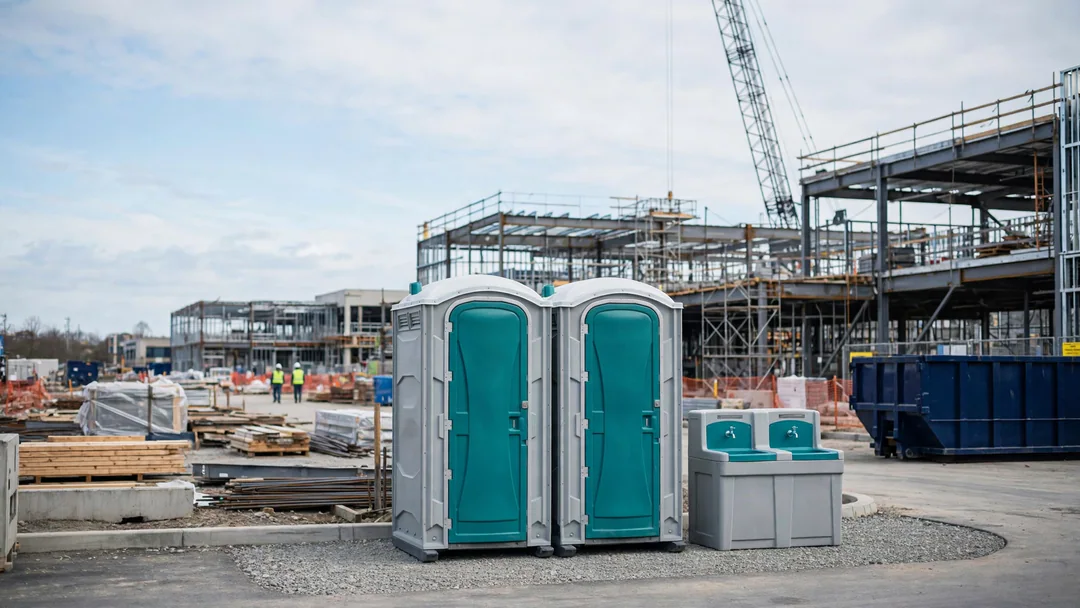
Wisconsin rental FAQs
Can I put yard waste in a dumpster in Wisconsin?
Generally no. Wisconsin restricts yard waste from landfill disposal, so leaves, grass and brush usually need to go to a compost site or a separate yard-waste load. Ask your provider whether they offer a clean brush or yard-waste container.
Do I need a permit for a dumpster in Wisconsin?
Not usually for a private driveway. A container on a street, sidewalk, alley or terrace typically needs approval from the local municipality, and snow-season parking rules can affect street placement. Check with your city, village or town.
Can I rent a dumpster in winter in Wisconsin?
Yes. Providers deliver year-round, but the placement spot should be plowed and firm. Snow and ice inside the container add weight, so keep it covered when possible and avoid tossing snow in with debris.
What do I do with old TVs and computers?
Wisconsin bans many consumer electronics from landfills, so they should not go in a dumpster. Take them to an electronics recycling site or a collection event in your county.
Do portable toilets freeze in Wisconsin winters?
They can. Providers typically add antifreeze to the holding tank and may service units more often when it is very cold. Tell your provider how long the unit will be out so they can plan winter service.
How far ahead should I book porta potties for a summer event?
For peak summer weekends, especially around major festivals, book as early as you can. Several weeks ahead is a reasonable minimum, and ADA units and restroom trailers can be reserved sooner.
Wisconsin sources and official resources
States neighboring Wisconsin
Ready to book a dumpster?
Planning a project in Wisconsin? Share your ZIP code and dates to check provider availability.