
Container Sizes
Small Dumpster Rental
Small roll-offs fit where big ones cannot and handle heavy debris safely. Here is when a 10 or 15 yard container is the right call.
One quick call to a real person. You approve the price before anything ships.
- All 50 states + DC
- Price confirmed before delivery
- Pricing explained up front
- 10–40 ydRoll-off sizes
- 50 + DCStates served
- 7–14 daysTypical rental period
- Same-dayDelivery when available
What is considered a small dumpster?
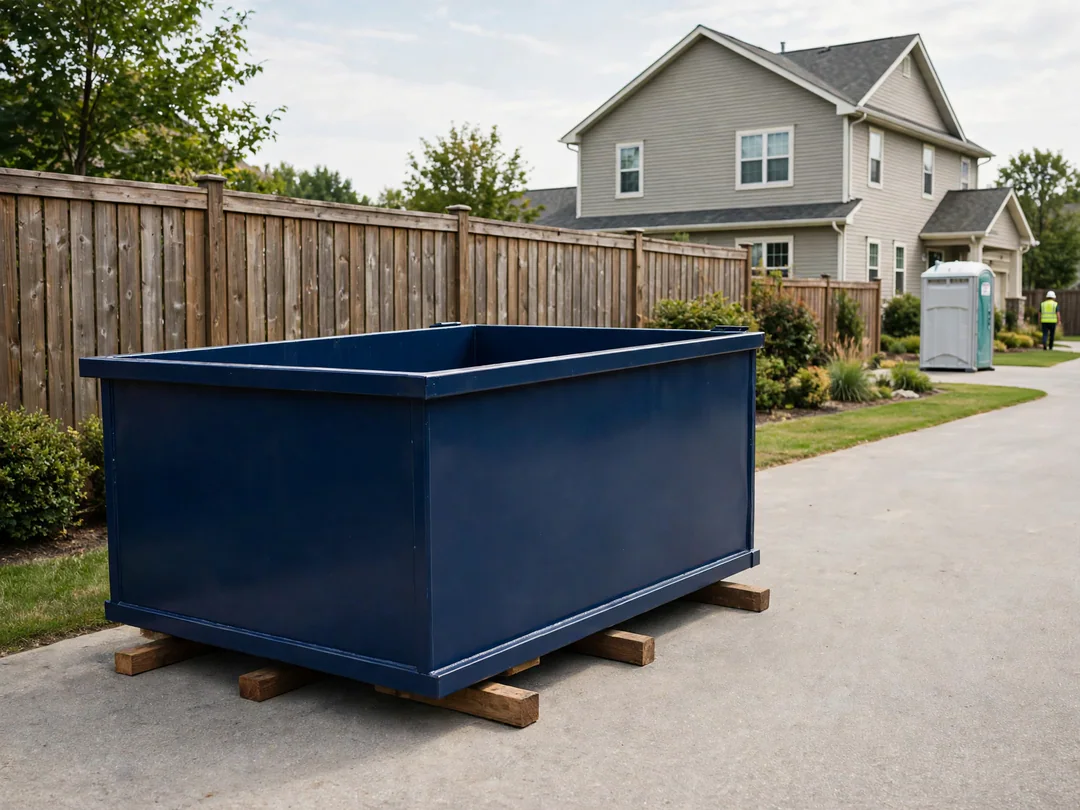
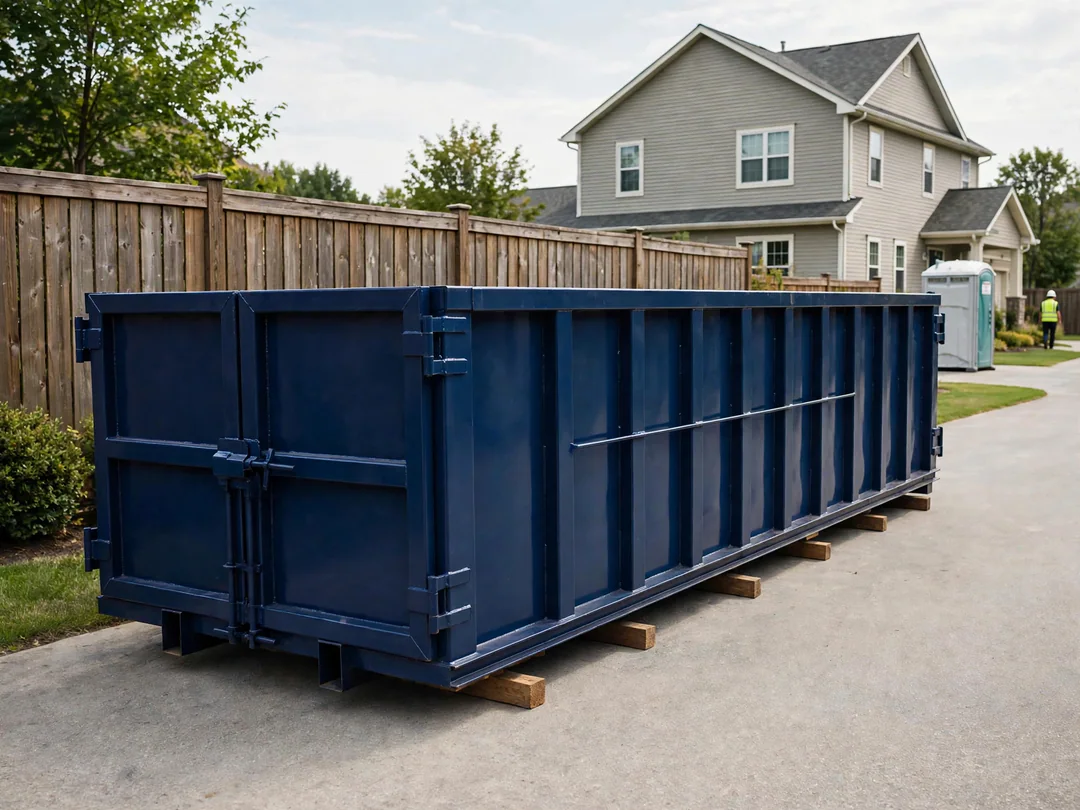
Small dumpsters usually mean 10 and 15 cubic yard roll-offs, and some haulers also offer sizes under 10 yards. A 10-yard holds roughly three to four pickup-truck loads and often measures about 12 to 14 feet long. These sizes suit single-room projects, cleanouts, and heavy materials. Exact dimensions vary by hauler.
Small Dumpsters: dumpster sizes at a glance
| Size | Typical dimensions | Holds about |
|---|---|---|
| 10-yard | ~12 ft L × 8 ft W × 3.5 ft H | 3–4 pickup-truck loads |
| 15-yard | ~16 ft L × 8 ft W × 4 ft H | 4–6 pickup-truck loads |
| 20-yard | ~22 ft L × 8 ft W × 4.5 ft H | 6–8 pickup-truck loads |
- Weight: heavy debris like concrete, dirt or shingles reaches the weight allowance before the container is full, so it usually goes in a smaller container. See dumpster weight limits.
- Permits: a dumpster on your own driveway usually needs no permit; one on a street or sidewalk often does. See dumpster permits.
Projects that fit a small container
Small roll-offs cover a surprising number of home and light commercial jobs.
- Single bathroom remodel or vanity and tile replacement
- One-car garage or basement cleanout
- Small deck, shed, or fence removal
- Carpet and pad removal from a few rooms
- Concrete, brick, dirt, or stone in limited quantities
- Spring yard cleanup with branches and shrubs
10-yard vs. 15-yard: how to choose
The difference is about five cubic yards, which is roughly one and a half to two pickup-truck loads. A 10-yard is the go-to for heavy material and very small projects. A 15-yard adds room for a kitchen tear-out or a cleanout that includes furniture, while still fitting most driveways. If your debris is mostly heavy, the smaller box is often better even if volume seems low, because it helps keep the load within safe weight. For full dimensions, see dumpster sizes.
| Size | Typical footprint | Wall height | Best for |
|---|---|---|---|
| 10-yard | About 12–14 ft × 7–8 ft | About 3–4 ft | Heavy debris, one-room projects, small cleanouts |
| 15-yard | About 14–16 ft × 7–8 ft | About 4–4.5 ft | Kitchen remodel, garage with furniture, small roof |
Why small containers suit heavy debris
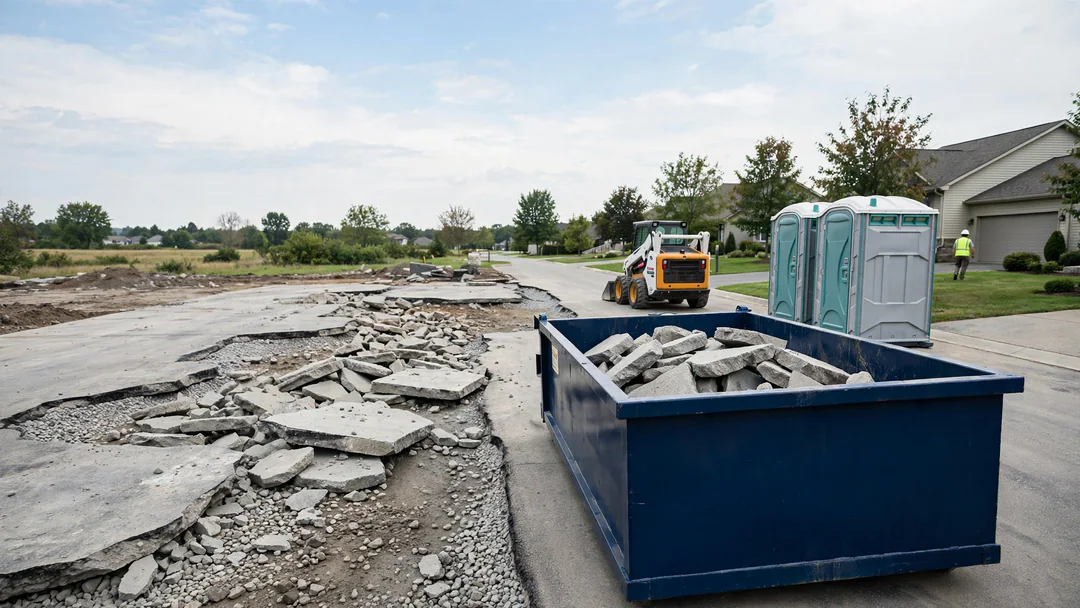
Concrete, brick, dirt, and roofing are dense. A large box filled with them can exceed what the truck may legally carry. Many haulers require heavy materials to go in 10-yard or similar containers and may set fill lines below the top of the walls. See concrete dumpster rental for how heavy-debris loads are typically handled.
Fitting a dumpster into tight spaces
Small containers are easier to place on short driveways, narrow lots, and townhouse parking pads. Low walls make loading easier for homeowners without ramps or helpers. Even so, the truck still needs straight-line access and overhead clearance. Measure your space, note gates, wires, and branches, and share the details with the provider. Our driveway prep guide covers what to check.
When a small box is too small
If the project involves several rooms, a whole-home cleanout, or lots of bulky furniture, a small container may need multiple swaps. In that case a 20-yard or larger usually costs less overall. See large dumpster rental if your volume is substantial.
Loading a small dumpster for maximum capacity
With limited volume, packing matters. Lay flat pieces on the floor, break down furniture, and fill corners with small debris. Avoid tossing items loosely, which leaves air gaps. Keep the load below the top of the walls and below any fill line the provider marks for heavy material.
Questions to ask before booking a small container
Because small boxes are often used for heavy or specialized loads, a few questions up front prevent surprises. Ask the provider what weight is included and how overages are billed, whether mixed loads are allowed or the box must hold a single material, and whether there is a fill line for concrete, dirt, or roofing. Confirm the exact footprint and wall height of the container they will deliver, since these vary between fleets. Finally, ask whether the box has a rear door, which makes wheelbarrow loading far easier on small jobs.
Small Dumpsters FAQs
Are there dumpsters smaller than 10 yards?
Some haulers offer smaller containers, but availability varies widely. Ask your provider what sizes they stock in your area.
Will a 10-yard fit in my driveway?
Many standard driveways can fit a 10-yard, but measure length and width and leave space for the truck to approach. Footprints vary by hauler.
Can I put dirt in a small dumpster?
Often yes, and small containers are commonly preferred for dirt. Many providers require clean loads and may set fill limits.
Is a small dumpster cheaper?
Smaller containers usually cost less to rent, but needing a second haul can erase the savings. Pick the size that fits in one load.
Can I load a small dumpster through the door?
Many small roll-offs have a rear swing door that lets you walk or wheel debris in. Not every container has one, so ask your provider if door loading matters for your project.
Related pages
Ready to book a dumpster?
Share your ZIP code and project details. We will route it to an available provider near you.