
Illinois · Midwest
Dumpster & Porta Potty Rental in Illinois
Plan a roll-off dumpster or portable toilet rental anywhere in Illinois, with state-specific guidance on permits, disposal and seasons.
One quick call to a real person. You approve the price before anything ships.
- All 50 states + DC
- Price confirmed before delivery
- Pricing explained up front
Can I rent a dumpster or porta potty in Illinois?
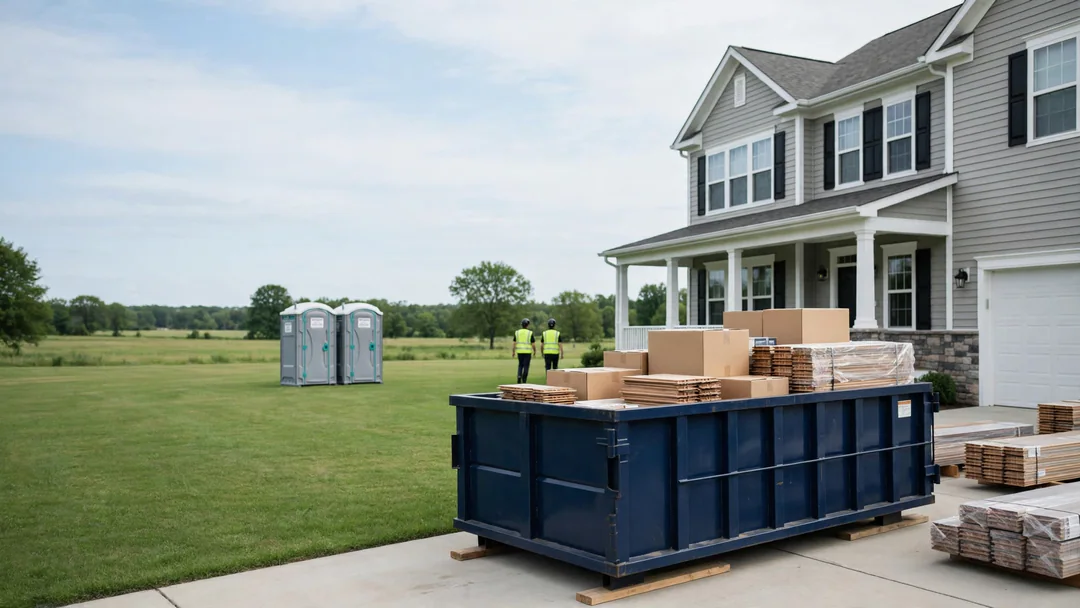
Yes. We coordinate roll-off dumpster and portable toilet rentals across Illinois through independent local providers. Pricing, sizes and delivery windows depend on the provider serving your ZIP code, and permits are handled at the city or county level when equipment goes on a public street.
Dumpster and portable toilet rental in Illinois
Illinois combines one of the largest urban areas in the country with wide stretches of farmland. Chicago and its suburbs account for much of the state's rental demand, with dense neighborhoods, alleys, and tight street parking, while downstate cities such as Rockford, Peoria, Springfield, and Champaign have more driveway space and a different pace of work.
Haul & Hygiene coordinates with independent haulers and sanitation providers in our network across Illinois. Your provider handles delivery, servicing, and disposal; we help you pick the right equipment and understand which local approvals to look into before the truck arrives. New to renting? Read our how it works page first.
Dumpster rental in Illinois: what to know
In Chicago, alley access and narrow lots often favor smaller footprints, so 10- and 15-yard containers are frequent choices for remodels and cleanouts, while 20- and 30-yard containers suit larger rehabs and garage teardowns where space allows. Suburban and downstate projects with wider driveways more often use 20- to 40-yard sizes. Exact sizes and weight allowances vary by provider and location.
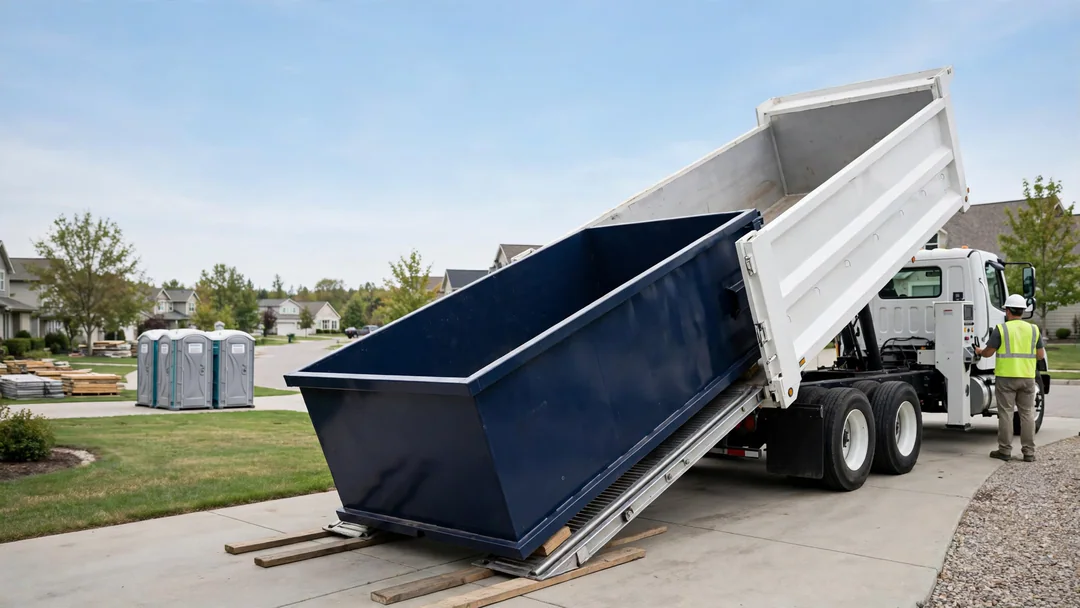
Brick, plaster, and concrete from older buildings are heavy, so watch weight limits. Measure the alley width, overhead wires, and any garage approach before delivery. In winter, plan around snow piles and plowing. Compare options in our dumpster size guide and small dumpster rental page.
Portable toilet rental in Illinois
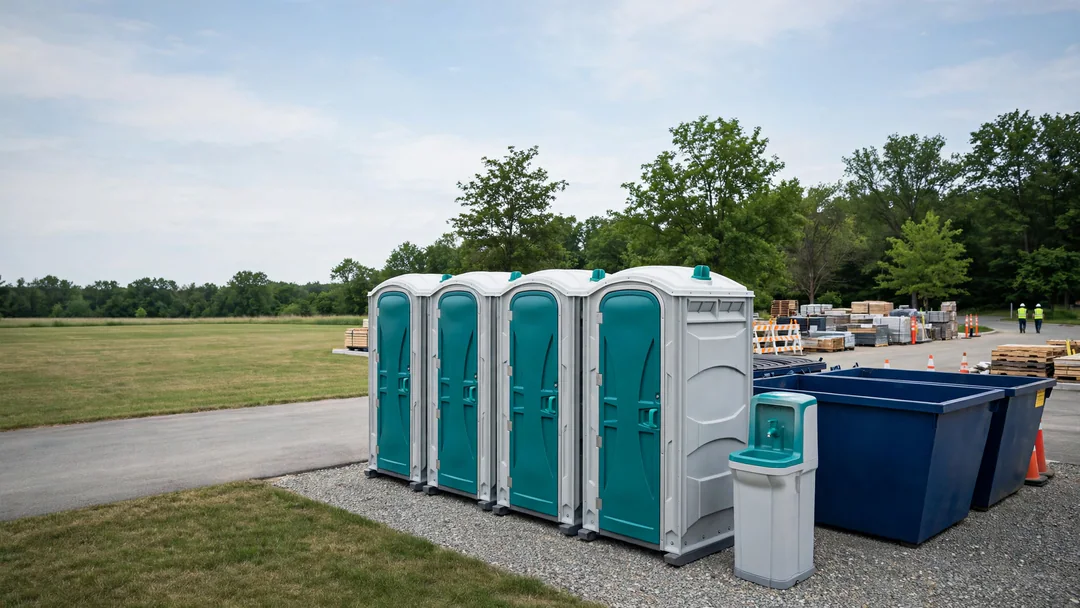
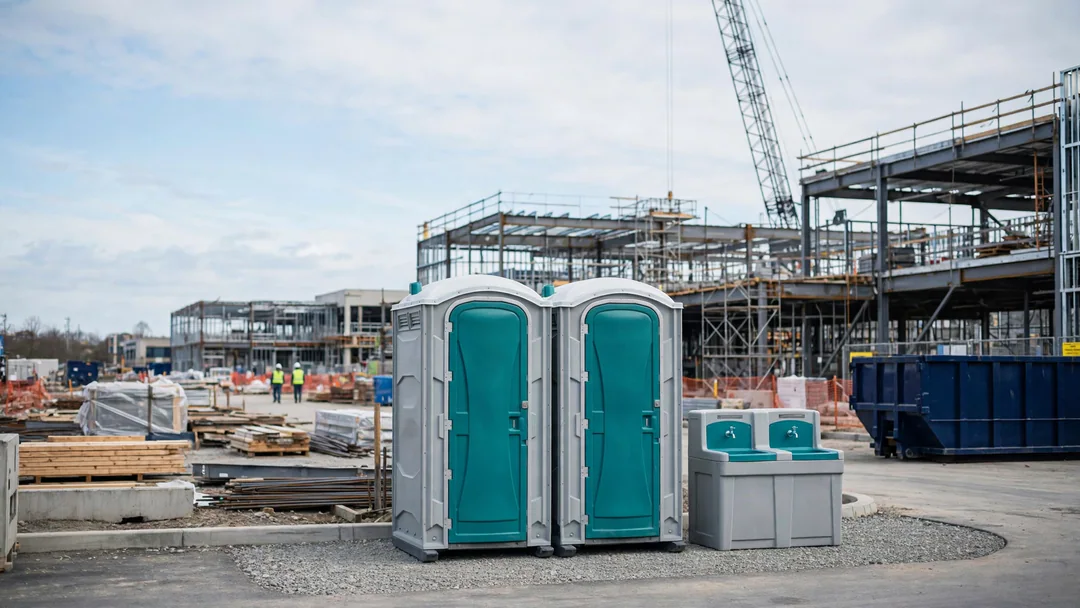
For Illinois job sites, federal OSHA rules (29 CFR 1926.51) set minimum toilet counts based on crew size; see our OSHA jobsite toilet guide. Winter projects should ask about antifreeze treatments and how service works during snowstorms. Placing units out of the wind and keeping paths clear helps.
In dense Chicago neighborhoods, units may need to sit in an alley, lot, or sidewalk area, which may involve local approvals. For events, add accessible units and hand-washing stations. Farm operations with seasonal crews may prefer units on a trailer that can move between fields; see our portable toilet trailer page.
Climate and seasonal considerations
Illinois winters can be harsh, especially in the north, with stretches of extreme cold, wind, and snow. Lake Michigan can add lake-effect snow near the shore. Summers are hot and humid, and spring and summer storms, including severe thunderstorms and tornadoes, are possible across the state.
Winter affects both product lines. Containers may need a cleared, salted spot, and snow plowing can make street placement more complicated, so ask your provider about timing. Frozen debris can be harder to unload. Portable toilets may need winterizing treatments and more attention to access paths. In summer heat, plan more frequent restroom service and hand-washing capacity. See our winter portable toilet guide.
Construction activity and common projects
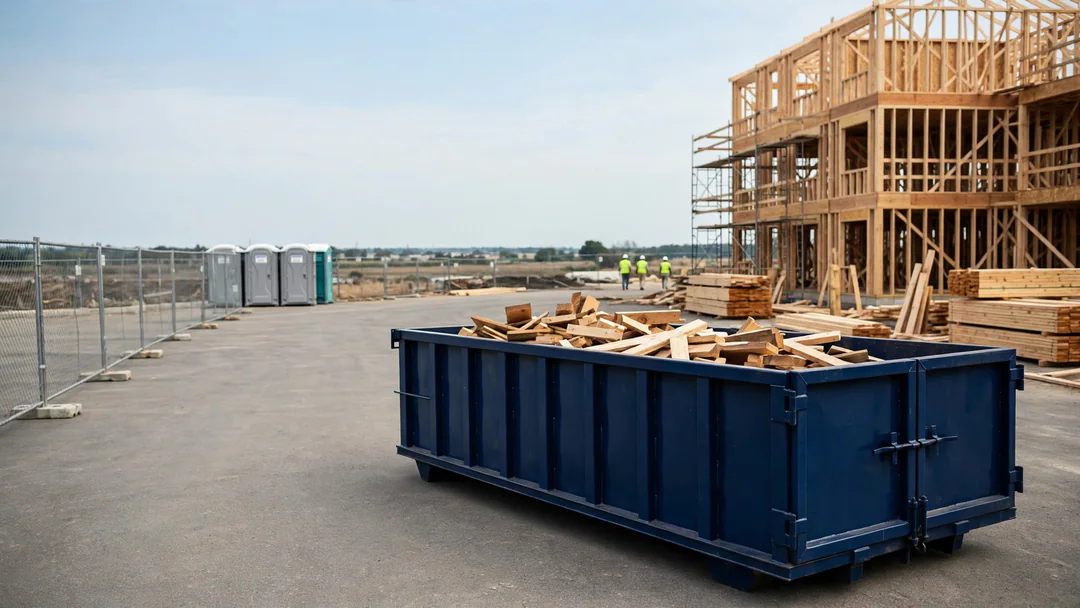
Chicago-area construction includes high-rise and mid-rise buildings, rehab of older two-flats and greystones, garage replacements, porch rebuilds, commercial interiors, and infrastructure work. Suburban growth brings subdivisions, warehouses, and retail. Downstate, projects often involve university and healthcare facilities, manufacturing sites, and agricultural buildings such as machine sheds, grain facilities, and barn repairs.
Homeowners commonly rent for kitchen and bath remodels, basement flood cleanups, roofing, and estate cleanouts. Farm operations may need containers for building demolition or cleanup and restrooms for seasonal crews. See our commercial construction and demolition dumpster pages, plus our construction waste management guide.
- Chicago alley garage replacements
- Two-flat and greystone rehabs
- Porch and deck rebuilds
- Basement flood cleanups
- Suburban subdivision and warehouse construction
- Farm building demolition and cleanup
- Street festivals and block parties
- County fairs and harvest events
Disposal rules and restricted materials
The Illinois Environmental Protection Agency (Illinois EPA) regulates solid waste facilities at the state level, while counties and municipalities handle much of the local planning, recycling, and household hazardous waste collection. In the Chicago area, loads typically pass through transfer stations before reaching a landfill, and construction debris may go to a recycling facility depending on the material.
Like many states, Illinois restricts certain items from regular landfill disposal, such as tires, lead-acid batteries, used oil, and appliances with refrigerant, and yard waste is commonly managed separately. Hazardous chemicals should never go in a rental container. Accepted materials vary by hauler and facility, so confirm with your provider. See what you cannot put in a dumpster.
Permits in Illinois
In Chicago, many homes and buildings have alley access, and placing a container in an alley or on the street generally counts as using the public way, which typically requires a city permit. Requirements can include reflective markings, specific placement rules, and time limits, and they can change, so confirm current rules with the City of Chicago before delivery. Your provider may help with the process.
Suburbs set their own rules, and some limit containers on streets or require permits even for driveway placement in certain cases. HOAs and condo boards can add restrictions. Downstate, a driveway placement often needs no permit, but street placement usually does. Check our dumpster permits guide for the questions to ask.
Event sanitation planning
Illinois has a long outdoor event season, especially in summer. Chicago hosts neighborhood street festivals, block parties, concerts, lakefront events, and sports gatherings, and suburbs run their own community festivals and parades. Downstate, county fairs, harvest festivals, small-town celebrations, and farm weddings are common.
Street festivals and block parties in Chicago often involve tight placement, so restrooms may need to fit curbside or in a lot with truck access. Plan ADA-accessible units, hand-washing near food vendors, and service timing that avoids peak crowds. Rural events may need units placed for truck access on grass or gravel. See our festival and municipal event pages and the event sanitation checklist.
Cities in Illinois
- Chicago
- Aurora
- Naperville
- Joliet
- Rockford
- Springfield
- Elgin
- Peoria
- Champaign
Major metro areas: Chicago–Naperville–Elgin · St. Louis (Metro East) · Rockford · Peoria · Champaign–Urbana · Springfield · Bloomington
Services in Illinois
Illinois rental FAQs
Do I need a permit to put a dumpster in a Chicago alley?
Generally yes. Placing a container in an alley or on the street usually counts as using the public way, which typically requires a City of Chicago permit. Rules and requirements can change, so confirm with the city before delivery. Your provider may be able to help.
Can I rent a dumpster during a Chicago winter?
Yes. Providers work year-round, but clear the placement area of snow and ice and be aware that plowing can complicate street placement. Frozen debris can be harder to unload, so ask your provider about timing.
Which agency regulates solid waste in Illinois?
The Illinois Environmental Protection Agency oversees solid waste facilities statewide. Counties and municipalities also run local recycling and household hazardous waste programs, so check yours for options.
What size dumpster fits in a Chicago alley?
Many alley jobs use 10- to 20-yard containers because of tight widths and turning room. Measure the alley, note overhead wires and garage approaches, and share photos with your provider so they can recommend a size that fits.
Can I put yard waste in a rental dumpster in Illinois?
Yard waste is commonly managed separately from regular trash in Illinois, so it may not be accepted in a mixed load. Some providers offer dedicated yard waste containers. Ask your provider before loading.
Do farm projects in downstate Illinois need special planning?
Often. Rural sites may have soft ground, long gravel lanes, and gates, so tell your provider about access and turning room. Materials such as old chemical containers or tires usually need separate handling.
Sources and official resources
Neighboring states
Ready to book a dumpster?
Planning a project in Illinois? Share your ZIP code and dates to check provider availability.