
Kentucky · South
Dumpster & Porta Potty Rental in Kentucky
Plan a roll-off dumpster or portable toilet rental anywhere in Kentucky, with state-specific guidance on permits, disposal and seasons.
One quick call to a real person. You approve the price before anything ships.
- All 50 states + DC
- Price confirmed before delivery
- Pricing explained up front
Can I rent a dumpster or porta potty in Kentucky?
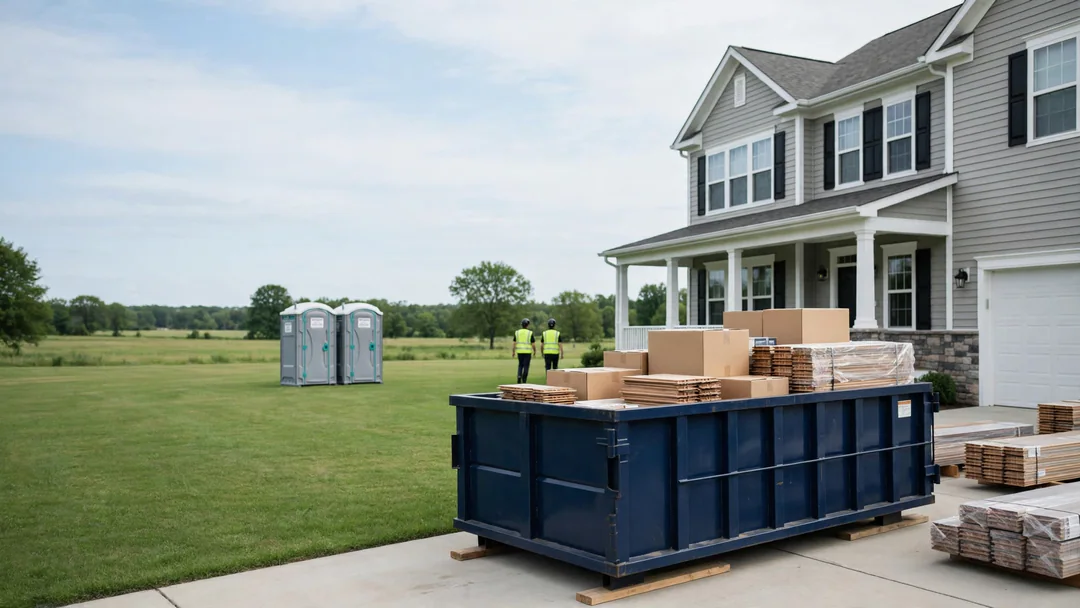
Yes. We coordinate roll-off dumpster and portable toilet rentals across Kentucky through independent local providers. Pricing, sizes and delivery windows depend on the provider serving your ZIP code, and permits are handled at the city or county level when equipment goes on a public street.
Dumpster and portable toilet rental in Kentucky
Kentucky stretches from the Mississippi River in the west to the Appalachian Mountains in the east, with the Ohio River tracing its entire northern border. Its population centers are Louisville on the Ohio, Lexington in the Bluegrass, Northern Kentucky across the river from Cincinnati, and Bowling Green in the south-central part of the state.
The regions feel very different on a delivery truck. The Bluegrass has rolling horse-farm country and tidy subdivisions, the Pennyrile and Western Coal Field are mostly farmland and small towns, and Eastern Kentucky has narrow hollows, winding two-lane roads and steep driveways.
Haul & Hygiene coordinates with independent local haulers and sanitation providers across Kentucky. We do not keep offices or trucks in the state; your provider confirms sizes, access and timing for your address.
Dumpster rental in Kentucky: what to know
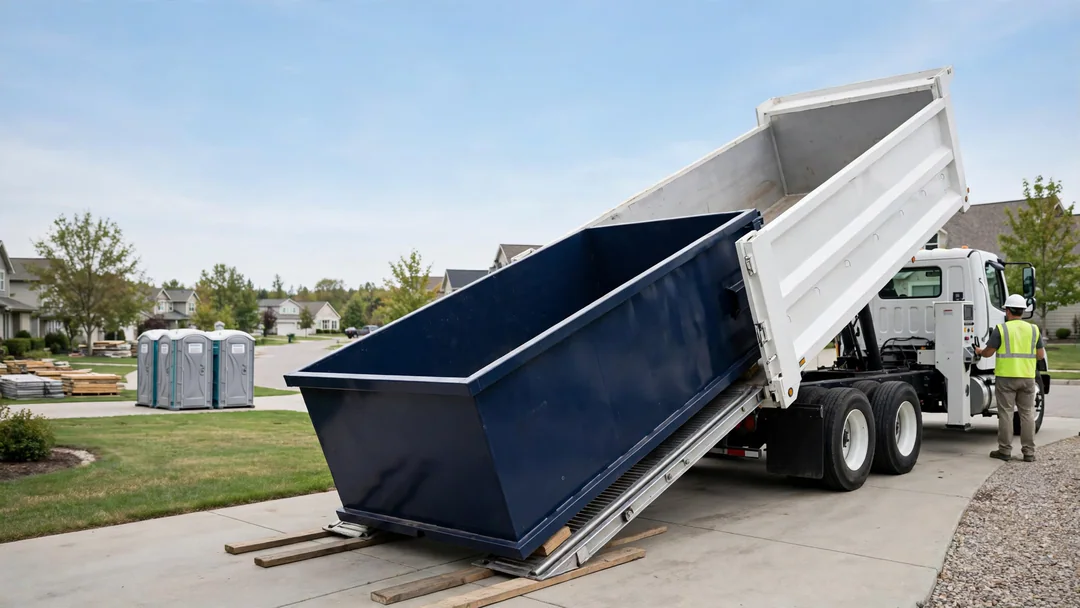
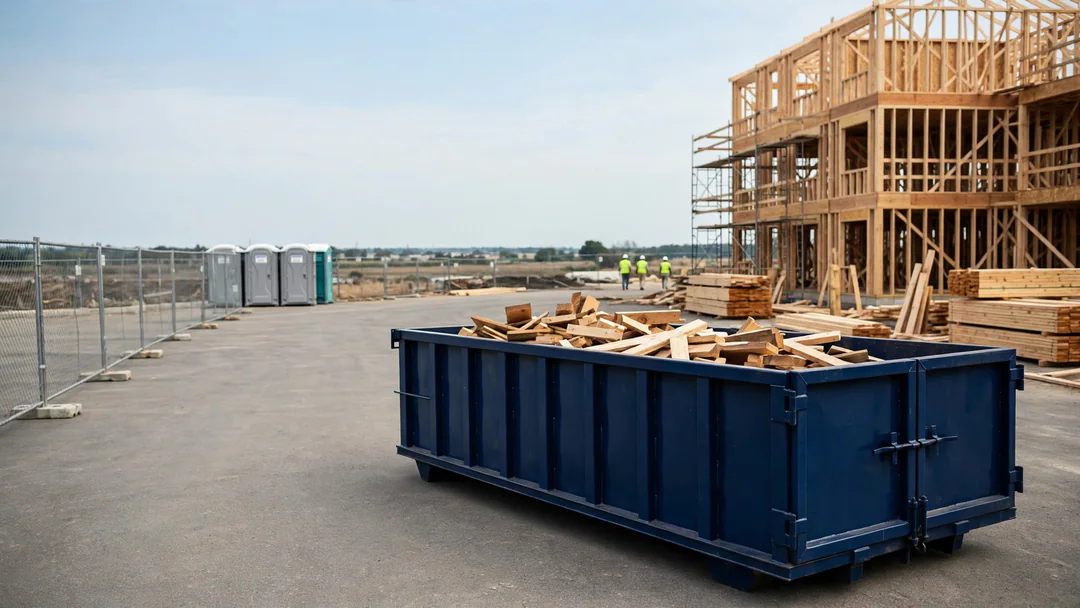
Most Kentucky homeowners choose a 15- or 20-yard container for remodels, roofing and cleanouts. Larger 30- and 40-yard containers serve new construction, commercial buildouts and big farm or estate cleanouts with bulky furniture and equipment.
Access shapes the choice in many areas. In Eastern Kentucky and other hilly places, a smaller container and truck may be the only option for a narrow road or steep gravel drive. In older Louisville neighborhoods, alleys and tight lots can limit placement, so a 10- or 15-yard container sometimes fits where a larger one will not.
Flood debris such as drywall, carpet and furniture is bulky and heavy when wet. Ask about weight allowances and swap-outs. Specs vary by provider; compare the options on the dumpster sizes page.
Portable toilet rental in Kentucky
Kentucky's humid summers increase odor and usage, so busy jobsites and events often need more frequent service. Winter cold can freeze tanks, and providers may use antifreeze or adjust schedules on long-term rentals.
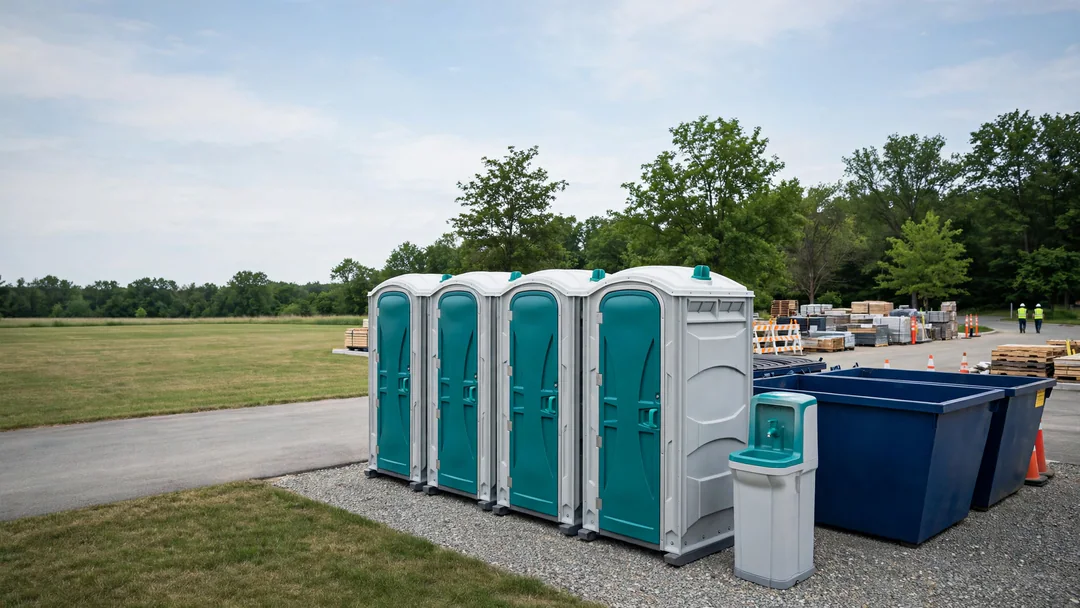
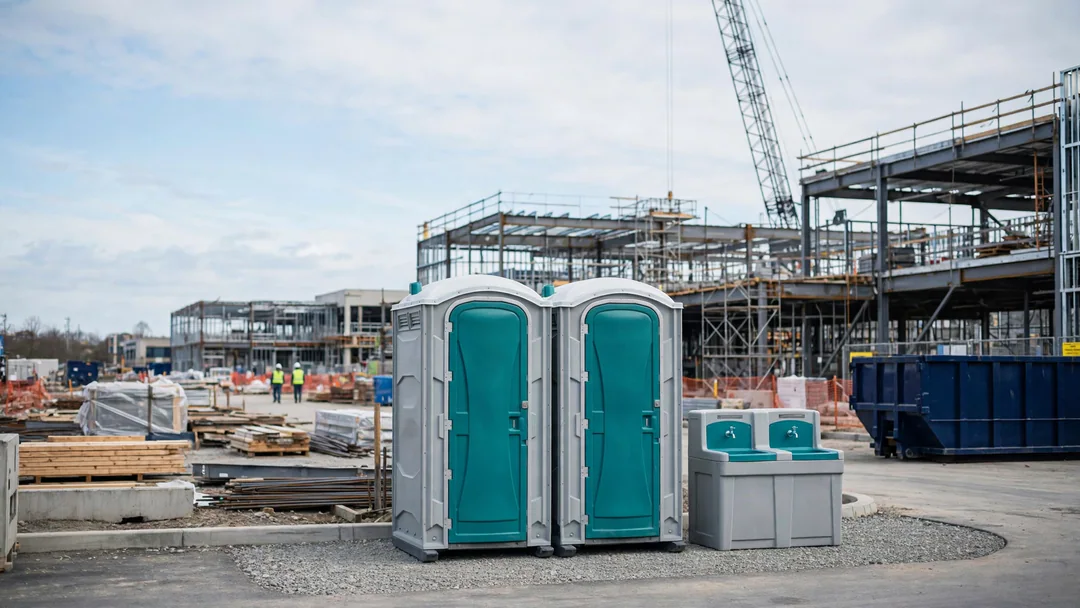
Construction projects generally follow OSHA 29 CFR 1926.51, which ties the number of toilets to crew size. Large events such as race days and festivals need planning for peak crowds, alcohol service and accessible units that follow ADA guidance. Restroom trailers are a common choice for farm weddings and distillery events.
Rural sites may have soft pasture, gravel or slopes, so share access details when you call. See our restroom trailer page and quantity guide for planning.
Climate and seasonal considerations
Kentucky has a humid subtropical climate with four distinct seasons: hot, humid summers, cool and sometimes icy winters, and wet springs. Severe thunderstorms are common in spring and summer, and the western part of the state sees tornado risk.
Water is the bigger planning issue. Heavy rain can cause flash flooding in Eastern Kentucky's hollows and river flooding along the Ohio, Kentucky and Cumberland rivers, which leads to major cleanup work in affected communities. Soft, saturated yards can also make it hard to place a heavy container without damage.
Winter ice storms can delay deliveries on hilly roads, and portable toilets may need antifreeze when temperatures drop. Rain adds weight to open containers, so ask about dumpster weight limits and keep a tarp handy.
Construction activity and common projects
Kentucky's construction activity reflects a strong manufacturing base. Toyota's large plant in Georgetown, Ford's plants in Louisville, the Corvette assembly plant in Bowling Green and a growing number of battery and parts suppliers drive industrial and commercial building, along with housing for the workers who follow.
Louisville adds logistics and warehouse projects tied to the UPS Worldport air hub, plus renovation of older homes in neighborhoods like the Highlands and Old Louisville. Lexington's growth is shaped by the University of Kentucky and its urban service boundary, which pushes infill and redevelopment. Bourbon distilleries and visitor centers have also brought new construction to the central part of the state.
Homeowners commonly rent for roof replacements, basement and flood cleanups, remodels and estate cleanouts. See home renovation dumpsters for project planning.
- Flood and storm debris cleanup
- Roof replacements after hail and wind
- Older-home and shotgun-house renovation
- Industrial and warehouse construction
- Farm and horse-barn cleanouts
- Estate and family-home cleanouts
- Derby season and race-day events
Disposal rules and restricted materials
Debris from a roll-off in Kentucky usually goes to a permitted contained landfill, a construction and demolition debris landfill or a transfer station, depending on the material and where you are. The local hauler picks the facility and may sort recyclable metal, concrete or cardboard where outlets exist.
As in most states, certain items need separate handling: tires, lead-acid batteries, appliances that contain refrigerant, electronics in some areas, and liquids such as paint and motor oil. Many counties run collection days or drop-off sites for household hazardous waste and tires.
The Kentucky Energy and Environment Cabinet oversees waste management, and counties handle local solid waste planning. Because accepted materials vary by facility, confirm with your provider and review what you cannot put in a dumpster before loading.
Permits in Kentucky
Kentucky does not have a statewide dumpster permit. Placement rules come from the local government, which may be a city, a county or a merged government such as Louisville Metro or Lexington-Fayette Urban County Government.
Generally, a container on a private driveway or lot does not need a permit. Placing one on a street, alley or sidewalk usually requires right-of-way approval, and some jurisdictions ask for lights or reflectors at night. Older urban neighborhoods with narrow streets and limited parking, such as parts of Louisville and Covington, are where street permits come up most.
Homeowners associations are common in suburban Kentucky and may limit visible containers or set time limits. Confirm with your city or county and your HOA before delivery. Our dumpster permit guide explains what to ask.
Event sanitation planning
Kentucky's best-known event is the Kentucky Derby at Churchill Downs in Louisville, held on the first Saturday in May and surrounded by the Kentucky Derby Festival. Keeneland's spring and fall race meets in Lexington draw crowds and tailgaters too.
The Kentucky State Fair takes place each August at the Kentucky Exposition Center in Louisville, and county fairs, horse shows and church picnics fill the summer. Bardstown's Kentucky Bourbon Festival celebrates the distilling industry each fall, and college football and basketball keep fall and winter calendars busy.
Rural farm weddings and distillery events are popular in spring and fall. For any gathering, see our festival restroom page and the event sanitation checklist.
Cities in Kentucky
- Louisville
- Lexington
- Bowling Green
- Owensboro
- Covington
- Richmond
- Georgetown
- Elizabethtown
- Florence
- Paducah
Major metro areas: Louisville/Jefferson County (KY–IN) · Lexington-Fayette · Cincinnati (Northern Kentucky) · Bowling Green · Elizabethtown–Fort Knox · Owensboro · Huntington–Ashland (KY side)
Services in Kentucky
Kentucky rental FAQs
Do I need a permit to place a dumpster in Kentucky?
Not at the state level. A container on your own driveway usually needs no permit, while placement on a street or sidewalk typically needs approval from your city, county or merged government. Check locally before delivery.
Can a dumpster reach a home in an Eastern Kentucky hollow?
Often, but access depends on road width, bridges, turns and the driveway grade. Describe your road when you call so the provider can suggest a smaller container or truck if needed.
What size dumpster works for flood cleanup in Kentucky?
Many homeowners use a 20- or 30-yard container for wet drywall, flooring and furniture. Wet debris is heavy, so ask about weight allowances and swap-outs.
How should I plan restrooms for a Derby party or race-day event?
Plan for peak crowds, how long guests will stay and alcohol service, which increases restroom use. Add ADA units and hand washing stations, and book early because spring demand is high.
Can I throw tires and appliances in a Kentucky dumpster?
Usually not. Tires, batteries, refrigerant appliances and liquids need separate handling. Many counties run collection programs, and your provider can explain what is accepted.
Does Haul & Hygiene cover all of Kentucky?
We coordinate with independent providers statewide, including many rural counties. Availability depends on providers near your address, so call with your ZIP code and dates.
Sources and official resources
Neighboring states
Ready to book a dumpster?
Planning a project in Kentucky? Share your ZIP code and dates to check provider availability.