
Porta Potty Use Cases
Portable Restrooms for Festivals
At a festival, restrooms are infrastructure. Lines, cleanliness, and access shape how attendees feel about the whole event.
One quick call to a real person. You approve the price before anything ships.
- All 50 states + DC
- Price confirmed before delivery
- Pricing explained up front
- 50 + DCStates served
- ADAAccessible units available
- WeeklyTypical servicing for job sites
- 1 day+Event to long-term rentals
How do I plan restrooms for a multi-day festival?
Estimate peak attendance and hours, then size restrooms by cluster rather than by single units. Spread clusters across the grounds, include accessible units and handwashing in each, and schedule servicing during off-hours between days. Confirm health department and permit requirements with the city or county, and work out truck access routes with your provider.
Think in clusters, not units
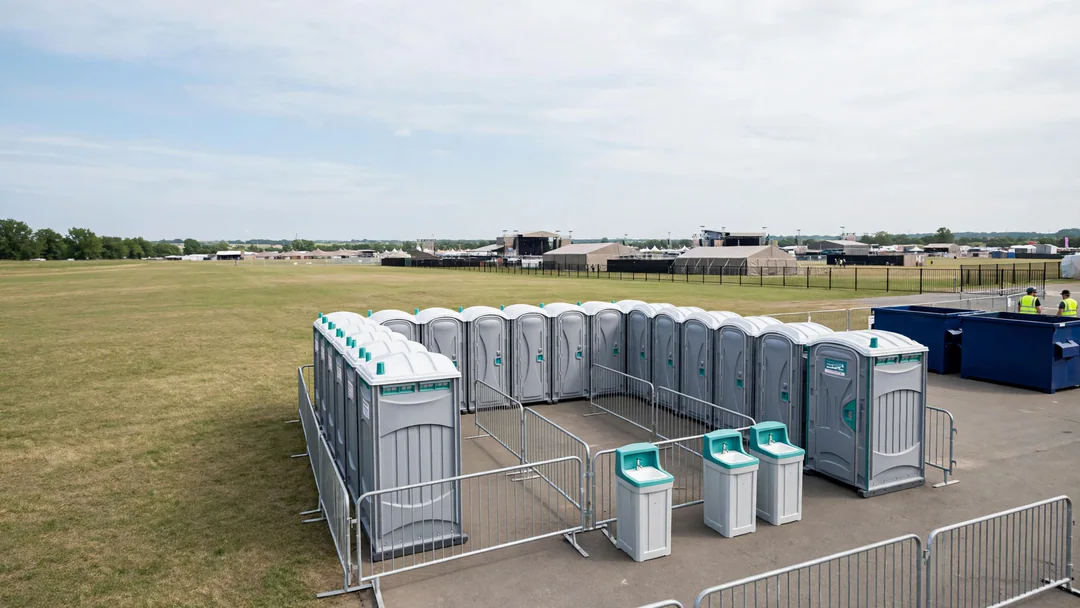
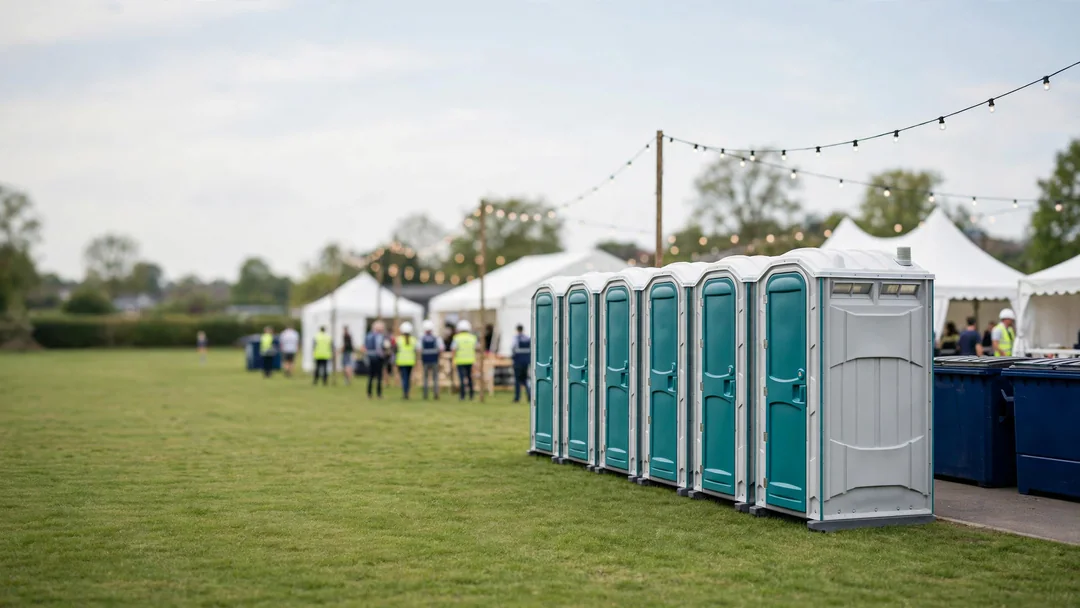
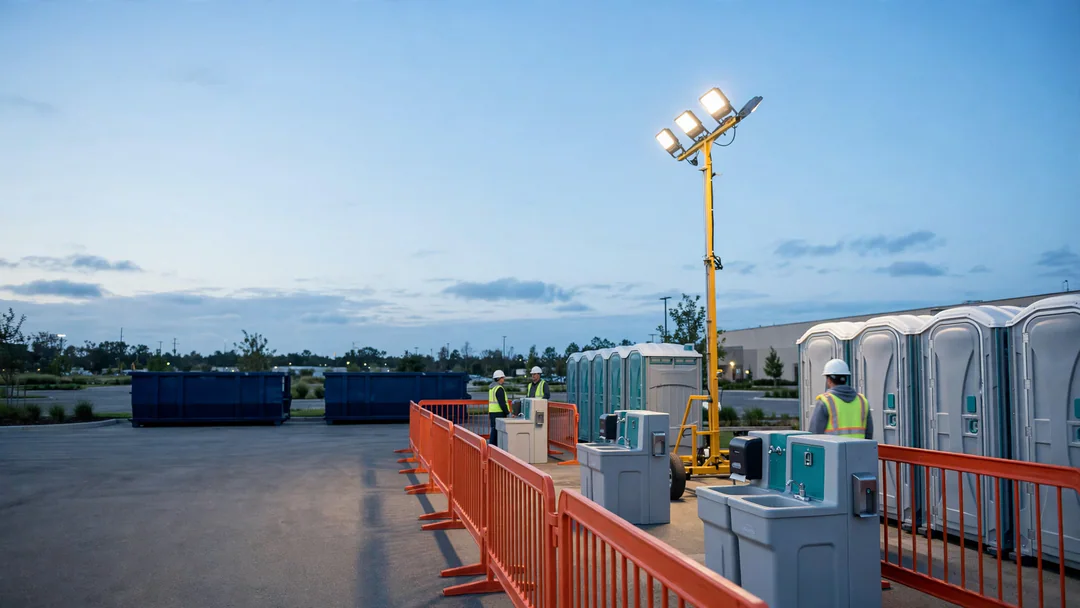
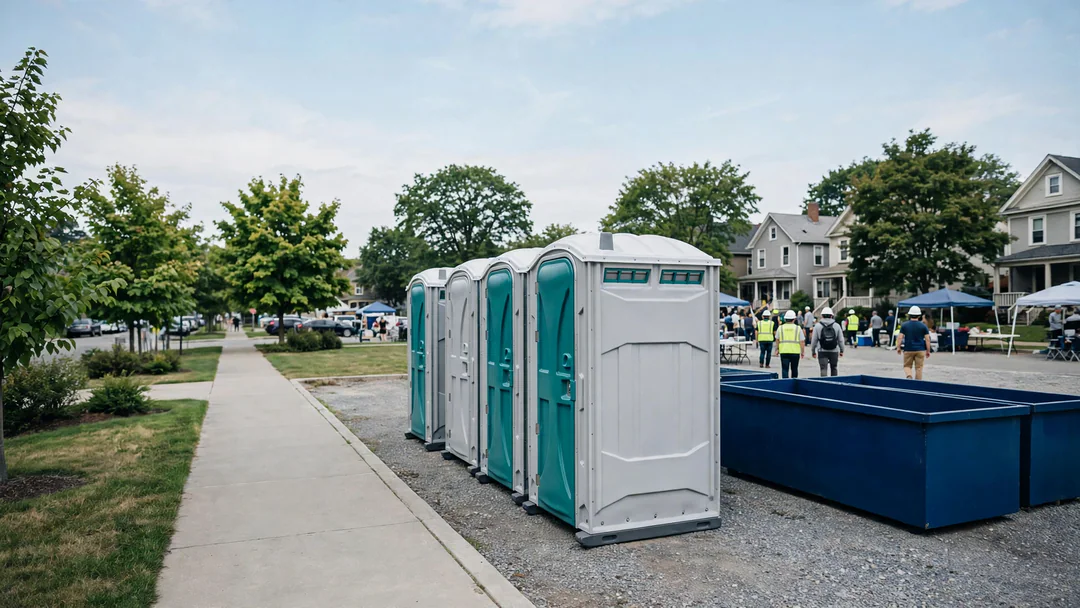
Festivals work best with restroom clusters placed near stages, food areas, entrances, and camping zones. Each cluster should include standard units, at least one accessible unit, and handwashing. Clustering makes servicing faster and helps attendees find restrooms without crossing the grounds.
- Place clusters near, but not directly beside, food and beverage areas.
- Add capacity near main stages where crowds peak between sets.
- Light every cluster for evening hours.
- Mark clusters on the festival map and signage.
Sizing for peak attendance
Restroom demand follows the crowd. Peak attendance, hours open, alcohol sales, and hot weather all increase use. Use the method on how many porta potties do I need as a baseline, then review it with your provider and any requirements from the local health department.
Multi-day servicing
Units fill and supplies run out over a long day. Plan servicing so it happens when crowds are smallest.
- Set service windows
Schedule pumping and restocking overnight or early morning between event days.
- Plan service routes
Give the provider's trucks a route that avoids crowds, stages, and camping areas.
- Arrange daytime attendants
Ask whether attendants can restock paper and sanitizer during open hours.
- Check after each day
Walk each cluster with the provider and adjust unit counts or service frequency.
Accessibility and ADA clusters
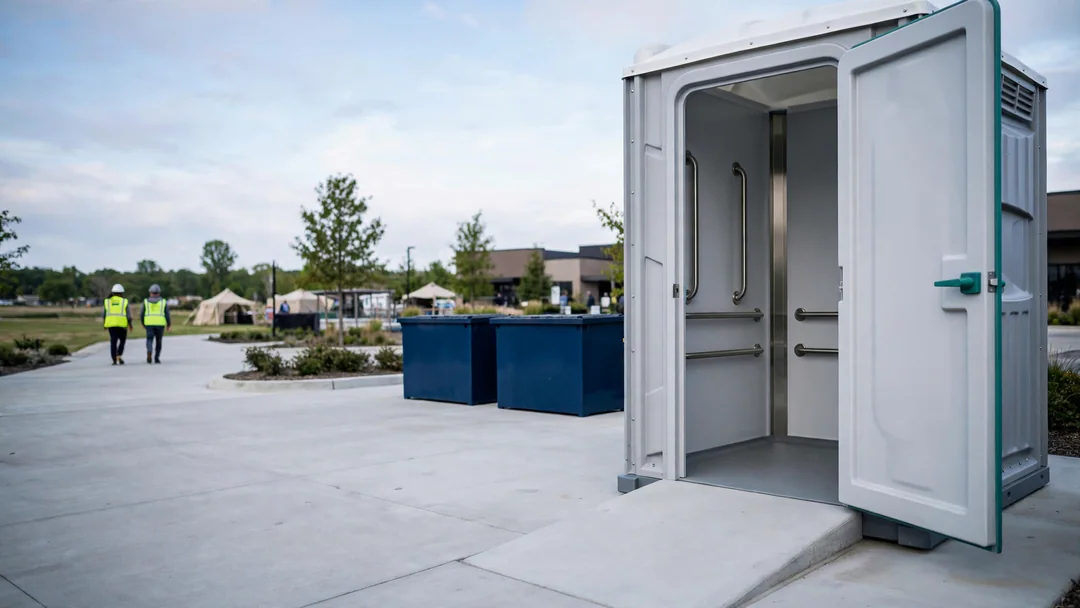
Accessible units should be part of every cluster, on firm, level ground with an accessible route from main paths. The 2010 ADA Standards for Accessible Design set requirements for accessible toilet facilities; confirm what applies to your event with the local authority. See ADA portable toilets for unit details.
Handwashing and hygiene
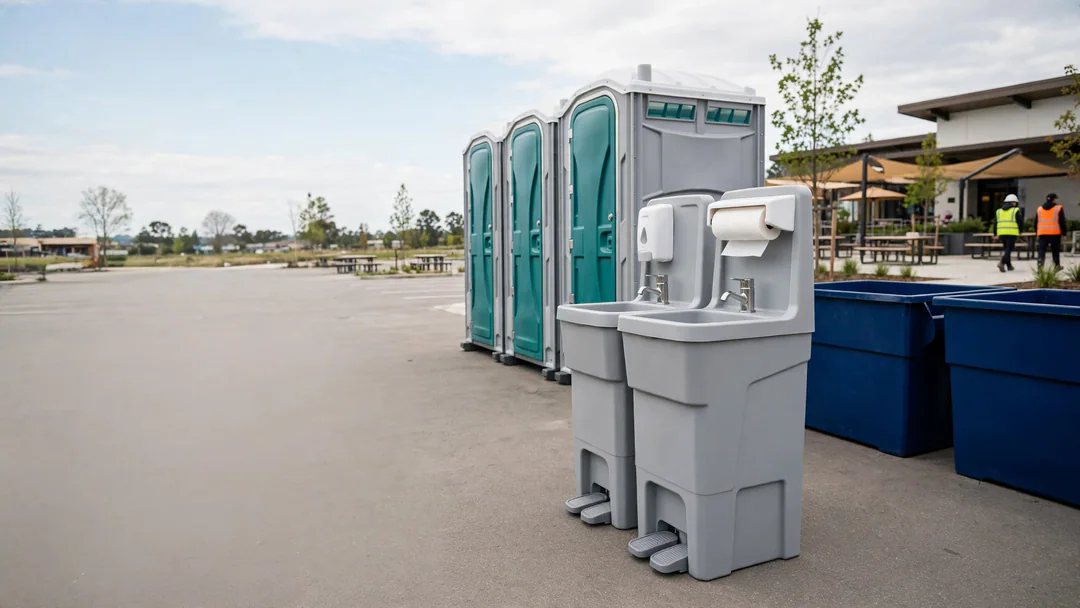
Health departments often expect handwashing near restrooms and food service. Freestanding handwashing stations need refills and gray-water removal during servicing. Sanitizer dispensers can supplement but may not replace handwashing. See hand washing stations.
Crowd flow and site layout
| Factor | Why it matters |
|---|---|
| Queue space | Lines should not block walkways, vendor booths, or emergency lanes |
| Door orientation | Facing doors away from main paths adds privacy and reduces congestion |
| Ground conditions | Soft or sloped ground can tip units or block service trucks |
| Truck access | Service trucks need a clear route to each cluster |
| Separation from stages | Too close and lines merge with the audience |
Permits and inspections
Large events usually need a special event permit, and health departments may review sanitation plans. Requirements vary by city and county. Start conversations early; see the portable toilet permits guide and the event sanitation checklist.
Building a sanitation plan with your provider
Treat sanitation like any other festival department. Share the site map, attendance estimates, and the hourly schedule with your provider early, and ask them to mark cluster locations, service routes, and staging areas. Agree on how problems will be reported during the event, such as a radio channel or a phone contact, and who on your team can approve adding units or service visits. After the event, review which clusters were busiest so next year's layout starts from real experience rather than guesses.
Keep waste and recycling plans separate from sanitation. Dumpsters for vendor trash often sit near the same service roads, so coordinate truck timing to avoid conflicts.
Frequently asked questions
Should VIP areas have restroom trailers?
Many festivals add a restroom trailer in VIP or artist areas. Trailers usually need power and sometimes water.
Do campgrounds need more restrooms?
Camping areas see use around the clock, so they usually need their own clusters and more frequent servicing.
How early should I book?
Large unit counts can stretch local inventory. Contact providers as soon as dates are set.
What about one-day events?
For smaller single-day events, see event porta potty rental.
Who handles waste disposal?
The provider pumps units and transports waste to approved facilities as part of servicing.
Related pages
Need portable toilets on site?
Share your ZIP code and project details. We will route it to an available provider near you.