Washington, DC · Mid-Atlantic
Dumpster & Porta Potty Rental in Washington, DC
Plan a roll-off dumpster or portable toilet rental anywhere in Washington, DC, with state-specific guidance on permits, disposal and seasons.
One quick call to a real person. You approve the price before anything ships.
- All 50 states + DC
- Price confirmed before delivery
- Pricing explained up front
Can I rent a dumpster or porta potty in Washington, DC?
Yes. We coordinate roll-off dumpster and portable toilet rentals across Washington, DC through independent local providers. Pricing, sizes and delivery windows depend on the provider serving your ZIP code, and permits are handled at the city or county level when equipment goes on a public street.
Dumpster and portable toilet rental in Washington, DC
Washington, DC is a federal district, not a state, so there are no counties or separate cities to sort through. The District government handles permits, trash rules and street use for every neighborhood, from Georgetown and Capitol Hill to Brookland and Anacostia. Federal land, including the National Mall and many parks, is managed separately by federal agencies.
The housing stock shapes almost every rental. Large parts of the city are rowhouses built shoulder to shoulder, with narrow streets, tight parking and rear alleys. Many homes have no driveway at all, so a container or portable toilet often has to sit in a parking lane, alley or other public space.
Haul & Hygiene coordinates with independent haulers and sanitation providers serving the District. Call us with your ZIP code and dates, and the provider confirms what fits your block and what approvals you will likely need.
Dumpster rental in Washington, DC: what to know
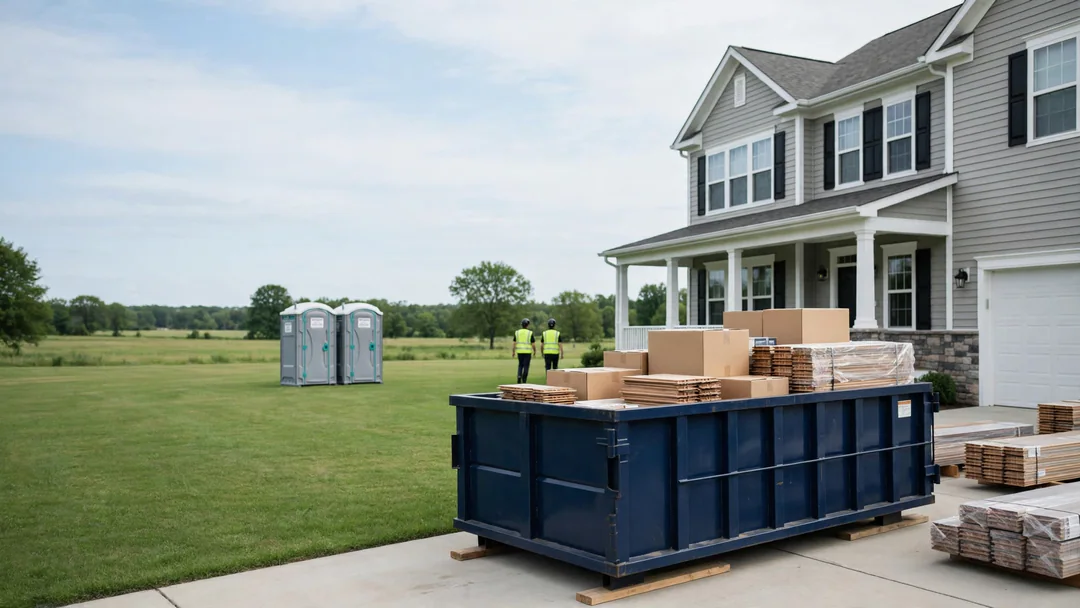
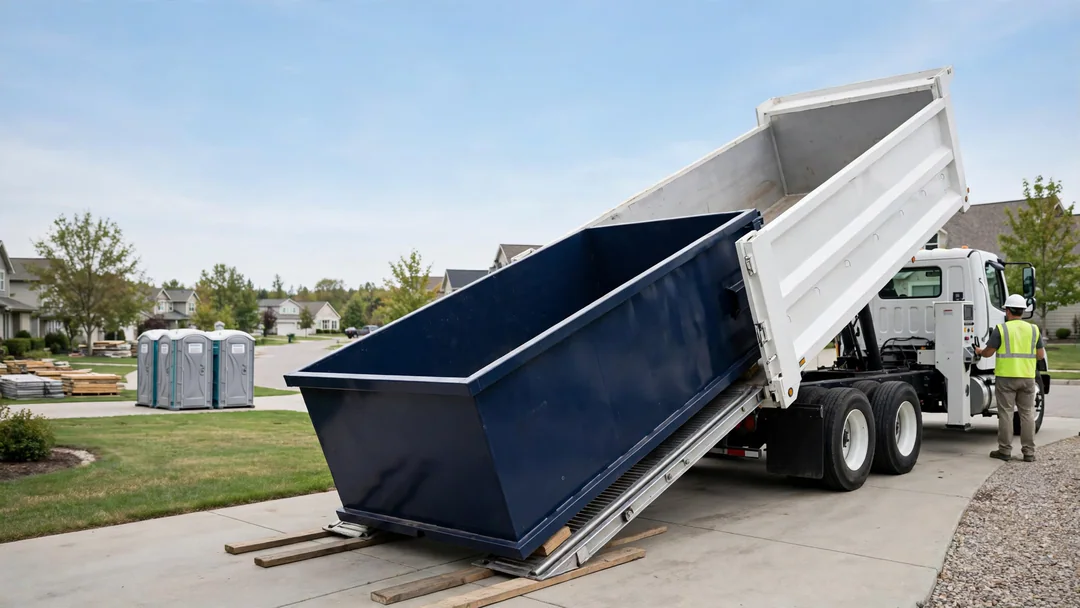
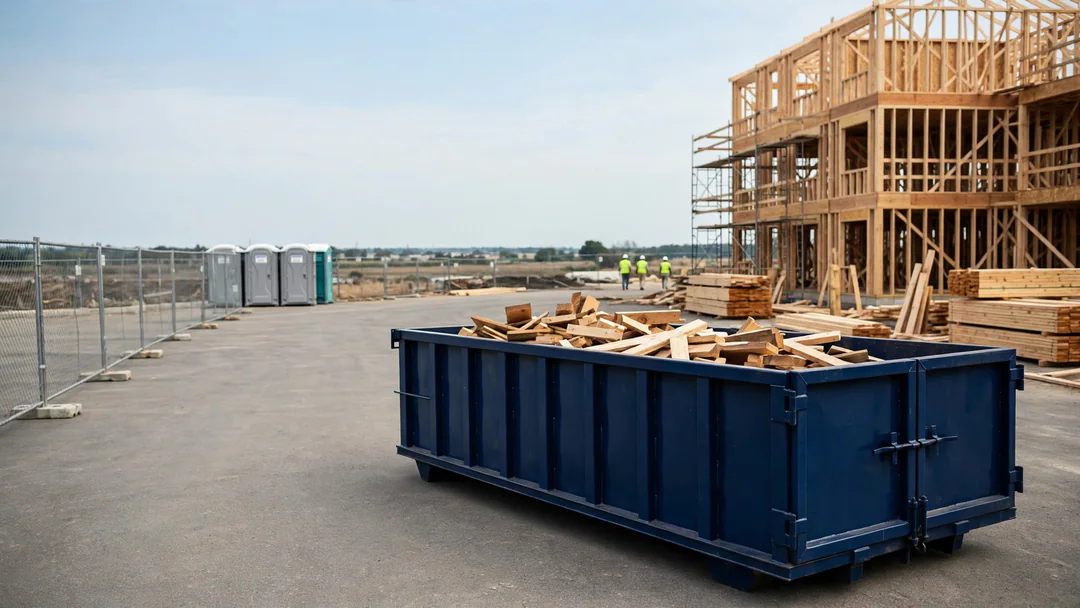
Space drives size choices in the District. A 10- or 15-yard container fits a single parking space or alley pad more easily and suits most rowhouse kitchens, baths and basement demos. Larger 20- to 30-yard boxes appear on sites with off-street space and on commercial projects. See the dumpster sizes page.
Old plaster, lath, brick and concrete from rowhouses are heavy. Many projects use a small dumpster swapped more often rather than one large box, which also keeps the permitted footprint smaller.
Plan for timing. Delivery trucks need room to maneuver on narrow, parked-up streets, and some routes have rush-hour parking restrictions. Ask your provider about delivery windows and how the permit will be posted.
Portable toilet rental in Washington, DC
On rowhouse renovations, a portable toilet often has to sit in an alley, a front yard or a permitted street space, so placement and DDOT approval are the first questions. Choose a spot the service truck can reach without blocking an alley.
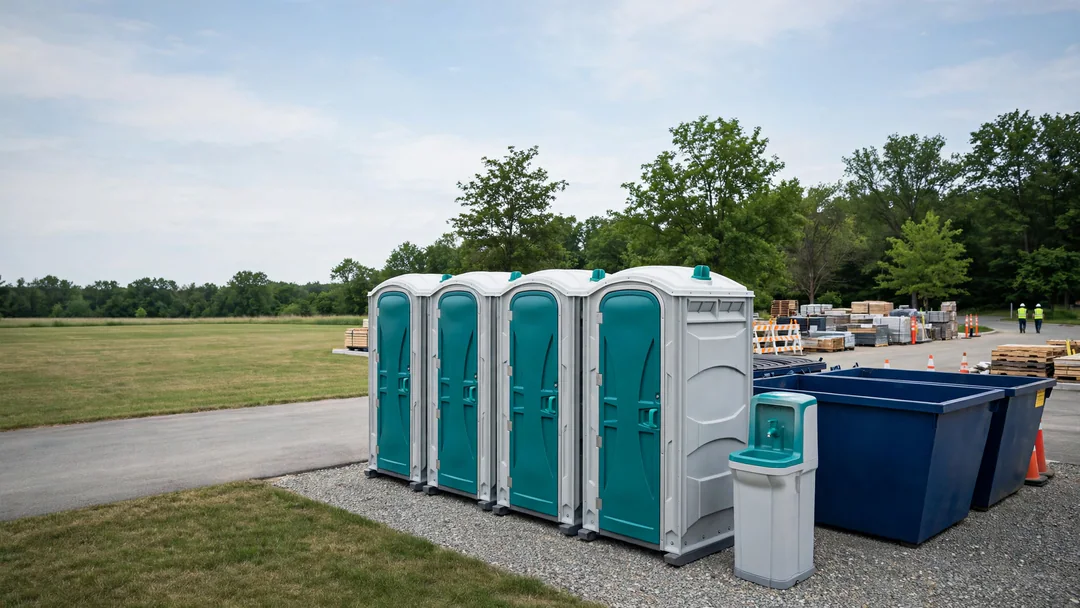
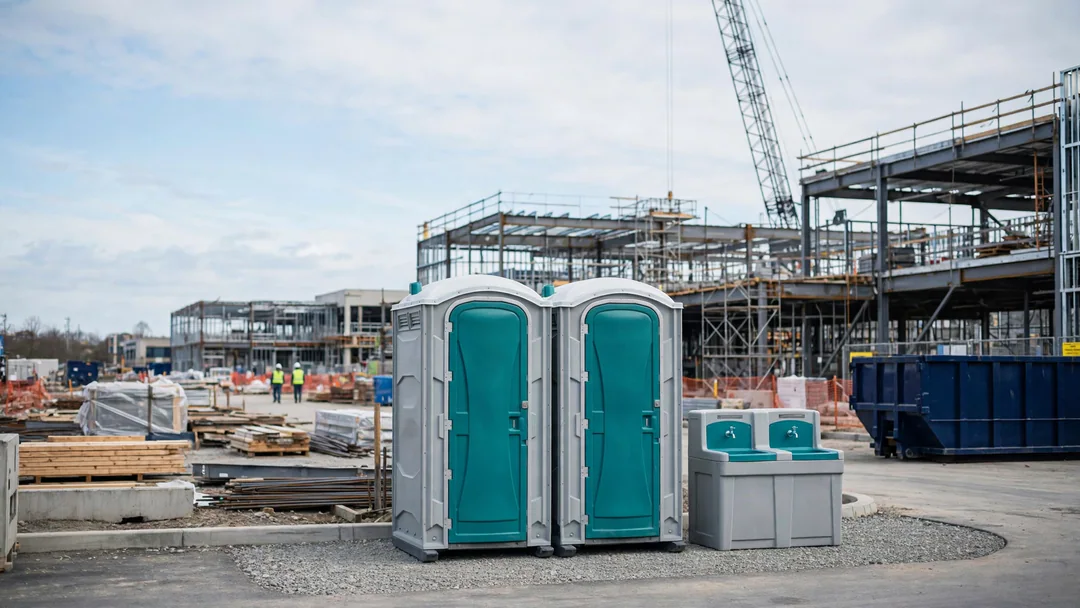
Construction sites follow federal OSHA 29 CFR 1926.51 toilet ratios based on crew size; see our OSHA jobsite toilet guide. High-rise and multi-month projects typically use long-term rentals with a fixed service day.
Summer heat and big crowds increase use, so public events often need more units and more frequent servicing than expected. Include ADA-accessible units on firm, level routes, which reviewers for public events commonly expect.
Climate and seasonal considerations
DC has hot, humid summers and cool winters, with occasional snow and ice storms that can snarl traffic. Summer thunderstorms often arrive fast in the afternoon, and heavy downpours can cause flash flooding in low spots and along some streams and underpasses.
Heat matters for sanitation. Summer events on open lawns and paved plazas see high use, so portable toilets usually need more frequent service and hand-washing stations empty quickly. In winter, a cold snap can freeze holding tanks, and providers may add antifreeze; see our winter portable toilet guide.
Snow emergencies can also restrict parking on major routes, which may affect a container in the street. Tarp open loads before storms and confirm your weight allowance, since soaked plaster and drywall are heavy.
Construction activity and common projects
Construction in the District is dominated by infill and renovation. Rowhouse gut rehabs, basement conversions into rental units, rear additions and roof-deck builds keep small and mid-size containers in demand across neighborhoods such as Petworth, Shaw and Capitol Hill.
Larger projects include mixed-use towers and apartment buildings in redeveloping areas such as Navy Yard, NoMa and the Southwest Waterfront, along with office conversions downtown, embassy work, and renovations for universities, hospitals and federal agencies.
Many neighborhoods are historic districts, where exterior changes are typically reviewed by the city's historic preservation office before work starts. Tight sites also mean deliveries must be timed around traffic and parking rules. Crews usually pair construction dumpsters with jobsite portable toilets placed wherever space allows.
- Rowhouse gut renovations and rear additions
- Basement conversions and English basement units
- Mixed-use and apartment construction in redeveloping neighborhoods
- Office-to-residential conversions downtown
- Historic district exterior repairs and roof work
- Condo and apartment cleanouts and moves
- Large public events and races
Disposal rules and restricted materials
The District's Department of Energy and Environment (DOEE) oversees environmental programs, and the Department of Public Works (DPW) runs city trash and recycling collection and the city's transfer stations. Because DC has no landfills of its own, most debris from District projects is hauled out to facilities in Maryland or Virginia.
That means the receiving facility's rules decide what can go in a container. Items commonly restricted include tires, lead-acid batteries, used oil, appliances containing refrigerant, electronics and household hazardous waste such as paint thinners and solvents. Lead paint debris from older homes may need special handling, so mention it when you call.
Review what you cannot put in a dumpster and our construction debris recycling guide to separate brick, metal and clean wood where possible.
Permits in Washington, DC
In DC, permits are the main planning step. A container or portable toilet placed in the street, a parking lane, a sidewalk or a public alley typically requires a public space permit from the District Department of Transportation (DDOT). Because so many rowhouses lack driveways, many residential rentals in the District end up needing one.
Permits may come with conditions such as the size of the space, how long the container may stay, reflectors or barriers, and parking restrictions on the block. Shared rear alleys are common, and they often must stay passable for trash trucks, neighbors and emergency vehicles, so a container cannot simply block one.
Containers fully on private property usually avoid the public space process, but condo boards and some neighborhood rules may still apply. Rules change, so confirm current requirements with DDOT before delivery. Our dumpster permit guide and portable toilet permit guide list what to ask.
Event sanitation planning
DC hosts a heavy schedule of outdoor events. The National Cherry Blossom Festival in spring and Independence Day celebrations on the National Mall are the best known, and the city also sees marathons and other races, parades, protests and marches, and festivals in neighborhoods and at the waterfront.
Who issues the event approval depends on the location. Events on the National Mall and many federal parks typically go through the National Park Service, while streets and District parks typically involve DC agencies. Either way, sanitation is usually part of the plan reviewers expect to see.
Weddings and private events at rooftops, embassies, historic houses and backyards often prefer restroom trailers when space allows. Size the order with our quantity guide, add hand-washing stations, and use our event sanitation checklist.
Cities in Washington, DC
- Capitol Hill
- Georgetown
- Dupont Circle
- Adams Morgan
- Columbia Heights
- Navy Yard
- Brookland
- Anacostia
Major metro areas: Washington–Arlington–Alexandria
Services in Washington, DC
Washington, DC rental FAQs
Do I need a permit for a dumpster in Washington, DC?
If the container will sit in the street, a parking lane, a sidewalk or a public alley, you typically need a public space permit from DDOT. A container fully on private property usually does not. Confirm current rules with DDOT before delivery.
Can I put a dumpster in my rear alley in DC?
Sometimes, but public alleys usually require a DDOT permit and must often stay passable for trash trucks and neighbors. Narrow alleys may not fit a container at all. Your provider can tell you what size might work.
What size dumpster works best for a DC rowhouse?
Many rowhouse jobs use a 10- or 15-yard container because it fits one parking space or alley pad. Plaster and brick are heavy, so a smaller box swapped more often is common.
Where does debris from DC projects go?
The District has no landfills of its own, so haulers typically take debris to transfer stations or facilities in the region, including Maryland and Virginia. Each facility sets its own accepted-materials rules.
Who approves porta potties for an event on the National Mall?
Events on the National Mall and many federal parks are typically permitted through the National Park Service, while events on District streets and parks go through DC agencies. Check with the agency that manages your site.
Does Haul & Hygiene have an office in DC?
No. We are a nationwide coordination network that matches you with independent providers serving the District. They handle delivery, service and pickup.
Sources and official resources
Neighboring states
Ready to book a dumpster?
Planning a project in Washington, DC? Share your ZIP code and dates to check provider availability.