
Heavy Debris
Concrete Dumpster Rental
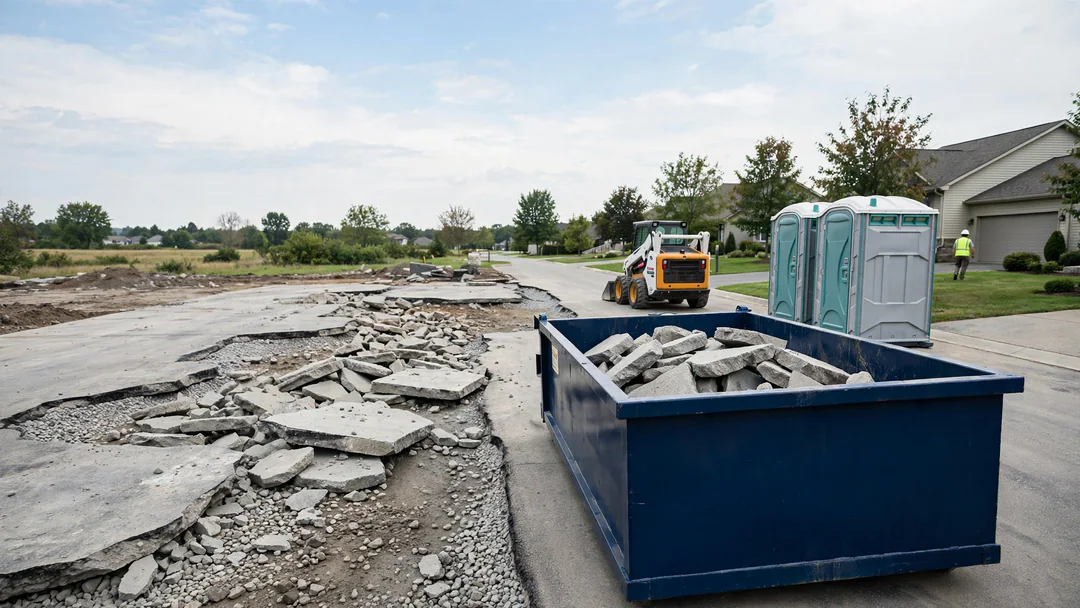
Concrete, brick, asphalt, and dirt are some of the heaviest materials you can put in a roll-off. Special rules keep these loads safe and legal to haul.
One quick call to a real person. You approve the price before anything ships.
- All 50 states + DC
- Price confirmed before delivery
- Pricing explained up front
- 10–40 ydRoll-off sizes
- 50 + DCStates served
- 7–14 daysTypical rental period
- Same-dayDelivery when available
What size dumpster do I need for concrete?
Most haulers require concrete and other heavy debris to go in a small container, typically around 10 yards, and many set a fill line well below the top of the walls. Loads usually need to be clean, meaning only concrete or only dirt, without trash mixed in. Exact size limits and fill rules vary by provider and disposal facility.
Concrete Dumpsters: dumpster sizes at a glance
| Size | Typical dimensions | Holds about |
|---|---|---|
| 10-yard | ~12 ft L × 8 ft W × 3.5 ft H | 3–4 pickup-truck loads |
| 40-yard | ~22 ft L × 8 ft W × 8 ft H | 12–16 pickup-truck loads |
- Weight: heavy debris like concrete, dirt or shingles reaches the weight allowance before the container is full, so it usually goes in a smaller container. See dumpster weight limits.
- Permits: a dumpster on your own driveway usually needs no permit; one on a street or sidewalk often does. See dumpster permits.
What counts as heavy debris
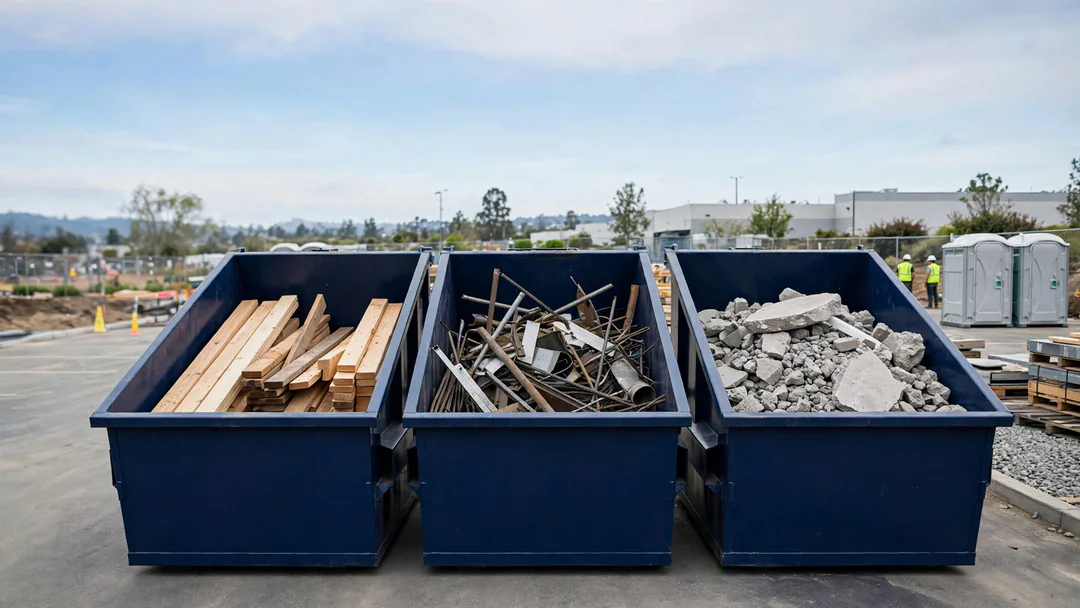
Heavy debris is any material dense enough that a container reaches weight limits long before it is full by volume. Common examples include:
- Concrete slabs, footings, sidewalks, and patios
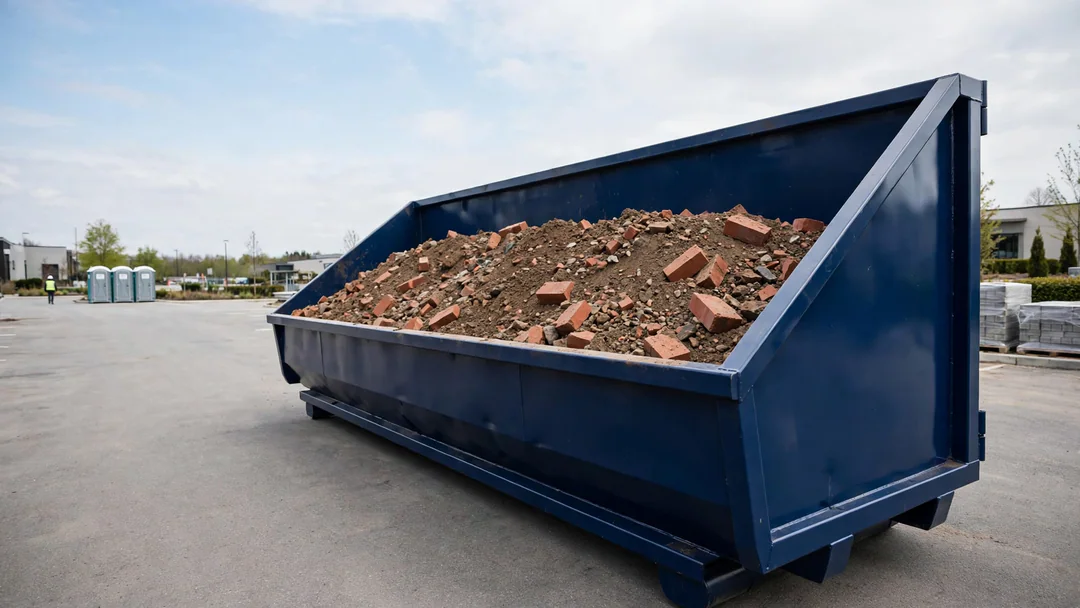
- Brick, block, and masonry
- Asphalt from driveways or parking areas
- Dirt, soil, sand, and gravel
- Natural stone, pavers, and rock
- Ceramic tile and mortar beds in large quantities
Why haulers use small containers for heavy loads
Roll-off trucks and roads have weight limits. A 30 or 40 yard box filled with concrete could weigh far more than a truck can legally carry, and it could damage the container or the surface beneath it. Small containers keep the total weight in a manageable range. Providers in many markets offer 10-yard boxes, and some have dedicated heavy-duty containers with reinforced floors. When you request a quote, say clearly that you are discarding heavy material so the provider sends the right equipment.
Clean loads: keep heavy debris separate
Many disposal facilities and recyclers accept clean concrete or clean dirt differently from mixed waste. Clean concrete can often be crushed and reused as aggregate, and clean fill may go to a separate site. That only works if the load contains a single material.
- Clean concrete: concrete, brick, or block without trash, wood, or dirt. Rebar and mesh may be allowed; ask your provider.
- Clean dirt: soil without rocks, roots, construction debris, or trash.
- Mixed heavy debris: combinations may be accepted but are often treated as standard construction waste.
- Contaminated loads may be rerouted or charged differently. Confirm the rules before you load.
Fill lines and how to load heavy material
Providers often mark a fill line or tell you to load heavy debris only part of the way up the walls. That line protects you from overweight charges and lets the truck lift the box safely. Load evenly across the floor rather than piling everything at one end, which can make the container unstable when lifted. Break slabs into manageable pieces, and keep water out, since wet soil weighs more. If you are unsure how much material you have, measure the area and thickness of the slab or excavation and share it with the hauler.
Protecting your driveway and site
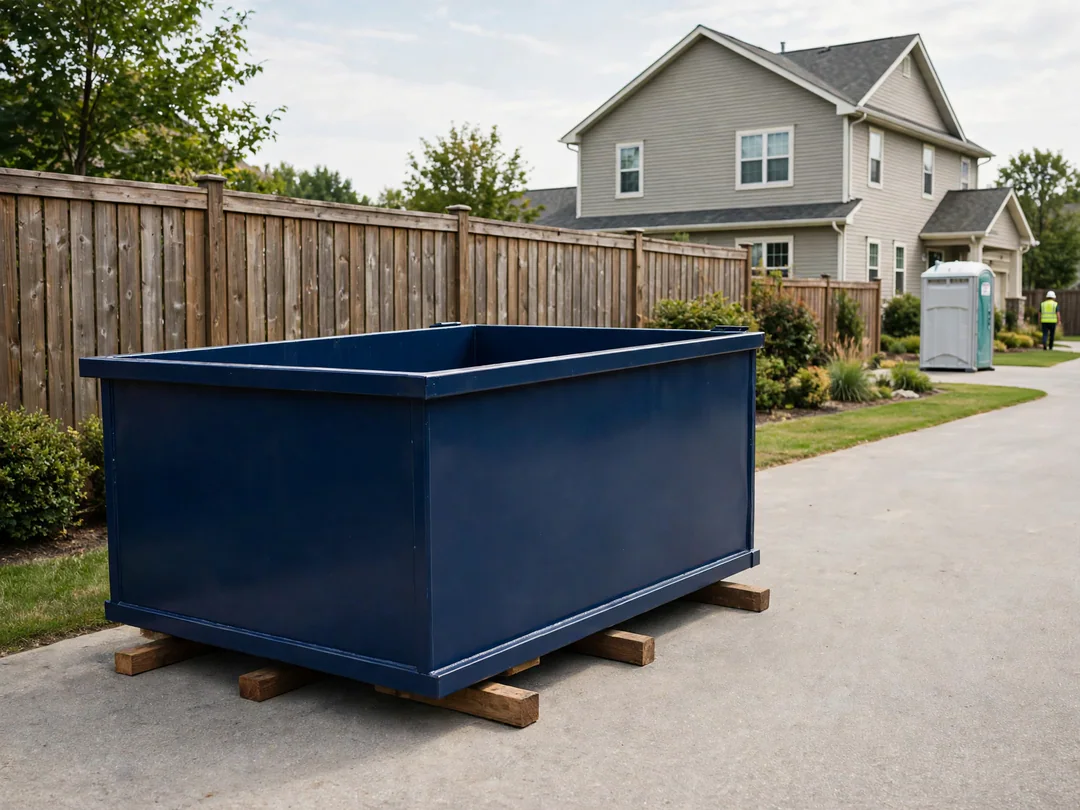
A loaded heavy-debris container concentrates a lot of weight on a small area. Ask the provider to place boards under the rails, and avoid placing the box over septic tanks, utility lines, or thin pavers. If you are tearing out the driveway itself, plan placement so the container is not sitting on the section you need to remove. See our driveway prep guide.
Projects that generate heavy debris
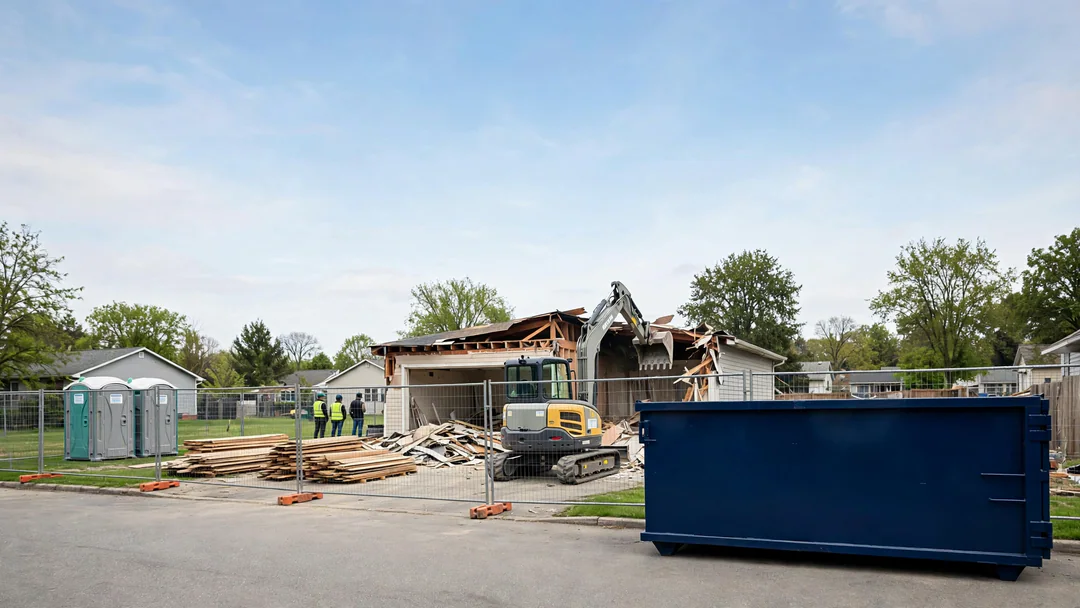
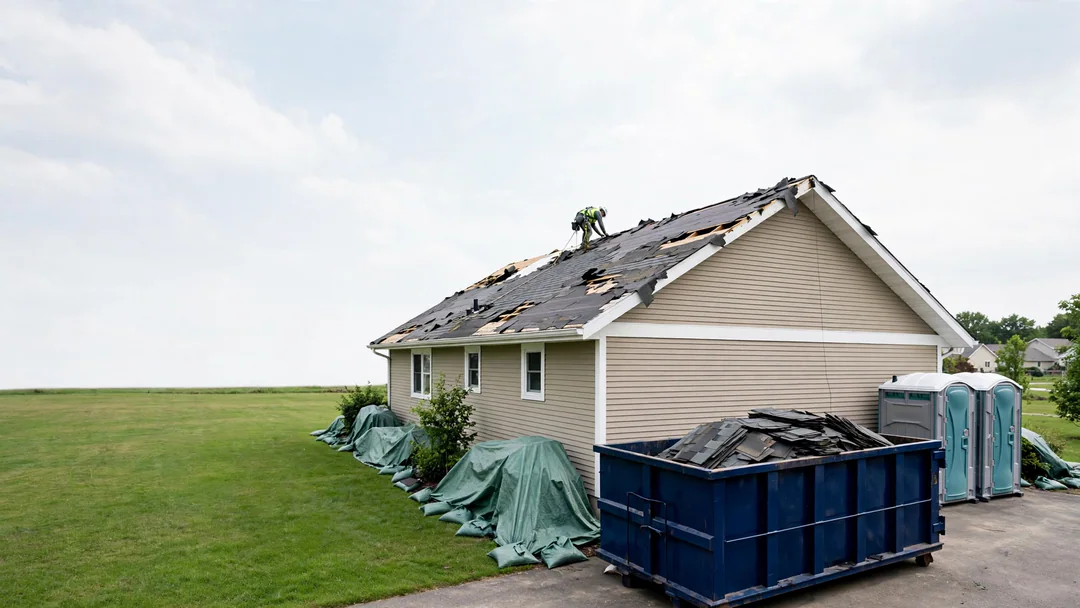
Driveway and patio replacement, foundation work, landscaping regrades, pool removal, and masonry demolition all produce heavy debris. Roofing shingles are also dense and follow similar size rules; see roofing dumpster rental. For larger tear-downs that mix heavy and light materials, demolition dumpsters covers planning multiple containers.
Concrete Dumpsters FAQs
Can I mix concrete with other trash?
Small amounts mixed into construction debris may be accepted, but large quantities usually need a separate, clean load. Check with your provider before mixing.
Is rebar allowed in a concrete dumpster?
Many facilities accept concrete with embedded rebar or wire mesh, but some do not. Ask your provider what is allowed in your area.
How much concrete fits in a 10-yard dumpster?
It depends on thickness and how the pieces stack, and the hauler's weight limit usually controls before volume does. Share the slab's size and thickness for an estimate.
Can I put dirt and rocks together?
Some providers accept soil with some rock; others require clean dirt only. Rules depend on the facility the hauler uses.
Why was my heavy load charged extra?
Heavy loads that exceed the included weight allowance, go above the fill line, or contain mixed materials can trigger extra charges. Ask your provider for the rules in writing.
Related pages
Ready to book a dumpster?
Share your ZIP code and project details. We will route it to an available provider near you.