Dumpster Use Cases
Dumpster Rental for Industrial Projects
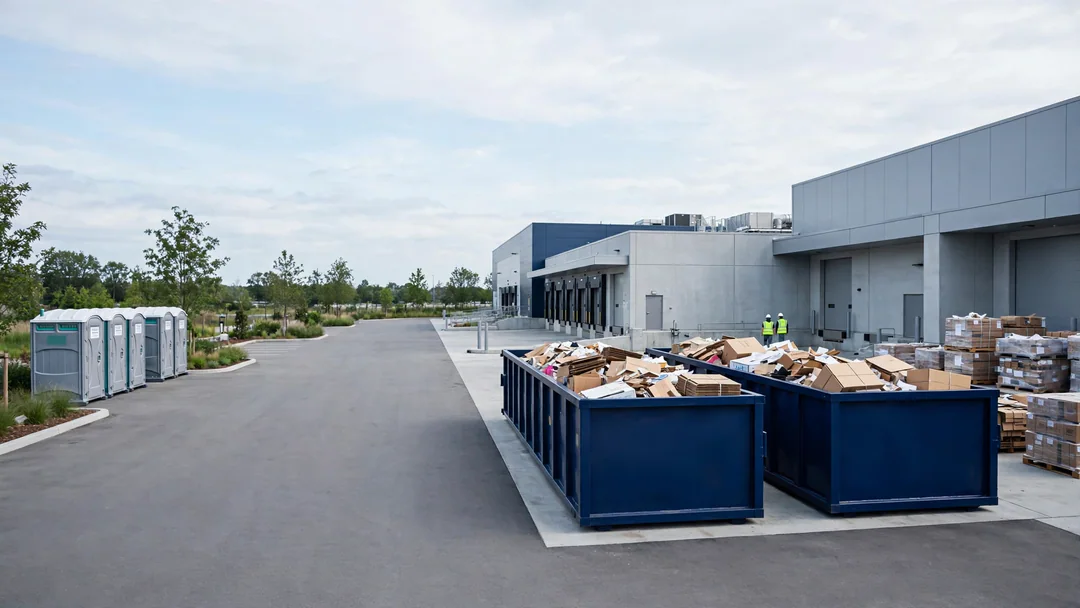
Industrial jobs bring heavier materials, stricter site rules, and questions about what a landfill will accept. Plan those details before the container arrives.
One quick call to a real person. You approve the price before anything ships.
- All 50 states + DC
- Price confirmed before delivery
- Pricing explained up front
- 10–40 ydRoll-off sizes
- 50 + DCStates served
- 7–14 daysTypical rental period
- Same-dayDelivery when available
Can a roll-off dumpster be used for industrial waste?
Roll-offs are commonly used for non-hazardous industrial waste such as scrap, pallets, packaging, insulation, and debris from equipment removal or plant upgrades. Some materials need a waste profile or special-waste approval from the disposal facility before they are accepted, and hazardous waste requires a licensed handler. Confirm the material and paperwork with your provider before loading.
Industrial Projects: dumpster sizes at a glance
| Size | Typical dimensions | Holds about |
|---|---|---|
| 10-yard | ~12 ft L × 8 ft W × 3.5 ft H | 3–4 pickup-truck loads |
| 30-yard | ~22 ft L × 8 ft W × 6 ft H | 9–12 pickup-truck loads |
| 40-yard | ~22 ft L × 8 ft W × 8 ft H | 12–16 pickup-truck loads |
- Weight: heavy debris like concrete, dirt or shingles reaches the weight allowance before the container is full, so it usually goes in a smaller container. See dumpster weight limits.
- Permits: a dumpster on your own driveway usually needs no permit; one on a street or sidewalk often does. See dumpster permits.
Typical industrial uses
These projects are often time-sensitive and happen on active sites, which shapes container size, placement, and swap timing.
- Plant shutdowns and turnarounds
- Equipment removal and line changeovers
- Warehouse cleanouts and racking removal
- Facility renovations and roof replacements
- Packaging, pallets, and dunnage overflow
- Clean scrap metal, often handled separately for recycling
Hazardous vs. non-hazardous waste
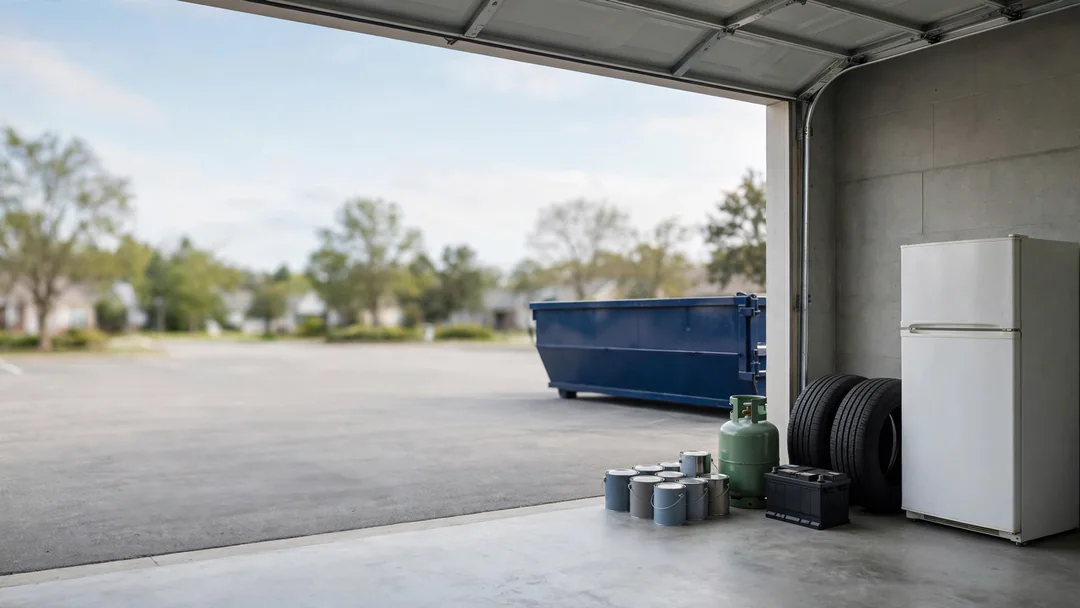
Standard roll-offs are for non-hazardous solid waste. Under federal rules, waste that is listed or shows hazardous characteristics, such as ignitability, corrosivity, reactivity, or toxicity, must be managed by properly permitted handlers, not a general roll-off. Universal wastes like certain batteries, lamps, and mercury-containing equipment have their own EPA rules. Your environmental, health, and safety team should determine how each waste stream is classified. When in doubt, keep it out of the container until it is confirmed.
Waste profiles and special waste
Some non-hazardous materials still need approval from the landfill or transfer station before disposal. This is often called a waste profile or special-waste approval. Requirements vary by facility and state.
- Identify the material
Describe the process that created it and its physical form, such as solid, sludge, dust, or contaminated debris.
- Gather data
The facility may ask for safety data sheets, lab analysis, or a generator statement.
- Submit the profile
Your provider or the facility reviews it and decides whether the material is acceptable.
- Load only after approval
Keep profiled materials separate and labeled as the facility requires.
Weight and container choice
Industrial loads are often dense: metal, concrete, wet materials, or compacted debris. Weight allowances vary by provider and by local road limits, so smaller containers are common for heavy material. Bulky, light waste like packaging fits larger containers. Read dumpster weight limits before you choose.
| Material type | Often considered |
|---|---|
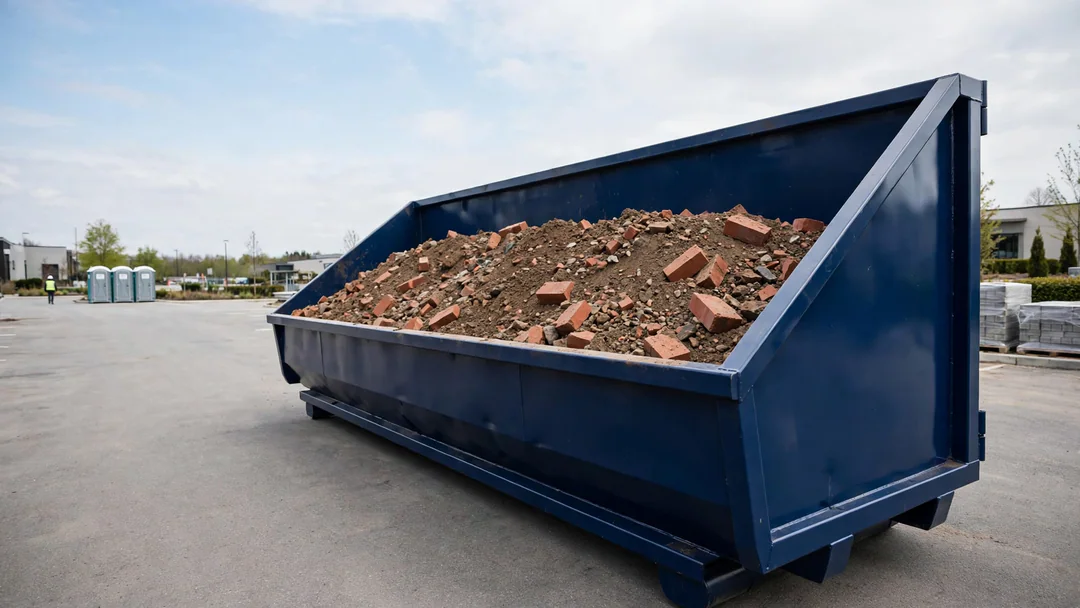
| Concrete, masonry, heavy scrap | 10-yard or heavy-debris container |
| Mixed demolition debris | 20- to 30-yard |
| Pallets, packaging, insulation | 30- to 40-yard |
| Clean metal for recycling | Separate container where offered |
Site safety and access
Industrial sites usually have safety orientation, gate check-in, and restricted delivery hours. Share these with your provider up front. Choose a level, firm spot with overhead clearance for the truck and keep the container clear of forklift traffic lanes and emergency exits. If loading is done by forklift or loader, discuss load height and distribution so the container can be legally hauled.
Documentation for your records
Many facilities keep disposal records for internal audits or environmental reporting. Ask your provider what they can supply, such as weight tickets or disposal facility names, and file them with the project. Insurance requirements for contractors on site should be shared when you request a quote.
Planning a shutdown or turnaround
Shutdowns compress a lot of work into a short window, so containers need to be in place before crews start. Share the shutdown dates, expected waste streams, and any profiled materials with your provider well in advance. Ask whether swaps can happen during your work hours and whether the hauler can stage an empty container nearby to reduce downtime. After the shutdown, review what was generated so the next one can be planned more accurately.
Industrial Projects FAQs
Can I put drums in the dumpster?
Generally not unless they are confirmed empty under applicable rules and the provider accepts them. Many providers refuse drums entirely. Ask first.
Who decides if a waste is hazardous?
The generator, meaning your facility, is responsible for classifying its waste. Your EHS team or an environmental consultant typically makes that call.
Does the provider handle the waste profile?
Some providers help submit profiles to the disposal facility; others expect the generator to handle it. Ask during the quote.
Is this the same as a commercial dumpster?
No. Ongoing trash service for businesses is covered on the commercial dumpsters page. This page covers project roll-offs at industrial sites.
Related pages
Ready to book a dumpster?
Share your ZIP code and project details. We will route it to an available provider near you.