
Container Sizes
Large Dumpster Rental
When debris volume is measured in rooms or floors, a 30 or 40 yard roll-off keeps the project moving with fewer hauls.
One quick call to a real person. You approve the price before anything ships.
- All 50 states + DC
- Price confirmed before delivery
- Pricing explained up front
- 10–40 ydRoll-off sizes
- 50 + DCStates served
- 7–14 daysTypical rental period
- Same-dayDelivery when available
What is the biggest dumpster I can rent?
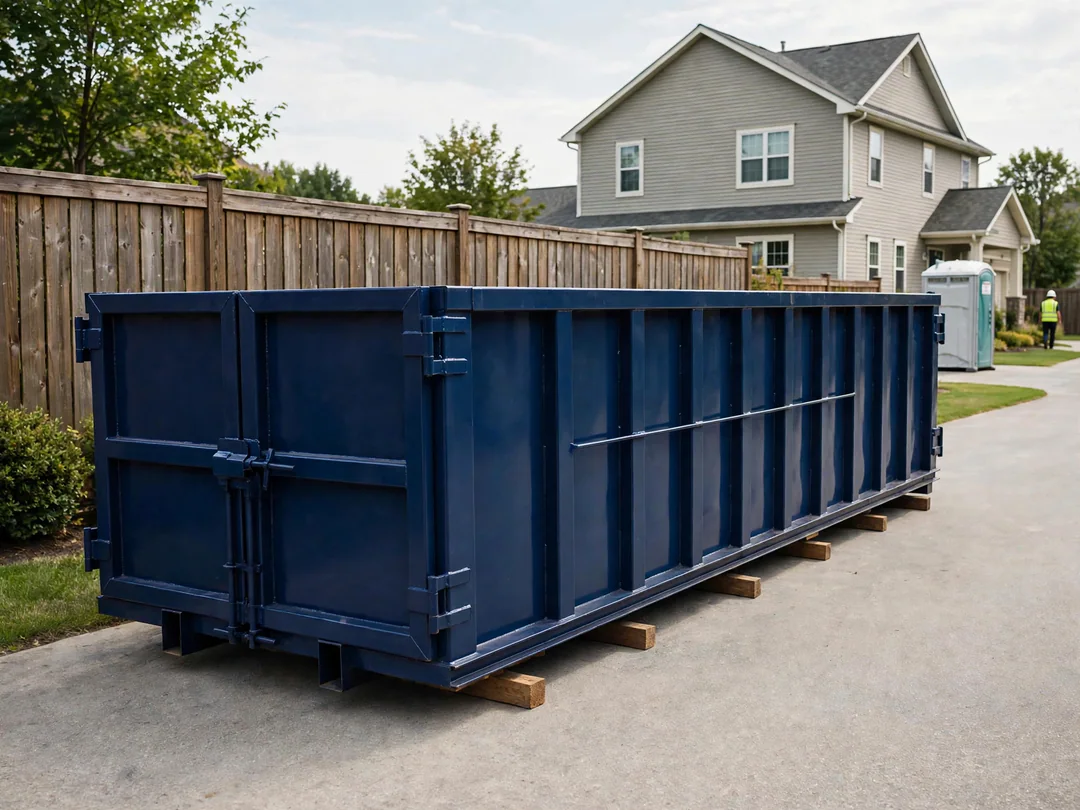
The largest common roll-off size is 40 cubic yards, holding roughly 12 to 16 pickup-truck loads of loose debris. A 30-yard is the next step down. Both typically share a footprint around 20 to 22 feet long and differ mainly in wall height. Large boxes suit bulky, lighter debris; dimensions and availability vary by hauler.
Large Dumpsters: dumpster sizes at a glance
| Size | Typical dimensions | Holds about |
|---|---|---|
| 30-yard | ~22 ft L × 8 ft W × 6 ft H | 9–12 pickup-truck loads |
| 40-yard | ~22 ft L × 8 ft W × 8 ft H | 12–16 pickup-truck loads |
- Weight: heavy debris like concrete, dirt or shingles reaches the weight allowance before the container is full, so it usually goes in a smaller container. See dumpster weight limits.
- Permits: a dumpster on your own driveway usually needs no permit; one on a street or sidewalk often does. See dumpster permits.
Projects that need a large container
Large roll-offs earn their keep on projects where a smaller box would need repeated swaps.
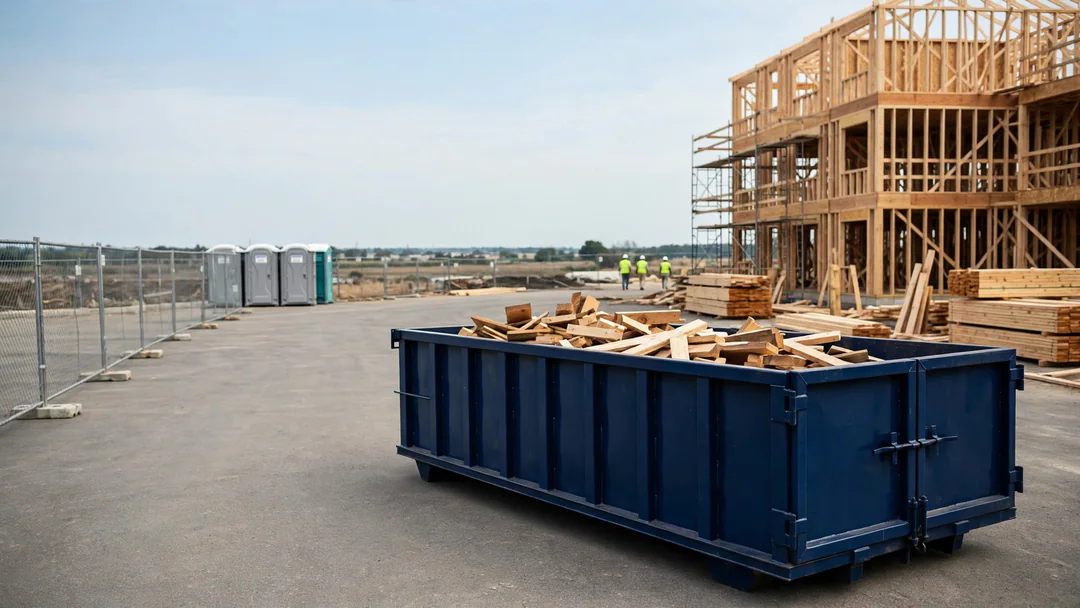
- New construction framing, sheathing, and packaging waste
- Additions and multi-room or whole-floor renovations
- Commercial cleanouts with furniture, shelving, and fixtures
- Warehouse or retail inventory purges
- Light demolition of interiors, decks, or outbuildings
- Large estate or hoarding cleanouts with bulky household goods
30-yard vs. 40-yard compared
Because the two sizes usually share a footprint, the choice comes down to how much volume you expect and how high you can comfortably load. A 40-yard has walls around seven to eight feet tall, which often means loading through the rear door or with equipment. A 30-yard is easier to load by hand over the side and still holds a substantial amount.
| Size | Typical dimensions | Approx. pickup loads | Loading notes |
|---|---|---|---|
| 30-yard | About 20–22 ft × 7–8 ft × 5.5–6 ft | About 9–12 | Walls reachable for most adults with effort; door helps |
| 40-yard | About 20–22 ft × 7–8 ft × 7–8 ft | About 12–16 | Door or equipment loading typical; best for light, bulky debris |
Weight matters more as the box gets bigger
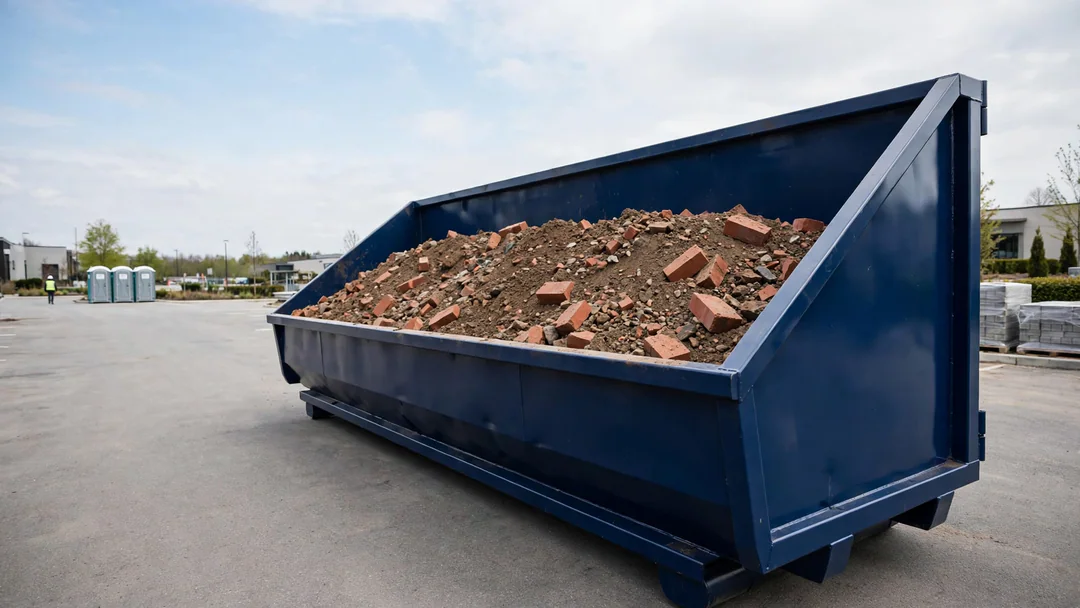
A large container can hold more debris than a truck may safely or legally carry if that debris is heavy. That is why haulers rarely allow concrete, dirt, or brick in 30 or 40 yard boxes, or they limit how full you can load them. Mixed construction debris, plaster, and wet materials can also push a big box past its included weight allowance. Tell your provider what you are discarding so they can recommend the right size and terms. Read more in dumpster weight limits.
Space and access for a large roll-off
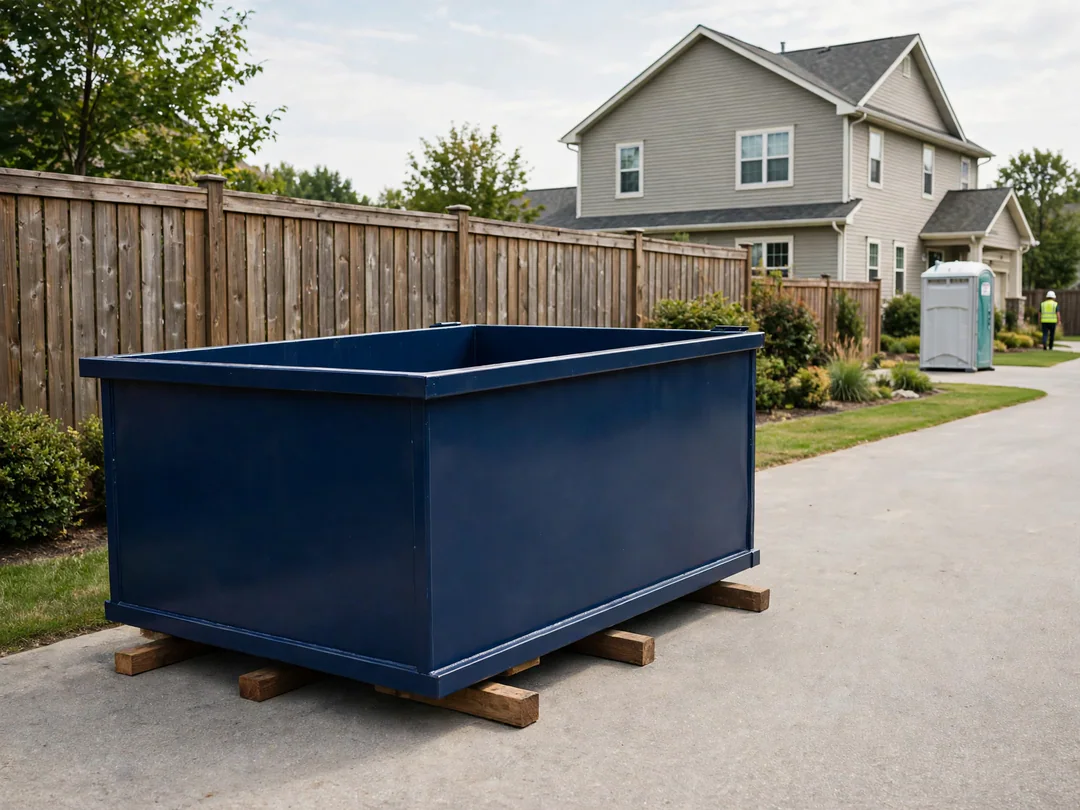
A large container needs a long, firm, level area, plus room for the truck to line up behind it. Plan for clear straight-line access and high overhead clearance because the truck bed tilts steeply. Residential driveways can sometimes accommodate a 30-yard, while 40-yard boxes are more common on construction lots and commercial properties. If the only option is street placement, check permit requirements in our permit guide.
Loading a tall container
Loading over high walls is tiring and can be unsafe. Use the rear door to walk in heavy or awkward items, and load from the front of the box toward the door so you can close it at the end. Place large flat pieces first, break down bulky items, and keep material below the top of the walls. Never climb on unstable piles inside the container. On commercial sites, equipment such as skid steers or excavators often handles loading.
One large box or several smaller ones?
A single large container means one delivery and one haul, but it ties up more space. Several smaller boxes over time can fit tight sites and let you separate heavy debris from light. On longer construction jobs, a swap schedule with a 30 or 40 yard box is common. Discuss your timeline and debris mix with the local hauler, and see construction dumpsters or commercial dumpsters for project-specific guidance.
Large Dumpsters FAQs
Will a 40-yard dumpster fit in my driveway?
Sometimes, but its length and the truck's approach often exceed typical residential driveways. Measure carefully and share the space with your provider.
Can I put shingles in a 40-yard?
Many haulers discourage it because a full load of shingles is very heavy. Roofing usually goes in smaller boxes. See roofing dumpster rental.
Is a 30-yard enough for a whole-house cleanout?
For many homes, yes, especially with furniture. Very full homes or hoarding situations may need more. Your provider can help estimate.
Do large dumpsters have doors?
Most 30 and 40 yard containers have a rear swing door, but designs vary. Confirm with your provider.
How do I keep a large dumpster from being overfilled?
Keep debris level with the top of the walls, schedule a swap before it is full, and use a tarp to discourage others from adding trash.
Related pages
Ready to book a dumpster?
Share your ZIP code and project details. We will route it to an available provider near you.