
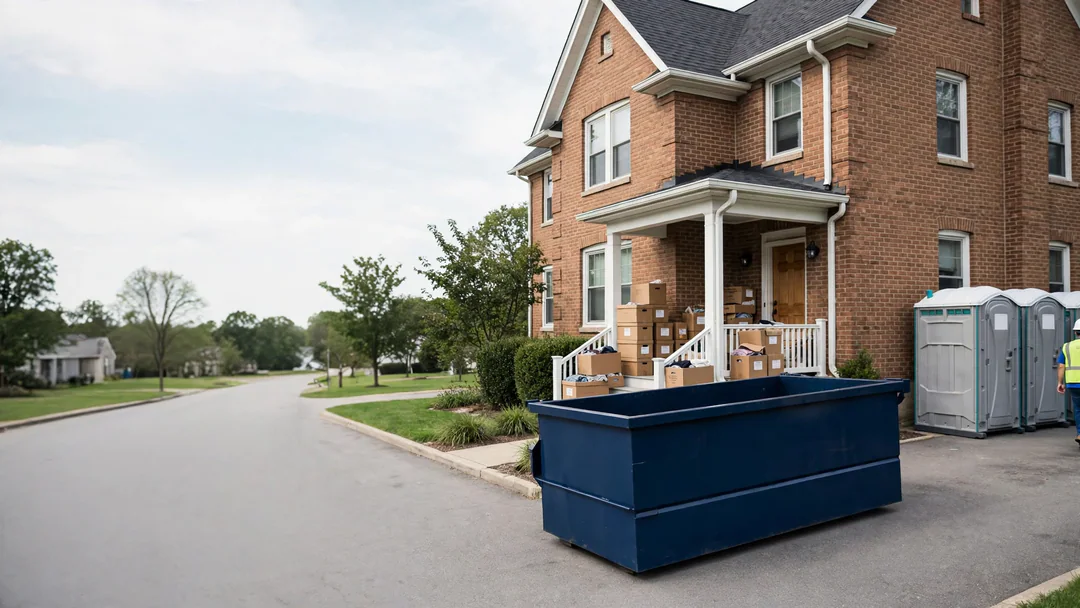
Dumpster Use Cases
Dumpster Rental for Estate Cleanouts
Clearing a loved one's home is practical work done at an emotional time. A clear plan protects what matters and keeps the family on the same page.
One quick call to a real person. You approve the price before anything ships.
- All 50 states + DC
- Price confirmed before delivery
- Pricing explained up front
- 10–40 ydRoll-off sizes
- 50 + DCStates served
- 7–14 daysTypical rental period
- Same-dayDelivery when available
When should an estate cleanout dumpster be scheduled?
Schedule the container after the family has removed keepsakes, the executor has secured important documents and valuables, and donation or sale decisions are made. Bringing the dumpster in too early can lead to items being thrown away by mistake. Confirm the executor has authority to dispose of property, and check sizes and terms with your local provider.
Confirm authority and timing first
Before anything leaves the home, make sure the person directing the cleanout has the authority to do so. In many cases that is the executor or personal representative named in the will or appointed by the court. Probate rules vary by state, and some assets may need to be inventoried or appraised before they can be sold, given away, or discarded. If you are unsure, ask the estate attorney before you book a container.
Timing also matters if the house is being sold, if a lease is ending, or if utilities will be shut off. Work backward from those dates so the cleanout does not feel rushed.
Protect documents and valuables
Important papers often turn up in unexpected places: books, coat pockets, freezer bags, and shoeboxes in closets. Do a careful search before bulk disposal begins.
- Wills, trusts, deeds, titles, and insurance policies
- Bank, brokerage, and retirement statements
- Tax returns and records the executor may need for final filings
- Jewelry, cash, coins, firearms, and collectibles
- Photos, letters, and family records
- Keys, passwords, and account information
Sort donations, sales, and disposal
A room-by-room approach with color-coded tags or sticky notes helps families and helpers know what stays and what goes.
| Category | Typical items | Next step |
|---|---|---|
| Family keepsakes | Heirlooms, photos, personal items | Set aside in a locked room until distributed |
| Sale | Furniture, antiques, tools, vehicles | Estate sale company, appraiser, or listing |
| Donation | Clothing, household goods, linens | Charity pickup or drop-off; ask about receipts for the estate |
| Shred | Old statements and personal papers | Secure shredding after the executor approves |
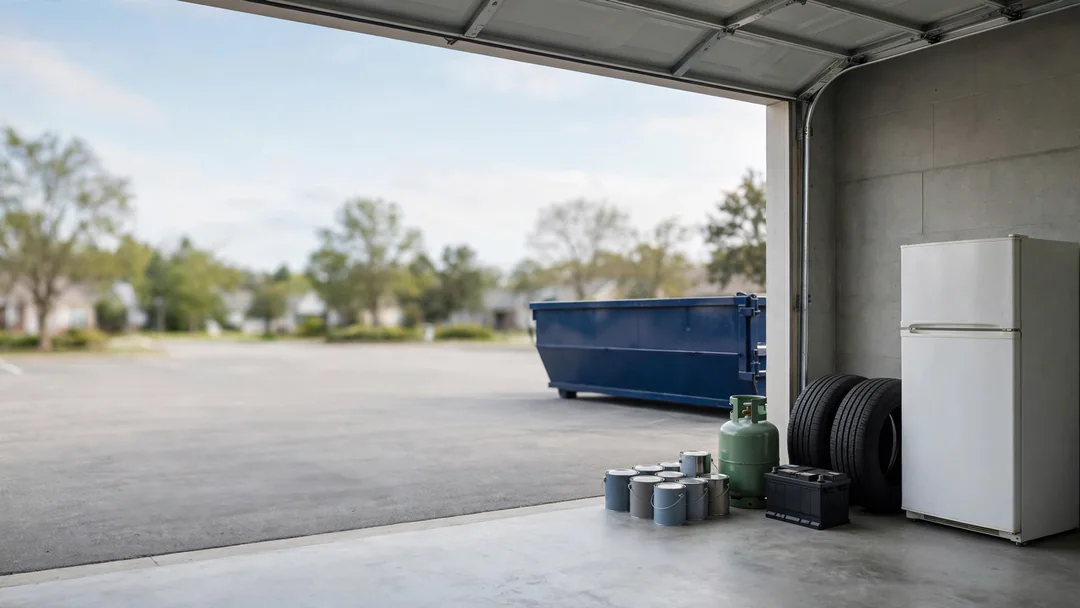
| Special disposal | Medications, chemicals, paint, batteries | Take-back programs and household hazardous waste sites |
| Dumpster | Damaged furniture, worn carpet, general debris | Roll-off container |
Coordinating family members
Disagreements often start with a misunderstanding about what was thrown away. A few simple habits can prevent that.
- Agree on a schedule
Pick walkthrough dates when family members can claim items, and share them in writing.
- Keep a simple log
Note what went to whom, what was sold, and what was donated. Photos help.
- Set a claim deadline
After the deadline, unclaimed items move to sale, donation, or disposal.
- Then bring in the container
Load only after the earlier steps are done, so nothing important is lost.
Sizing and loading for a full house
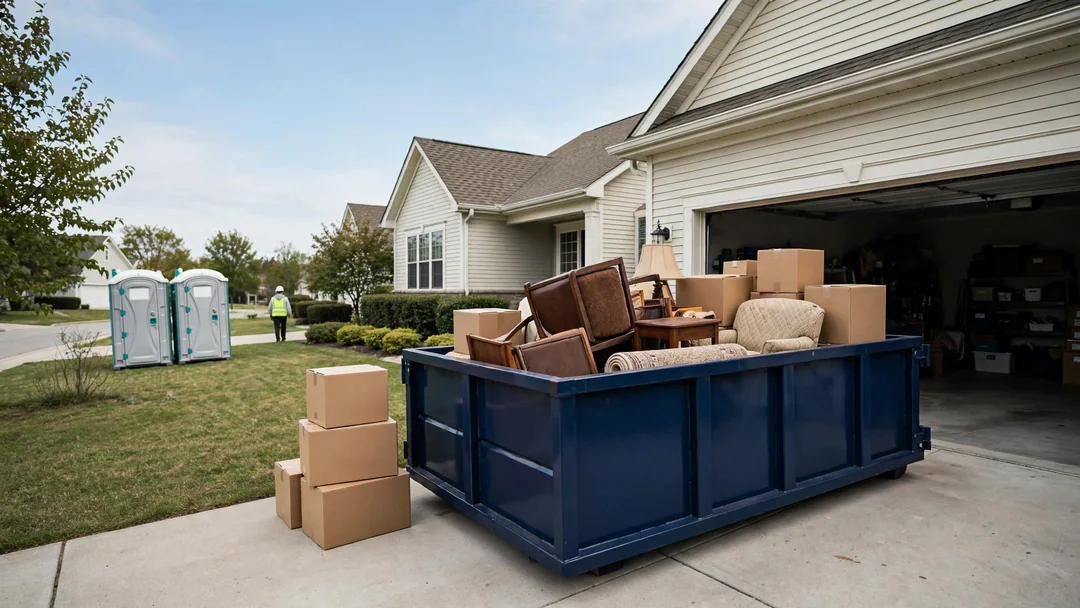
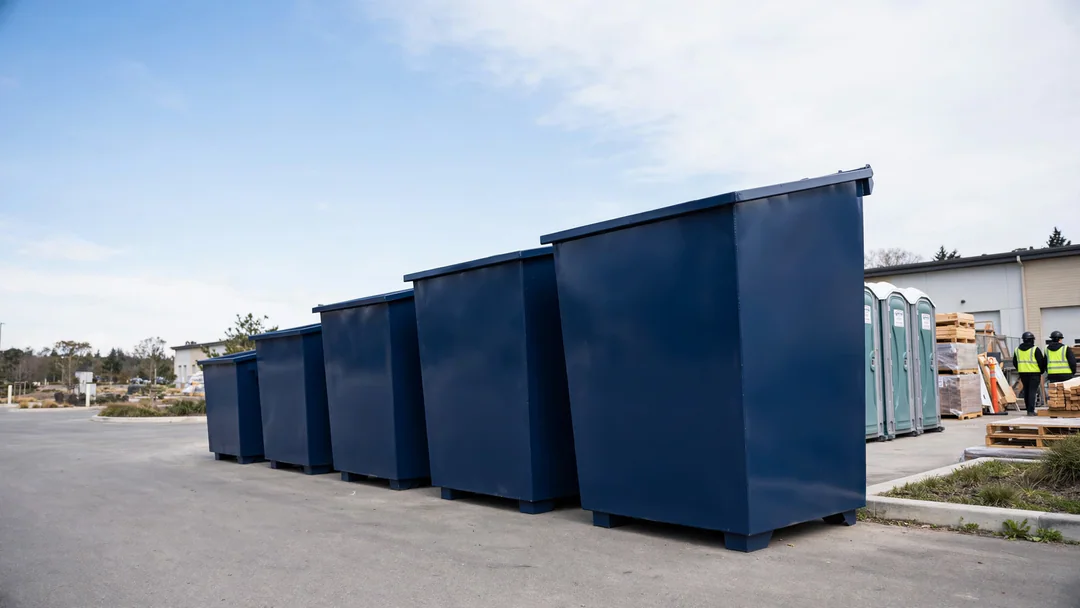
A full house with years of belongings often fills a 20- or 30-yard container, while a condo or apartment may need less. Garages, basements, and attics add volume quickly. If the home has been lived in for decades, consider whether a second container or a swap is easier than one oversized box. Compare sizes on the dumpster sizes page and ask your provider for a recommendation.
Working with out-of-town executors
Many executors live far from the property. If you cannot be on site, arrange for a trusted family member, real estate agent, or estate sale company to meet the provider, confirm placement, and lock up afterward. Make sure your provider knows who the on-site contact is and how to reach you for questions about pickup.
Frequently asked questions
Can I throw away items before probate is complete?
It depends on the state, the estate, and the court. Some property must be inventoried first. Ask the estate attorney before disposing of anything of value.
What should I do with old medications?
Do not put them in the dumpster. Look for pharmacy take-back kiosks or community take-back events in your area.
Is this the same as a home cleanout dumpster?
The container can be the same. This page focuses on estate planning steps. For general cleanout details, see the home cleanout dumpster page.
Can the estate pay for the dumpster?
Often the cost of clearing the property is handled as an estate expense, but rules vary. Keep receipts and ask the estate attorney or accountant.
Should we hire an estate sale company first?
If the home has valuable furniture, antiques, or collectibles, many families hold a sale first and use the dumpster for what remains.
Related pages
Ready to book a dumpster?
Share your ZIP code and project details. We will route it to an available provider near you.