
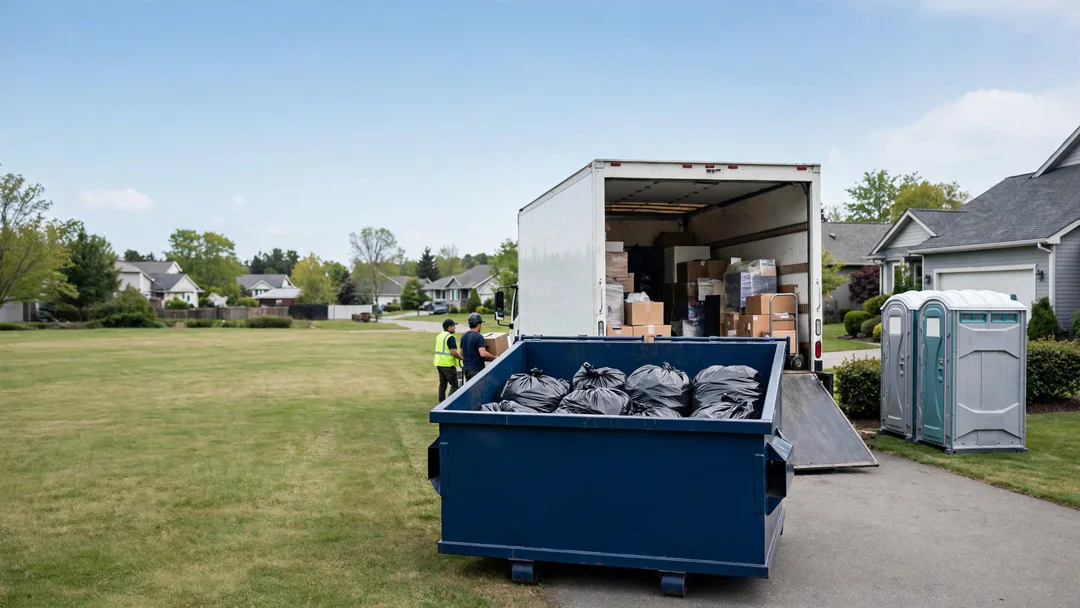
Dumpster Use Cases
Dumpster Rental for Moving and Downsizing
Getting rid of what you will not take is one of the easiest ways to make a move cheaper and less stressful.
One quick call to a real person. You approve the price before anything ships.
- All 50 states + DC
- Price confirmed before delivery
- Pricing explained up front
- 10–40 ydRoll-off sizes
- 50 + DCStates served
- 7–14 daysTypical rental period
- Same-dayDelivery when available
When should I rent a dumpster for a move?
Book the container for one to two weeks before your packing deadline so you can sort and toss as you go, then schedule pickup a few days before closing or move-out. That leaves time to load bulky furniture, return the driveway to clean condition, and avoid conflicts with movers. Rental periods and terms vary by provider and location.
Moving: dumpster sizes at a glance
| Size | Typical dimensions | Holds about |
|---|---|---|
| 10-yard | ~12 ft L × 8 ft W × 3.5 ft H | 3–4 pickup-truck loads |
| 20-yard | ~22 ft L × 8 ft W × 4.5 ft H | 6–8 pickup-truck loads |
- Weight: every quote includes a weight allowance; going over it adds a per-ton charge. See dumpster weight limits.
- Permits: a dumpster on your own driveway usually needs no permit; one on a street or sidewalk often does. See dumpster permits.
Why a dumpster can make moving easier
Movers often charge by weight, volume, or time, so every box of items you do not want still costs money to pack and haul. A dumpster lets you clear out broken furniture, worn rugs, old paperwork, and garage clutter on your own schedule instead of piling it at the curb for bulk pickup. It also helps when you are selling a home and need it to look clean for showings.
A move-out timeline that works
Start the declutter early and treat the dumpster as one part of a broader plan for donating, selling, and recycling.
- Three to four weeks out
Walk each room and tag items as keep, sell, donate, or toss. Schedule donation pickups that need lead time.
- Two weeks out
Have the container delivered. Start with attics, basements, garages, and storage areas, where most unwanted items live.
- One week out
Load large furniture and anything left after donation pickups. Keep the path to the dumpster clear for movers.
- Final days
Request pickup so the container is gone before closing, a final walkthrough, or the moving truck arrives.
Sort before you toss
A simple sorting system keeps usable items out of the landfill and keeps restricted items out of the container.
| Category | Examples | Where it usually goes |
|---|---|---|
| Keep | Essentials, valuables, documents | Packed and labeled for the new home |
| Sell or donate | Working furniture, clothing, kitchenware | Resale sites, charities, community groups |
| Recycle | Electronics, cardboard, scrap metal | Local recycling drop-off or e-waste events |
| Special disposal | Paint, chemicals, batteries, propane tanks | Household hazardous waste programs |
| Dumpster | Broken furniture, worn carpet, general junk | Your roll-off container |
Choosing a size for a move
A small apartment or condo cleanout may fit in a 10-yard container. A family home with a full garage and basement often calls for a 15- or 20-yard. Bulky furniture takes more space than weight, so load flat pieces upright along the walls and break down what you can. Use the dumpster sizes page to compare, and ask your provider for advice based on your home.
Placement when movers are coming
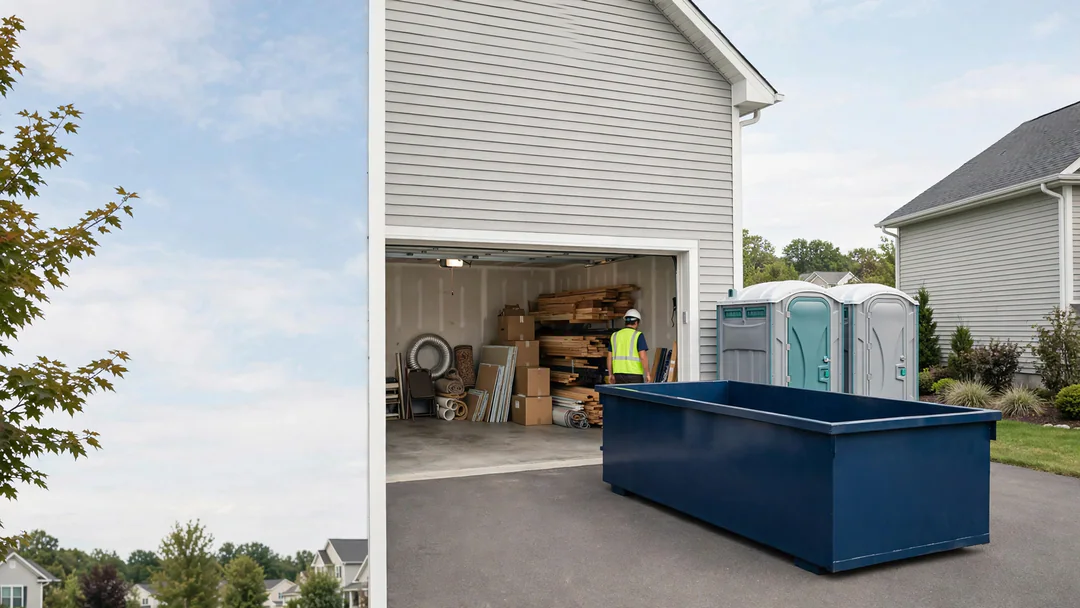
Moving trucks need room to park close to the door. Place the dumpster where it will not block the truck, the walkway, or the garage you will use for staging boxes. If you live in a townhome, condo, or apartment, check with the building manager or HOA about where a container is allowed. Street placement often requires a permit; see the permits guide.
Moving into a new home
Some people rent a container after the move instead, to clear packing materials, leftover items from the previous owners, or debris from small projects before unpacking. If you plan both, ask whether a provider in our network serves both addresses, since service areas vary.
Moving FAQs
Is a dumpster better than junk removal for a move?
A dumpster suits people who want to load on their own schedule over several days. Junk removal suits people who want a crew to carry items out in one visit. See dumpster vs. junk removal for a comparison.
Can I put a mattress in the dumpster?
Some providers accept mattresses, sometimes with an extra fee, and some areas require mattresses to be recycled. Ask your provider before loading one.
What about old electronics?
Many states and cities restrict electronics from regular disposal. Look for a local e-waste recycling option and confirm with your provider.
Will the dumpster damage my driveway before I sell?
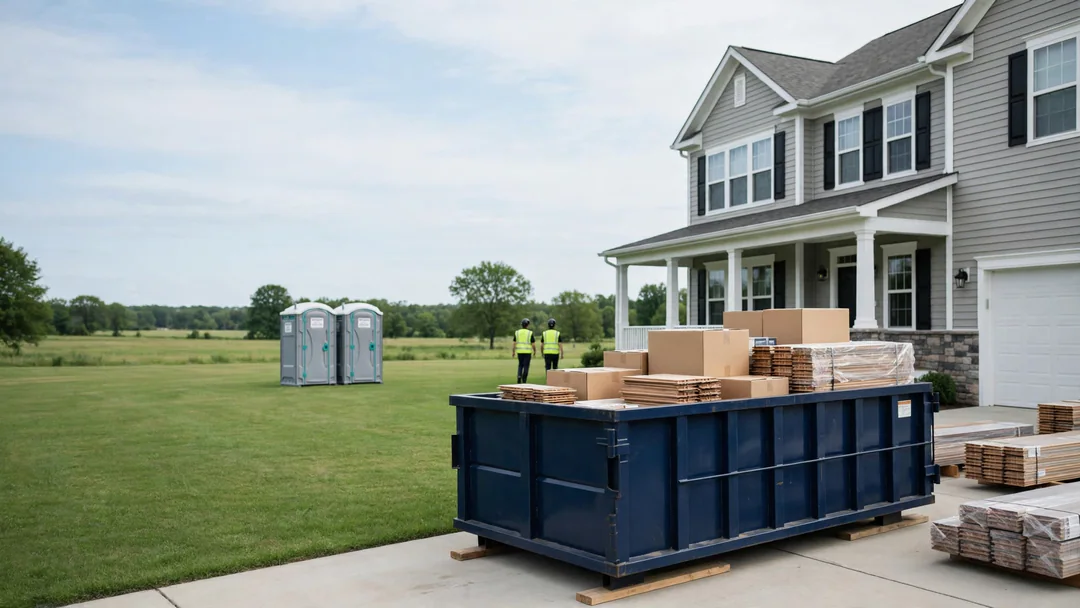
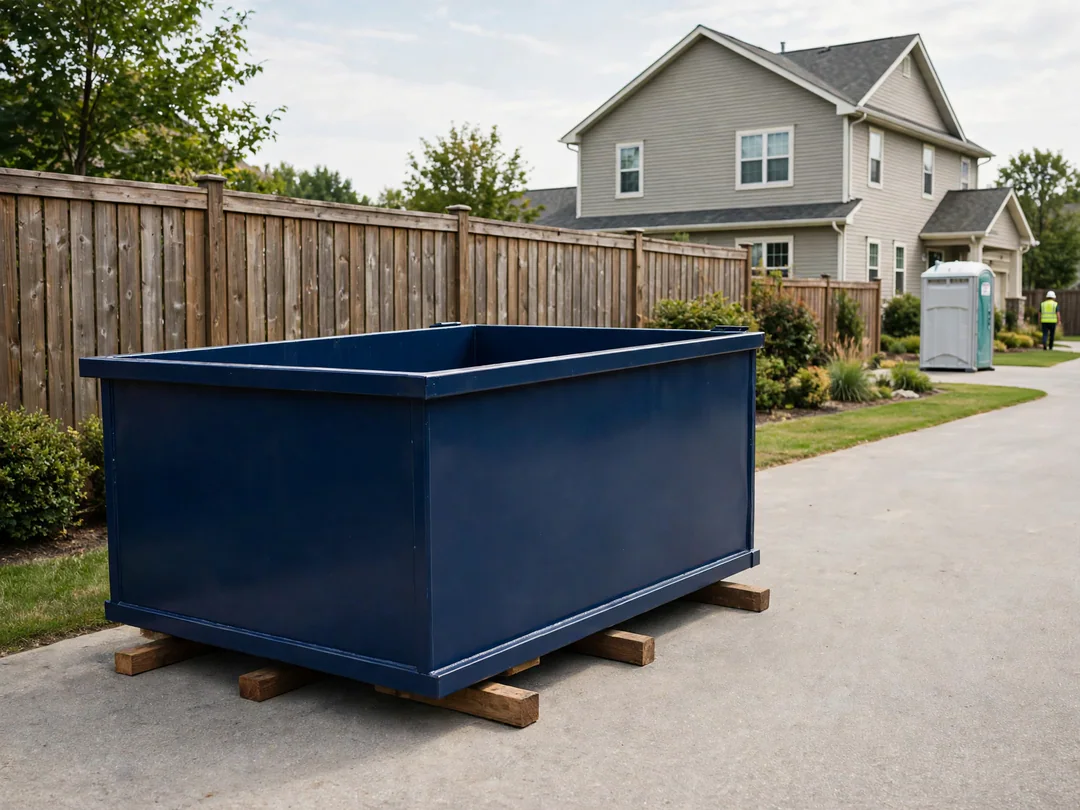
Placing boards under the rails, if your provider recommends it, can help reduce marks. Our driveway prep guide covers the basics.
Can I keep the container through closing day?
You can, but most sellers schedule pickup a few days before so the property looks clean at the final walkthrough.
Related pages
Ready to book a dumpster?
Share your ZIP code and project details. We will route it to an available provider near you.