
Dumpster Use Cases
Dumpster Rental for Foreclosure and REO Cleanouts
Trash-outs run on tight timelines and strict documentation. The container plan should support both.
One quick call to a real person. You approve the price before anything ships.
- All 50 states + DC
- Price confirmed before delivery
- Pricing explained up front
- 10–40 ydRoll-off sizes
- 50 + DCStates served
- 7–14 daysTypical rental period
- Same-dayDelivery when available
How do dumpsters fit into a foreclosure trash-out?
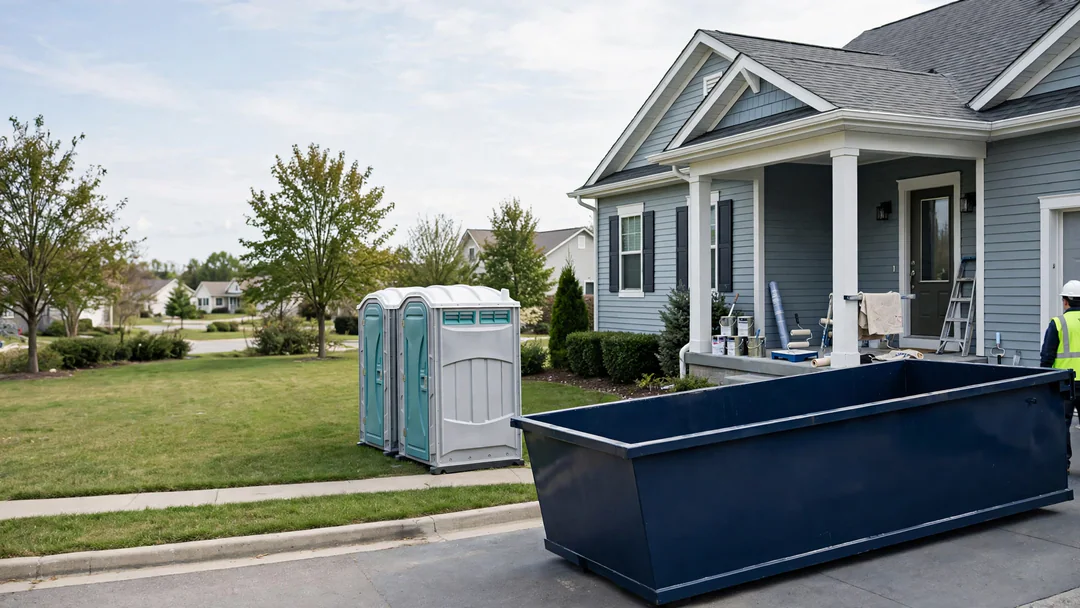
Property preservation crews load debris and abandoned items into a roll-off after the property is secured and any required personal-property notices have run. The container is usually delivered just before the crew arrives and picked up as soon as the trash-out is done. Photo documentation, access details, and disposal rules should be confirmed with the asset manager and the local provider.
Foreclosure Cleanout: dumpster sizes at a glance
| Size | Typical dimensions | Holds about |
|---|---|---|
| 10-yard | ~12 ft L × 8 ft W × 3.5 ft H | 3–4 pickup-truck loads |
| 15-yard | ~16 ft L × 8 ft W × 4 ft H | 4–6 pickup-truck loads |
| 20-yard | ~22 ft L × 8 ft W × 4.5 ft H | 6–8 pickup-truck loads |
| 30-yard | ~22 ft L × 8 ft W × 6 ft H | 9–12 pickup-truck loads |
| 40-yard | ~22 ft L × 8 ft W × 8 ft H | 12–16 pickup-truck loads |
- Weight: every quote includes a weight allowance; going over it adds a per-ton charge. See dumpster weight limits.
- Permits: a dumpster on your own driveway usually needs no permit; one on a street or sidewalk often does. See dumpster permits.
Who this page is for
This page is written for REO asset managers, property preservation vendors, field service companies, and investors who buy distressed properties. It focuses on scheduling, documentation, and access. If you are a homeowner clearing a home you live in, the home cleanout dumpster page is a better fit.
Before the trash-out starts
Abandoned personal property often has legal protections. Depending on the state and the type of foreclosure or eviction, notices may need to be posted and holding periods observed before items can be removed. Asset managers and servicers usually set these rules in their work orders. Confirm the property is cleared for trash-out before you schedule the container.
- Work order approval and scope from the asset manager or servicer
- Confirmation that required personal-property notices and waiting periods are complete
- Lockbox code or key access for the crew
- Utility status, especially if winterization or debris near the meter is involved
- Any HOA rules about containers and work hours
A typical trash-out workflow
Exact steps follow the client's guidelines, but most jobs look something like this.
- Before photos
Document every room, the exterior, and the planned container spot, following the client's photo requirements.
- Container delivery
Have the roll-off placed the morning of the job or the day before, in a spot that will not block the driveway apron or neighbors.
- Removal and sorting
Pull out debris and abandoned items. Set aside anything the client requires to be stored or reported, such as personal documents or photos.
- Special items
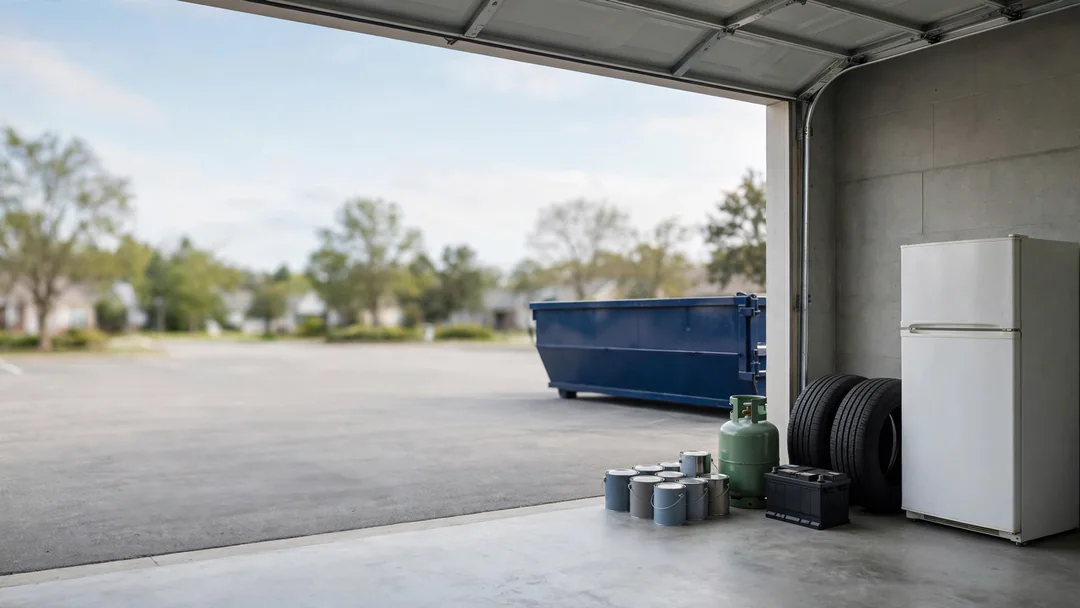
Separate tires, refrigerant appliances, paint, chemicals, and batteries for proper disposal. Many states ban some of these from landfills.
- After photos and pickup
Photograph the empty rooms and the container fill line, then request pickup.
Sizing for distressed properties
Volume varies widely. A lightly occupied home may need a 10- or 15-yard container. A hoarding situation or a property with years of yard debris may need a 30- or 40-yard, or more than one load. Clients often bill by cubic yard, so a clear before-and-after photo of the container can support the invoice. Compare options on the sizes page.
| Property condition | Size often considered |
|---|---|
| Mostly empty, light debris | 10-yard |
| Furniture and household items left behind | 15- to 20-yard |
| Full house plus garage or yard debris | 30-yard |
| Heavy accumulation or multiple outbuildings | 40-yard or multiple loads |
Access, security, and neighbors
Vacant properties attract illegal dumping, so plan to keep the container on site only as long as needed. Tarp it at the end of each day. Share the lockbox code with the provider only if the client allows it, and note whether anyone will be on site at delivery. Placing the container on a public street usually requires a permit; see our permits guide.
Working across many properties
Preservation vendors often manage dozens of active work orders. Keep a simple tracker with address, work order number, delivery date, pickup date, and container size. When you request quotes, share the full list of addresses so we can try to match each one with a provider in our network that serves that area.
Foreclosure Cleanout FAQs
Can I throw away everything left in the home?
Not always. Many states protect abandoned personal property for a period of time. Follow the servicer's instructions and local law before removal.
What if I find hazardous materials?
Keep them out of the container. Report them to the asset manager and arrange disposal through a household hazardous waste program or licensed handler.
Can the dumpster be delivered when no one is on site?
Many providers can drop a container at a vacant property if placement instructions are clear. Confirm with your provider and the client.
How quickly can the container be picked up?
Pickup timing depends on the provider's schedule in that area. Request pickup as soon as the load is complete and photos are taken.
Do you work with investors who flip homes?
Yes. Investors can request containers the same way. For renovation after the cleanout, see the home renovation page.
Related pages
Ready to book a dumpster?
Share your ZIP code and project details. We will route it to an available provider near you.