Porta Potty Use Cases
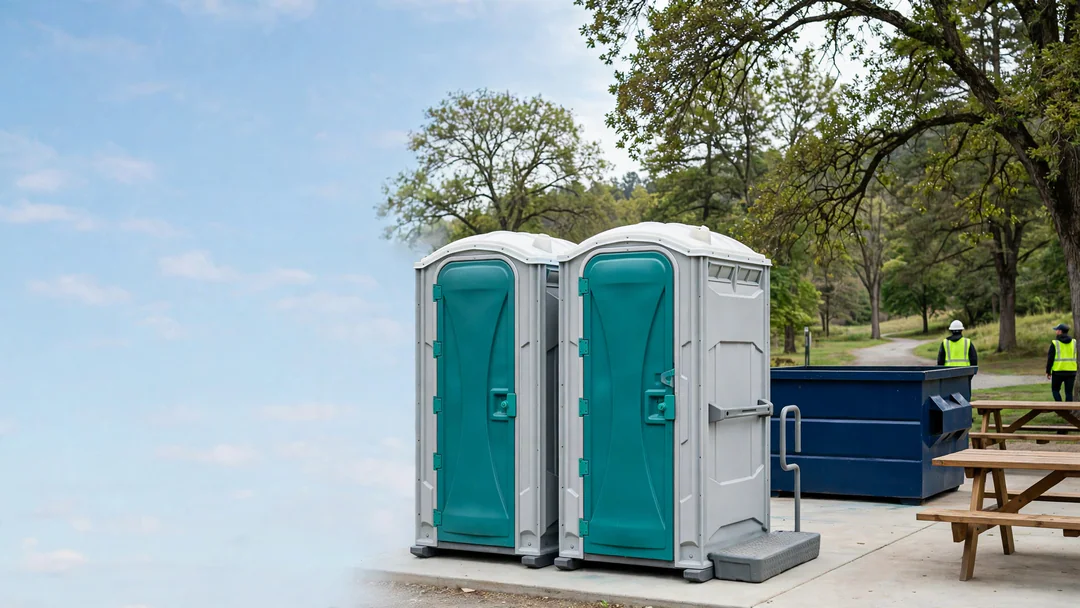
Portable Restrooms for Parks and Recreation
Parks need restrooms that hold up to heavy use, weather, and the occasional vandal, with service that keeps up through the season.
One quick call to a real person. You approve the price before anything ships.
- All 50 states + DC
- Price confirmed before delivery
- Pricing explained up front
- 50 + DCStates served
- ADAAccessible units available
- WeeklyTypical servicing for job sites
- 1 day+Event to long-term rentals
What should parks look for in portable restrooms?
Parks typically need seasonal rentals with regular servicing, accessible units on firm and level routes, and placement that supports both visibility and privacy. In high-risk spots, ask providers about anchoring and vandal-resistant options. Plan service frequency around weekend peaks and events, and confirm what units and terms are available from providers in your area.
Common park and recreation locations
Each location has its own usage pattern, which drives the number of units and how often they are serviced.
- Ball fields and sports complexes
- Trailheads and greenways
- Boat ramps, beaches, and fishing access points
- Playgrounds and picnic areas
- Dog parks and community gardens
- Seasonal sites like pools and skating areas
Seasonal rental planning
Many parks rent units for the warm season only, or add extra units for sports seasons and summer programs.
- Map the season
List opening and closing dates for each site, plus league and tournament schedules.
- Set unit counts per site
Base counts on typical weekend use, not quiet weekdays.
- Schedule servicing
Agree on a regular service day and add service before big weekends.
- Plan removal or winterizing
Pick up units at season end, or discuss cold-weather options for sites that stay open.
Vandal resistance and security
Remote or unlit sites see more misuse. Options vary by provider, so ask what they offer.
| Approach | What it does |
|---|---|
| Anchoring or staking | Helps keep units from being tipped or moved |
| Placement in view | Units near parking or roads are less likely to be damaged |
| Lighting | Improves safety and discourages misuse at night |
| Enclosures or screening | Some parks build simple surrounds that also improve appearance |
| Prompt reporting | A clear contact for damage reports gets units repaired or replaced faster |
Accessibility in public parks
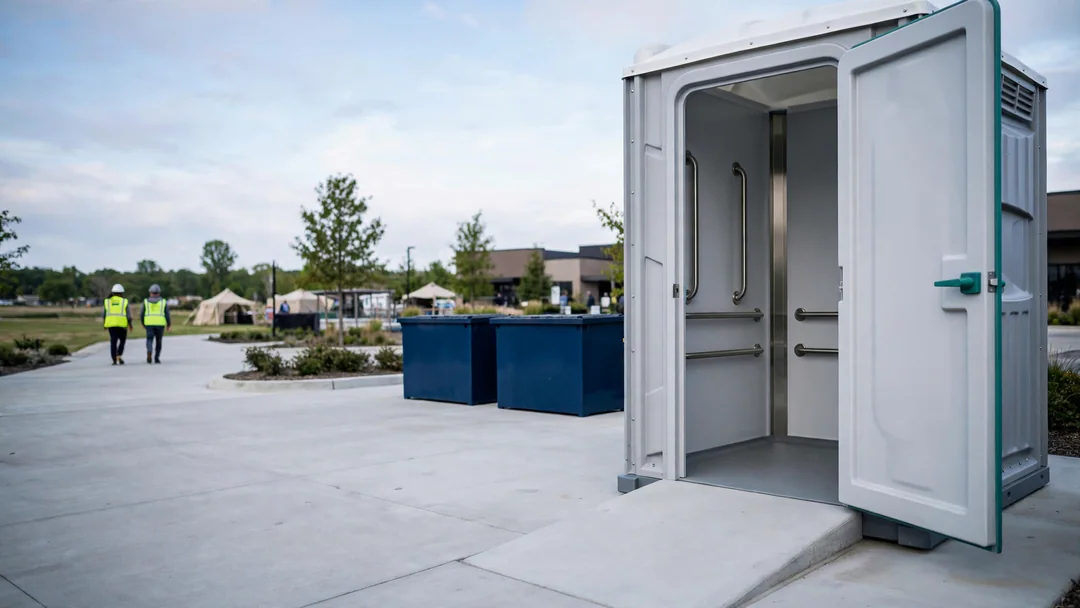
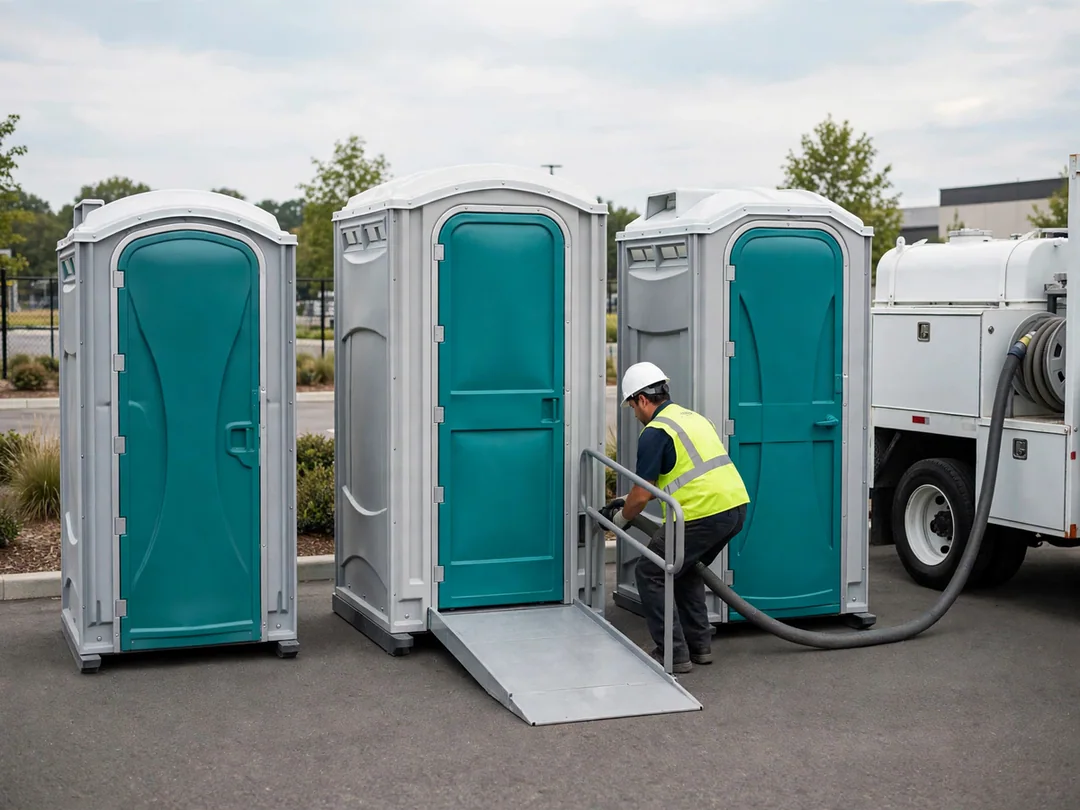
Public parks generally need accessible restroom options. Under the 2010 ADA Standards, accessible facilities must be reachable by an accessible route, so place units on firm, level surfaces connected to paths. See ADA portable toilets and confirm requirements with your agency's ADA coordinator.
Servicing and cleanliness
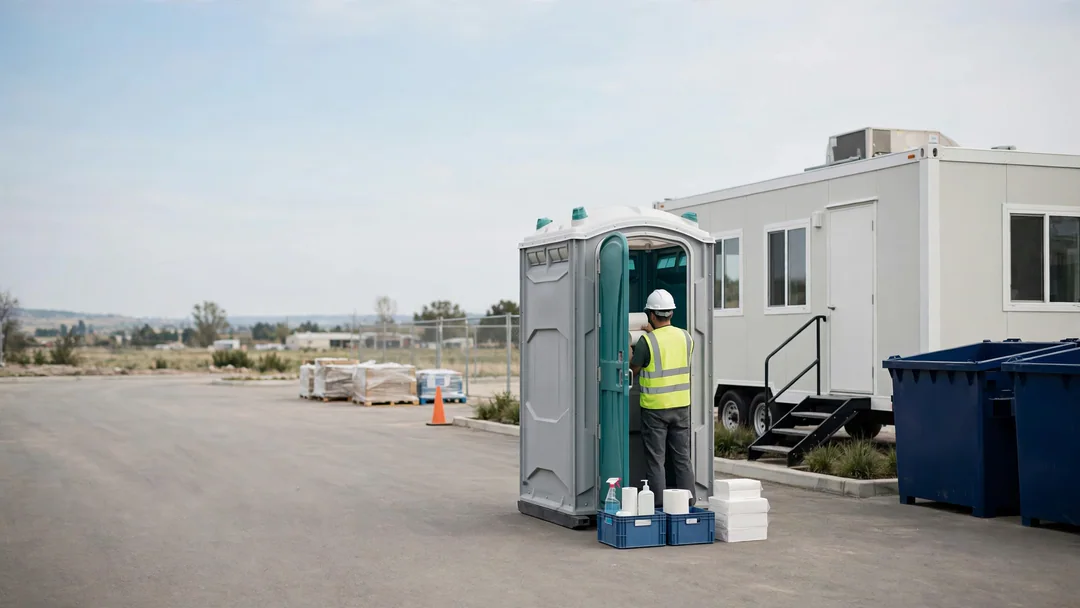
Service frequency depends on use. Busy ball fields may need more frequent service in peak season, while quiet trailheads may need less. Provide a contact sign on each unit for service problems if your agency allows it. Pair units with handwashing or sanitizer where practical. See portable toilet maintenance.
Budgeting and procurement
Park departments often use annual contracts or seasonal purchase orders. When requesting quotes, list each site, the season dates, unit types, and desired service frequency, so providers in our network can respond consistently. For public events in parks, see municipal events.
Placement that balances visibility and privacy
Good placement reduces both complaints and damage. Units should be visible from parking areas or main paths so users can find them and so misuse is less likely, but doors should face away from playgrounds, picnic tables, and fields where possible. Keep units upwind of gathering areas, on level ground, and within reach of the service truck. At beaches and boat ramps, stay clear of high-water lines and flood-prone spots. Review placement each season based on staff and visitor feedback.
Where a park already has permanent restrooms, portable units often fill gaps during renovations, peak weekends, or in far corners of large sites. Coordinating both types of facilities keeps maintenance crews from duplicating effort.
Parks & Recreation FAQs
Can units stay out all year?
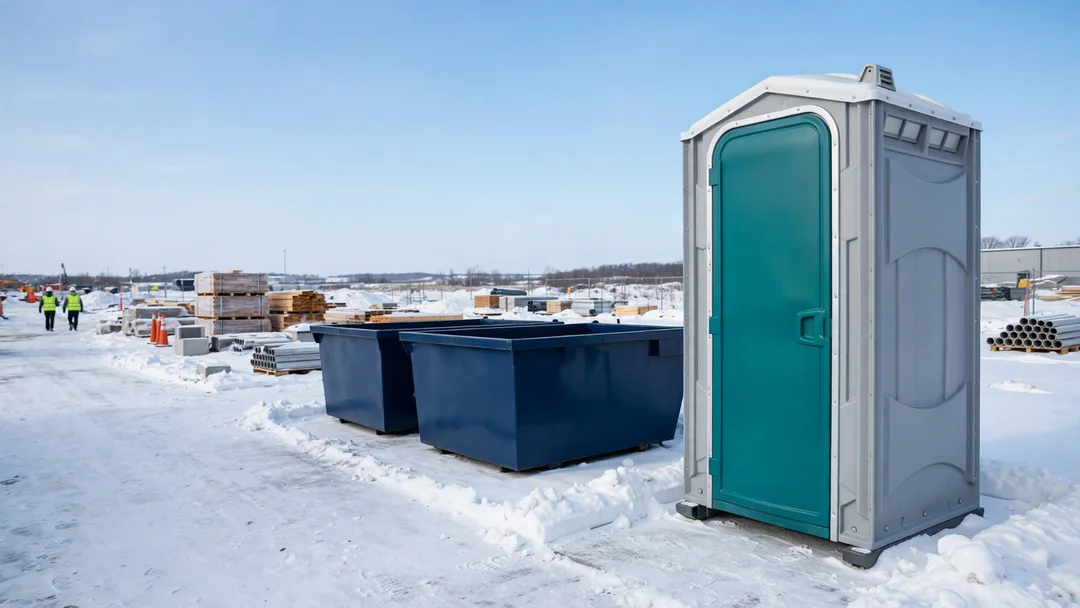
Some do, with cold-weather precautions. See winter portable toilet rental.
What if a unit is vandalized?
Contact the provider promptly. Terms for damage vary by provider and contract.
Do you serve multiple parks in one request?
Yes. List each site and we work to match them with providers in our network that serve that area.
Should we add units for tournaments?
Large tournaments often need extra units and service. Plan them with your provider ahead of time.
How do we decide between standard and ADA units at a small site?
Many agencies place an accessible unit at every site that has an accessible route, since a single standard unit may leave some visitors without a usable option. Your ADA coordinator can confirm what your agency requires.
Can service frequency change mid-season?
Usually yes. If a site gets busier or quieter than expected, ask your provider to adjust the schedule. Terms for changes vary by provider and contract, so review them when you set up the seasonal rental.
Related pages
Need portable toilets on site?
Share your ZIP code and project details. We will route it to an available provider near you.