
Guide Category
Local Regulations Guides
What typically applies, what varies, and who to ask before equipment arrives.
One quick call to a real person. You approve the price before anything ships.
- All 50 states + DC
- Price confirmed before delivery
- Pricing explained up front
What do the local regulations guides cover?
They explain when dumpsters and portable toilets typically need permits, how right-of-way and HOA rules work, and what OSHA requires for construction-site toilets. Rules vary widely by city and county, so each guide tells you what to confirm with your local authority.
What the local regulations guides cover
Regulations come from several layers: federal workplace rules such as OSHA sanitation standards, state disposal rules, city or county right-of-way permits, and private rules like HOA covenants or venue contracts. These guides describe what typically applies at each layer and point you to the right questions to ask.
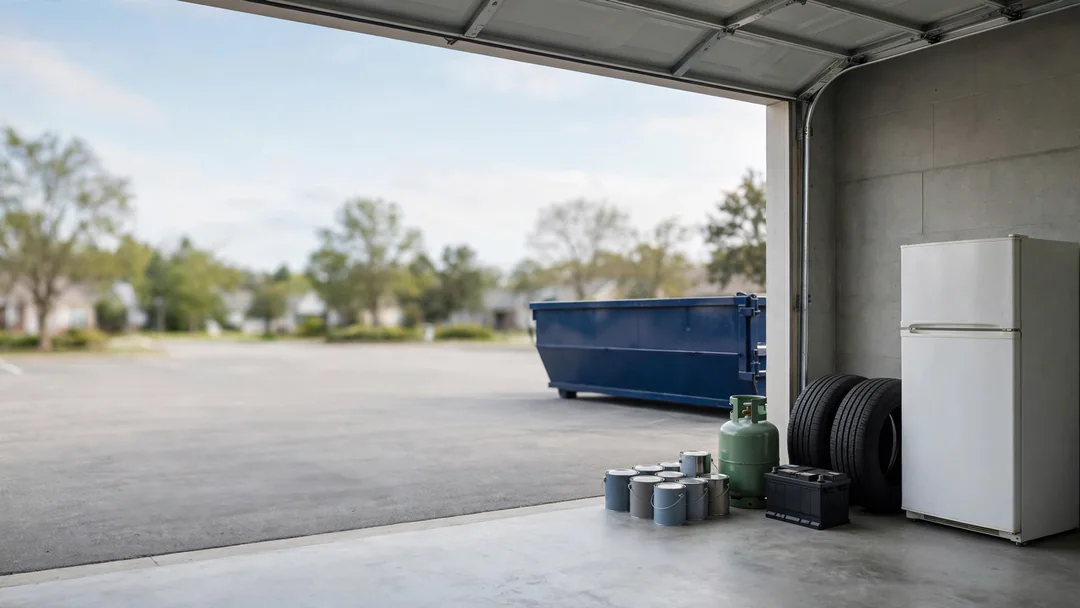
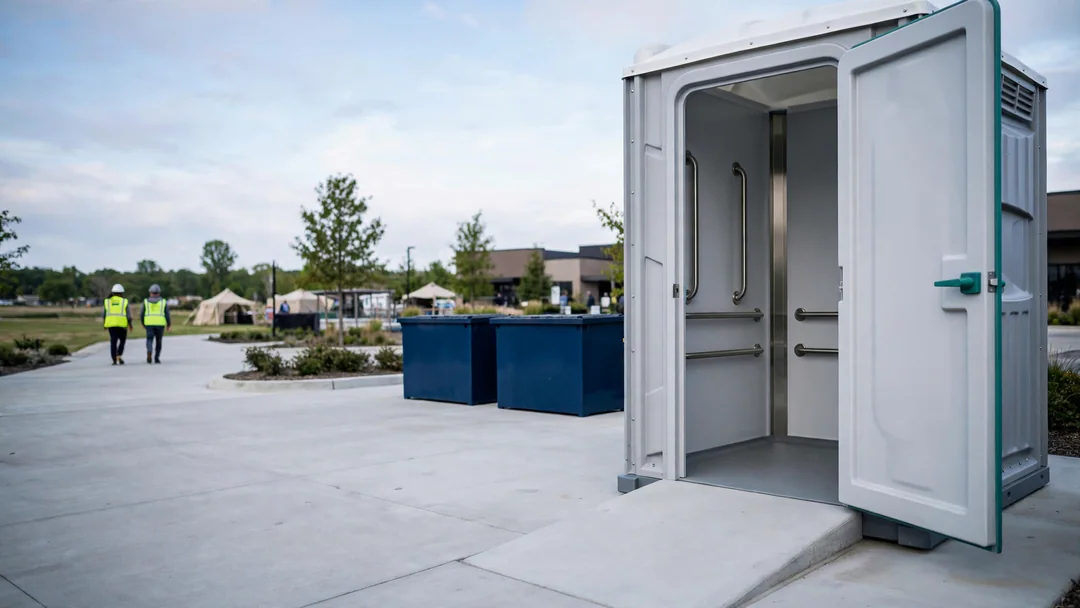
Disposal restrictions are covered on what you cannot put in a dumpster. For accessible units, see ADA portable toilets.
Local Regulations articles
Start with the article closest to your question. Each one ends with links to the matching service pages and to local coverage.
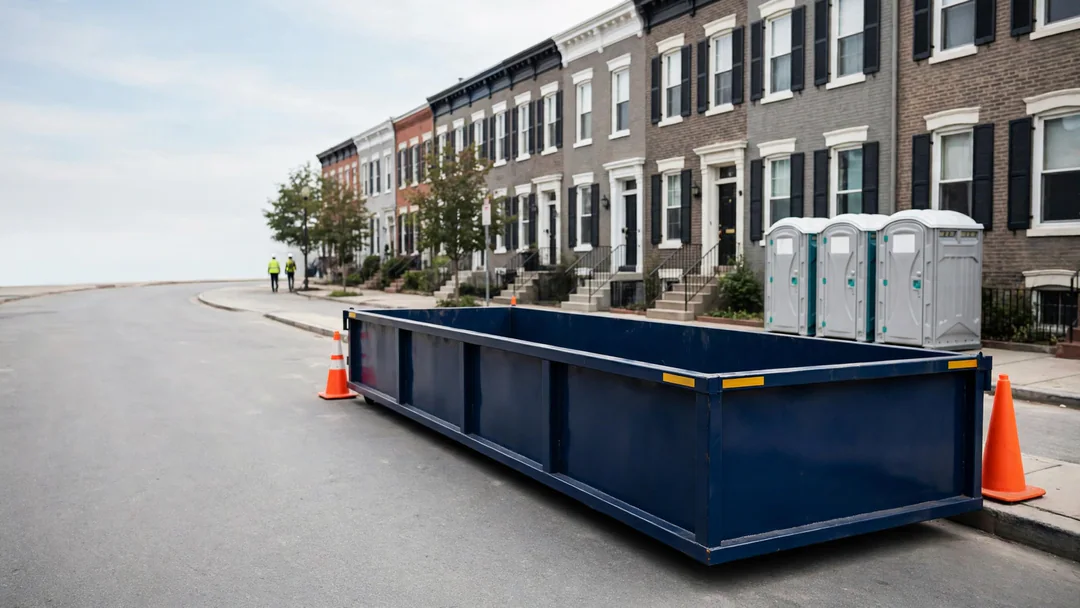
- Dumpster Permits: Permits depend on where the container sits. Private property often needs none; public streets and sidewalks usually do.
- Portable Toilet Permits: Most private, short-term placements need no special permit, but events, public property, and some jurisdictions add requirements.
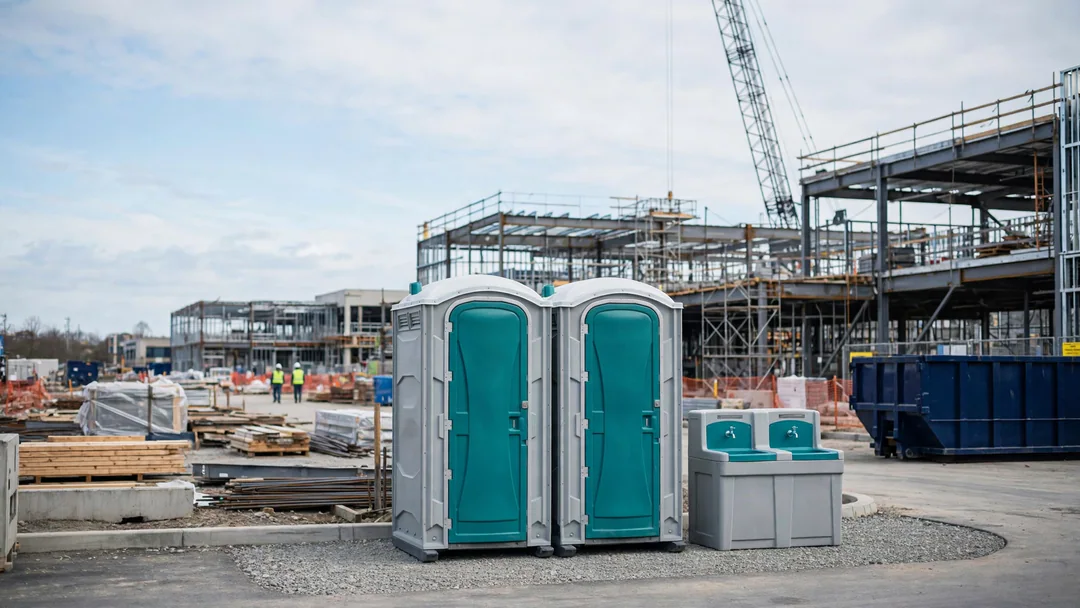
- OSHA Jobsite Toilet Requirements: Federal OSHA sets minimum toilet facilities for construction sites based on crew size. Here is what the standard says and how to plan for it.
Always confirm locally
Nothing here replaces your local permit office or legal advice. Your provider can often tell you what is customary in your area, but the permit holder is usually responsible for compliance. Check provider coverage on the locations page.
Which rules apply where
| Layer | What it usually covers | Who to ask |
|---|---|---|
| Federal workplace rules | OSHA 29 CFR 1926.51 sets minimum toilet counts on construction sites | The employer or general contractor |
| Accessibility | The 2010 ADA Standards cover accessible portable toilets provided to the public | Event organizer, venue, or permit office |
| State rules | Disposal restrictions on items like tires, batteries, and electronics; some sanitation rules | State environmental agency or your provider |
| City or county | Right-of-way permits for streets and sidewalks, placement time limits, reflectors or cones | City public works or permit office |
| Private rules | HOA covenants, deed restrictions, venue contracts, and property-manager policies | HOA, property manager, or venue |
When a dumpster usually needs a permit
A dumpster placed entirely on private property, such as your own driveway, usually does not need a city permit. A permit is commonly required when any part of the container sits on a public street, sidewalk, or alley. Permit conditions often include a time limit, reflective markers or cones, and keeping a minimum distance from hydrants and intersections. Allow time for the application: some cities issue permits the same day, others take several business days. See dumpster permits for the full walkthrough.
OSHA toilet requirements on construction sites
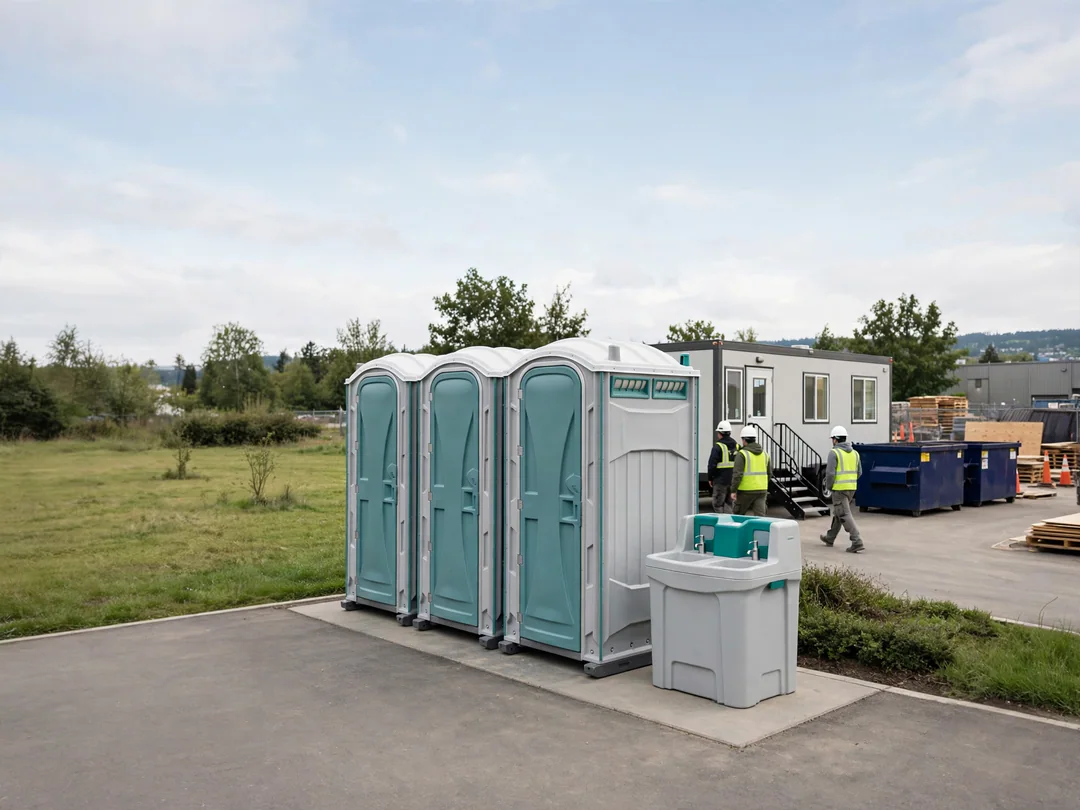
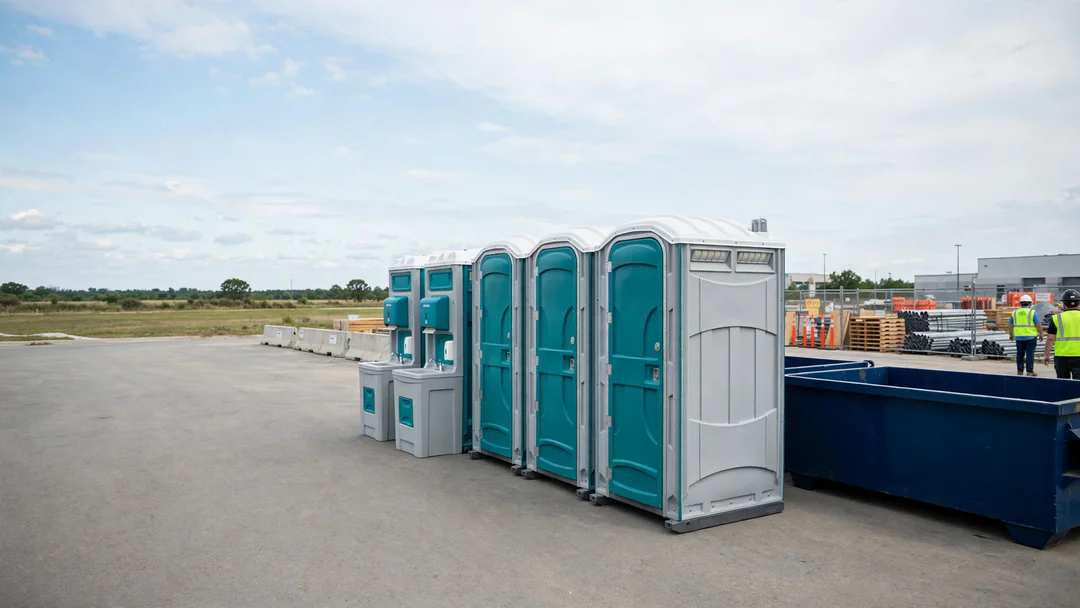
OSHA's construction sanitation standard (29 CFR 1926.51) sets the minimum number of toilet facilities based on crew size. This does not apply where crews have ready transportation to nearby toilets, as on some mobile crews.
| Number of employees | Minimum facilities |
|---|---|
| 20 or fewer | 1 toilet |
| 20 or more | 1 toilet seat and 1 urinal per 40 workers |
| 200 or more | 1 toilet seat and 1 urinal per 50 workers |
Questions to ask before delivery
- Will any part of the equipment sit on a public street, sidewalk, or alley?
- Does my HOA, property manager, or venue have placement or timing rules?
- How long can the equipment stay in place under the permit?
- Are any of my materials restricted from disposal in my state or county?
- For events and public sites: how many accessible units are needed, and where should they go?
- Who is the permit holder, and who keeps the paperwork on site?
Local Regulations
Local Regulations Guides FAQs
Does my provider get the permit for me?
Practices vary. Some providers handle street permits or include them in the quote, while others expect the customer to apply. Ask before you book, and keep a copy of the permit on site.
Can my HOA stop me from placing a dumpster?
An HOA can set rules about placement, duration, and appearance under its covenants, even when no city permit is required. Check the rules before delivery to avoid fines or a forced early removal.
How many porta potties does OSHA require?
For 20 or fewer workers, at least one toilet. For 20 or more, one toilet seat and one urinal per 40 workers; for 200 or more, one toilet seat and one urinal per 50 workers (29 CFR 1926.51). Servicing must keep units sanitary.
Are portable toilets at public events required to be accessible?
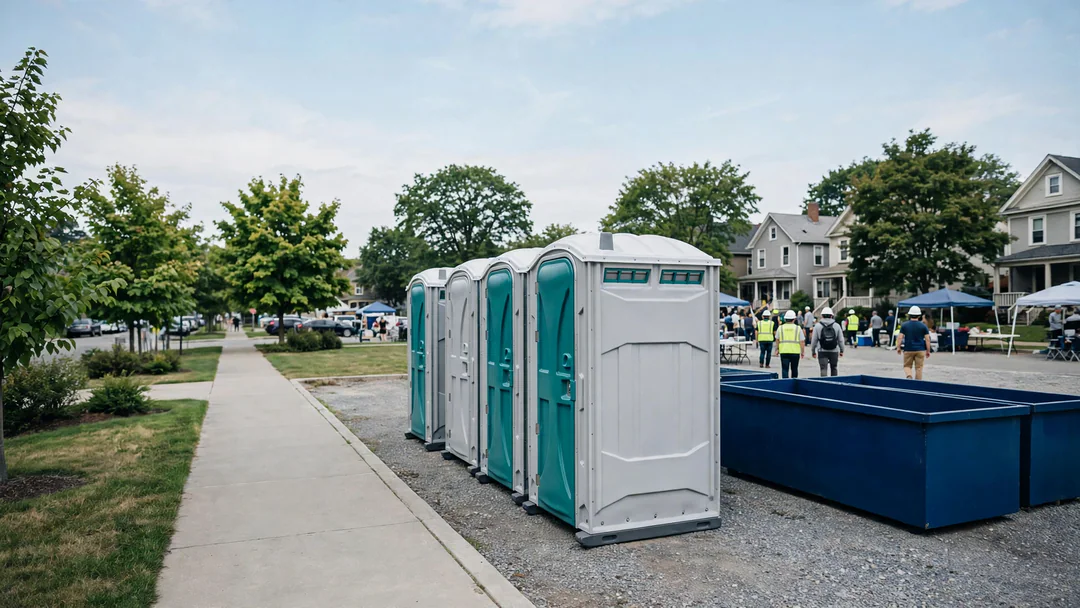
Generally yes. Under the 2010 ADA Standards, where single-user portable toilets are clustered, at least 5 percent and no fewer than one are typically required to be accessible. Local rules can require more.
Related pages
Ready to book a dumpster?
Whatever the project, start with your ZIP code. We will check provider availability for your dates.